
Last updated November 15, 2026
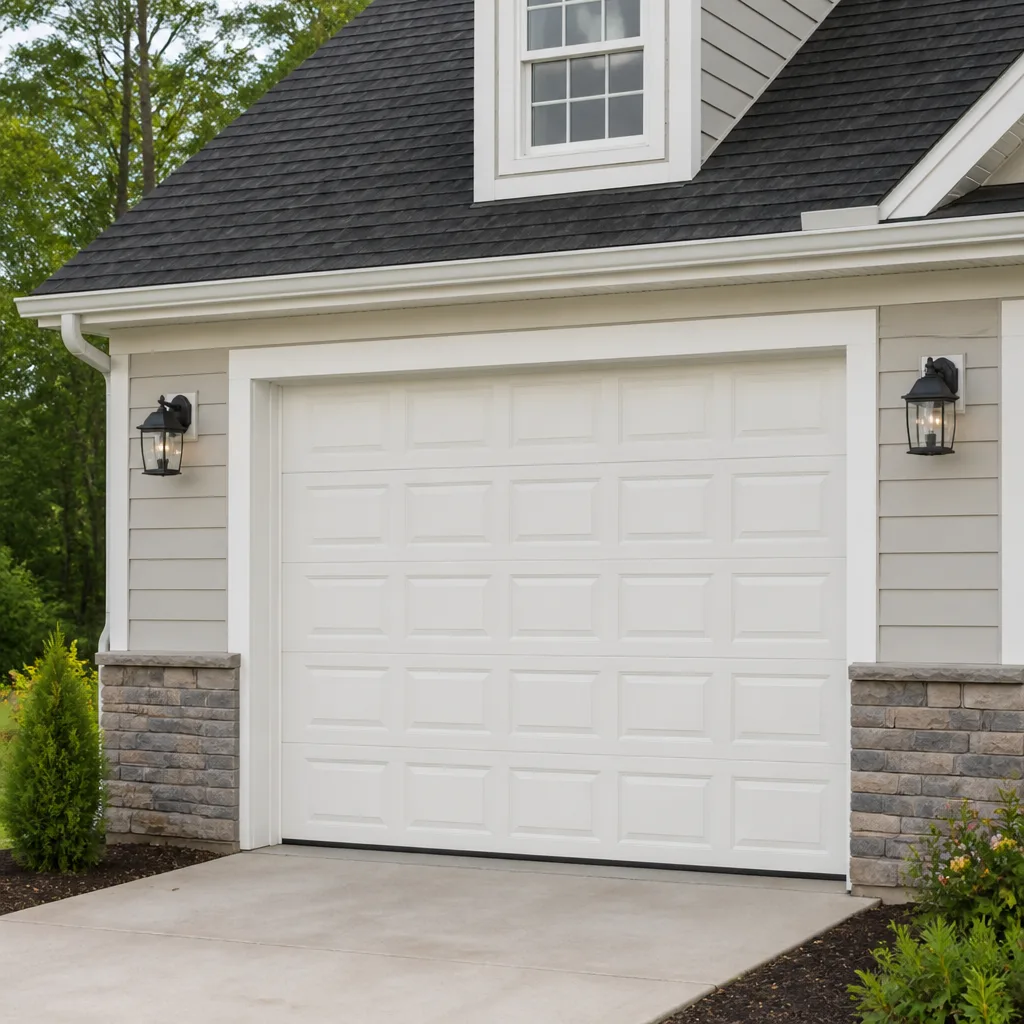 Raised-panel steel
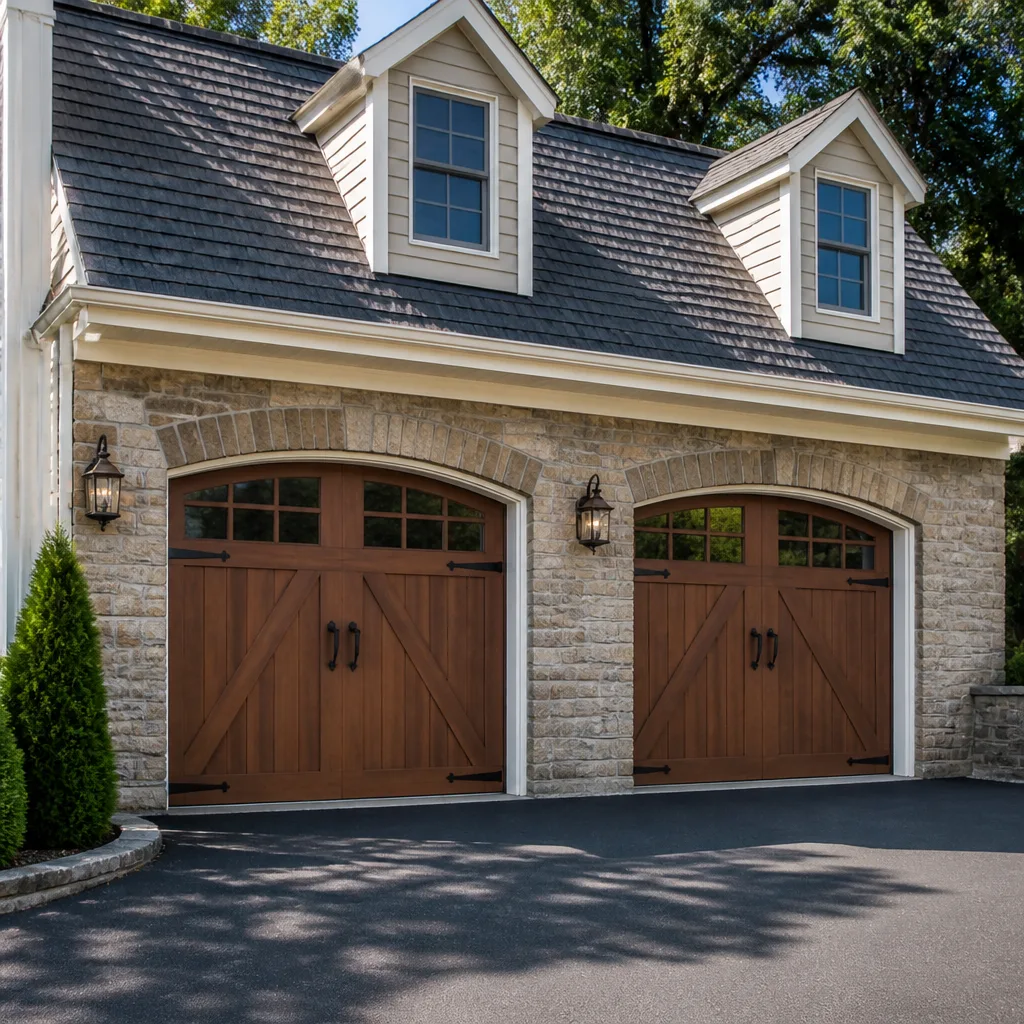 Carriage house
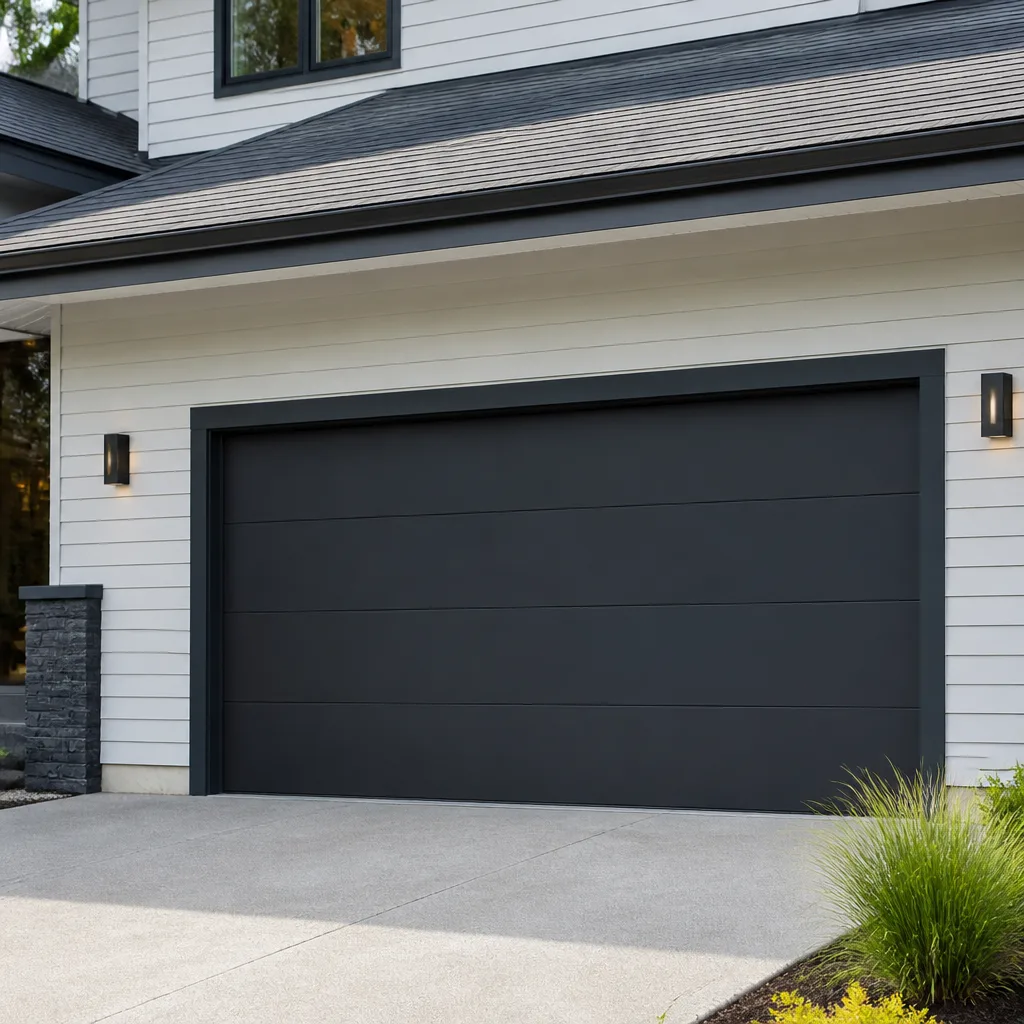 Modern flush
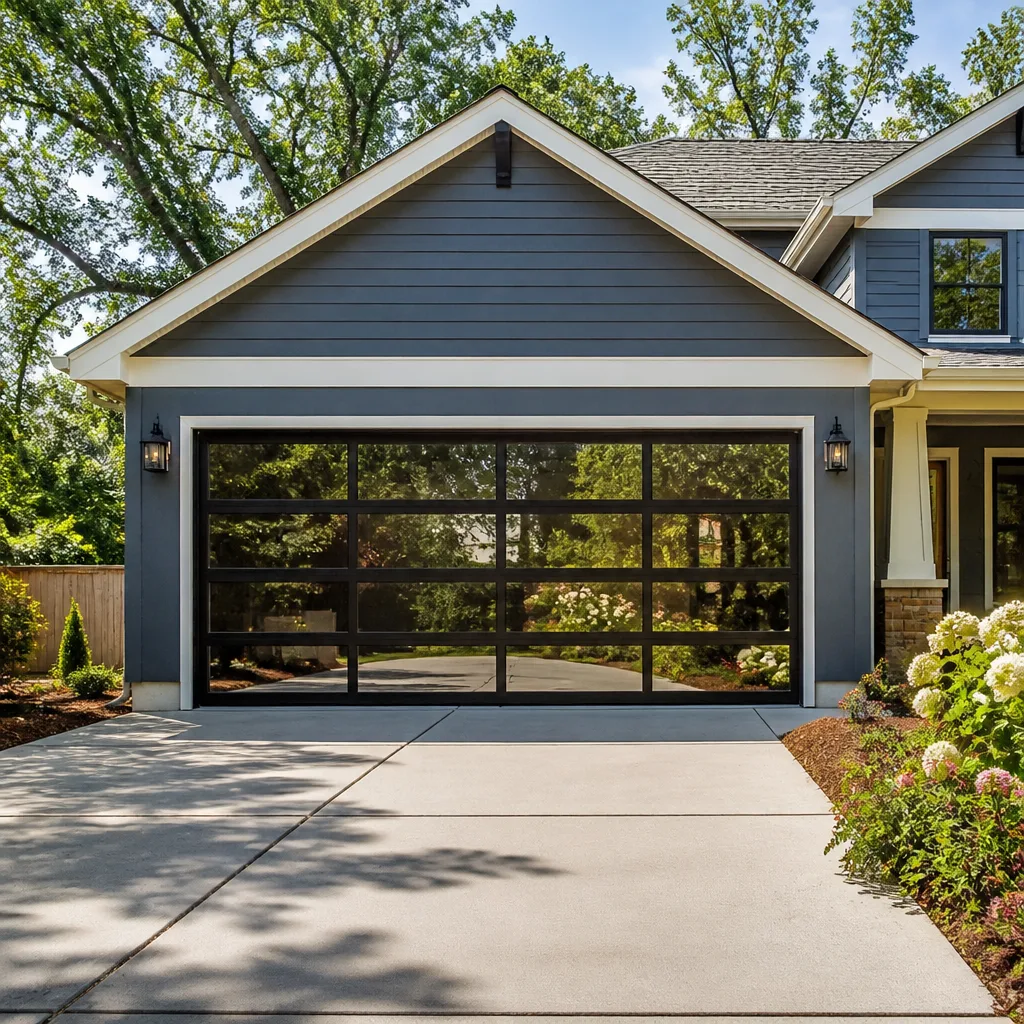 Full-view glass
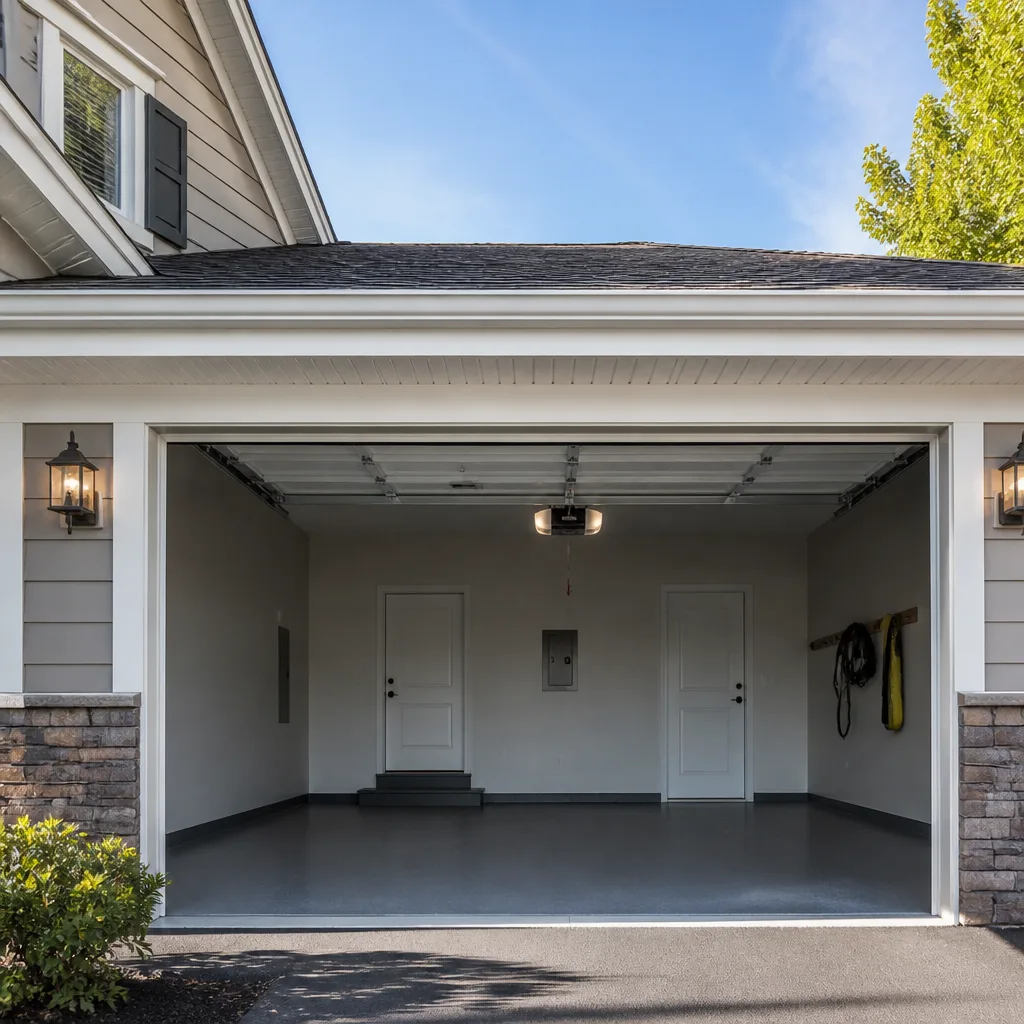 LiftMaster openers
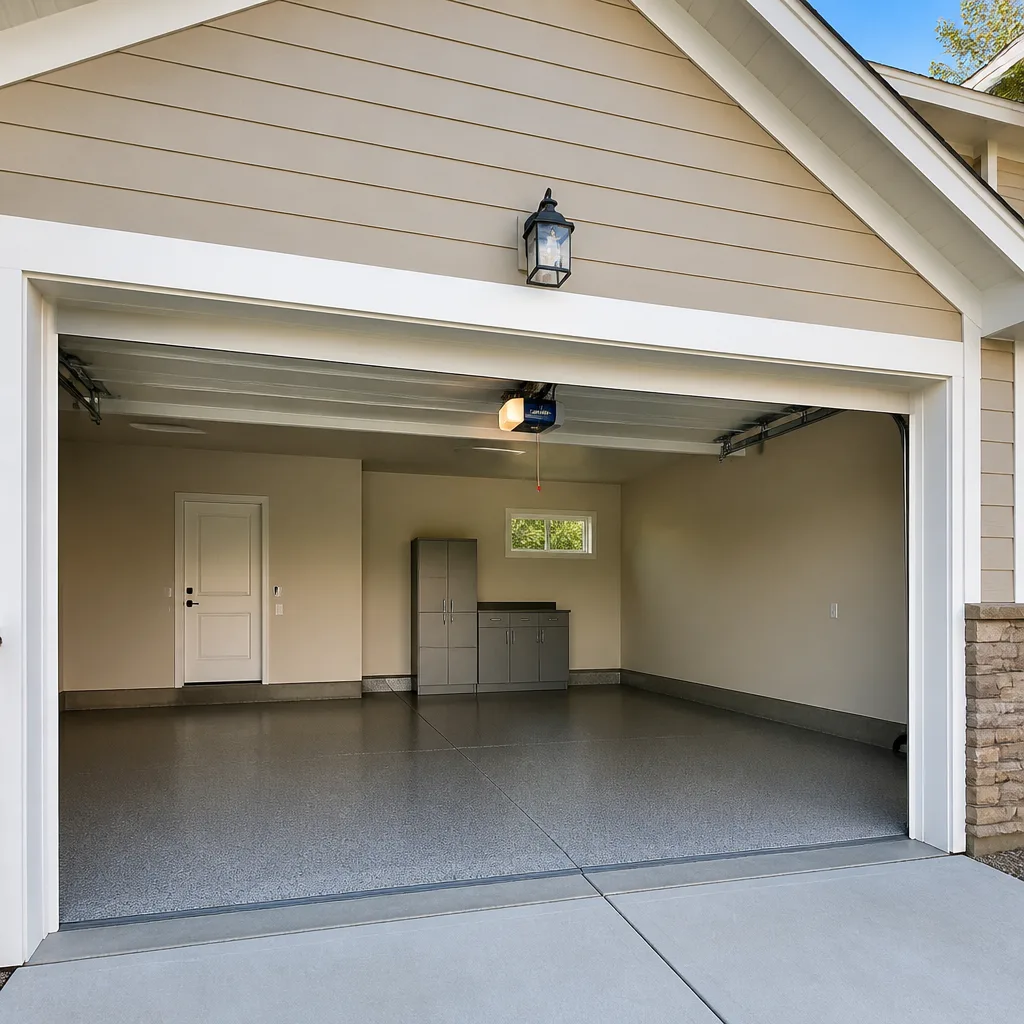 Chamberlain openers
Full 25-point door and opener safety check with every visit - springs, cables, rollers, tracks, and your LiftMaster or Chamberlain opener included
You get a price before we start. It does not change when the pro arrives.
Get your free estimateChoosing the Right Garage Door Brand: A Buyer’s Guide for Wichita Falls
The brand with the biggest national ad budget is not necessarily the brand whose parts you can get in Wichita Falls on a Tuesday. That’s the uncomfortable truth most garage door brand guides skip. Those guides usually push whatever the author gets paid to recommend, or they rank brands by name recognition alone. Neither helps you when a torsion spring lets go in August and you’re waiting a week on a part that ships from three states away.
This guide takes a different angle. We look at how specific brands actually hold up in a hot, dry, high-wind environment, and what parts availability looks like in a mid-size Texas market. You’ll learn how steel gauge, paint finish, insulation, and opener heat tolerance shape long-term performance, how to match a door to its opener, and which questions to ask before you commit. Wichita Falls homeowners deserve a recommendation grounded in how the equipment performs here, not in a marketing deck.
Quick Answer
There’s no single “best” garage door brand in Wichita Falls, because the right choice depends on your door type, your opener, and how fast you need a part when something fails. For most homeowners, the practical winners are brands with solid steel construction, a durable factory finish, and regional parts distribution that keeps repairs quick and affordable. Clopay, Amarr, Wayne Dalton, and Raynor make dependable residential doors, and LiftMaster, Chamberlain, Genie, and Craftsman cover the openers that are actually installed in most homes here. Matching a properly built door to a correctly sized opener matters more than the logo on the box.
Styles & brands we work with
- Raised-panel steel
- Carriage house
- Modern flush
- Full-view glass
- LiftMaster openers
- Chamberlain openers
Table of Contents
- Why Brand Choice Matters More Than You Think
- Steel Gauge and Paint Finish in Wichita Falls’ UV and Heat
- Parts Availability: The Real Test in a Mid-Size Texas Market
- Insulation R-Value: What Actually Matters for an Attached Garage
- Opener Brands and Heat Tolerance When the Garage Hits 110°F
- Matching Door Weight to the Opener
- A Step-by-Step Way to Choose a Brand
- Common Mistakes to Avoid
- When to Call a Professional
- Frequently Asked Questions
- The Bottom Line
Why Brand Choice Matters More Than You Think
The brand you pick sets the ceiling on how a door or opener behaves for the next decade or two. It decides which parts a technician can find, how quickly they arrive, and what the repair costs when it does. It also decides whether a routine fix is routine or a scavenger hunt.
Here’s what most shoppers get wrong. They treat brand as a label stamped on the front of a door, when the real difference sits in the parts behind the panels: hinges, rollers, brackets, springs, and the opener’s motor and logic board. Every one of those wears at a different rate, and every brand cycles through part revisions on its own schedule.
We work on the brand you already have, and we’ve watched how different brands age in this market. That’s why a brand guide written for Wichita Falls looks different from one written for a temperate coastal metro. Heat, sunlight, and wind-driven dust do the aging here, and they don’t distribute their wear evenly across brands.
A few practical reasons brand matters:
- Parts sourcing: Some brands circulate parts through regional distributors, so a replacement spring, roller, or logic board can be tracked down locally or within a few days. Others depend on factory-direct shipments that take far longer.
- Service familiarity: A brand that’s common in Wichita Falls means technicians have seen its failure patterns many times. Their diagnostic instincts are sharper as a result.
- Resale value: A well-kept branded door with known parts support is easier to sell alongside the house than a no-name door a buyer can’t service.
- Finish durability: Factory-applied finishes differ in how they resist UV fading and blistering, and that difference shows up over years.
None of this means you should chase the most expensive brand. It means you should pick on purpose, not by habit. When homeowners ask us which brand to buy, the honest answer starts with what kind of door they need and ends with what parts look like in this market.
Steel Gauge and Paint Finish in Wichita Falls’ UV and Heat
Steel gauge and paint finish are the two construction choices that most affect long-term performance in a hot, dry, high-wind climate. Gauge refers to steel thickness, and a lower gauge number means thicker steel. Standard residential doors often run around 24- to 27-gauge; heavier 24-gauge panels flex less, dent less easily, and hold up better to a Wichita Falls wind gust or a stray basketball.
Why does gauge matter so much here? Two reasons. First, a hot, dry environment expands and contracts metal with daily temperature swings, and thinner steel flexes more, causing panels to bow and seals to break contact. Second, when the wind blows hard, a lighter panel has less resistance to bending when it’s closed against a gust.
Paint finish is the other half of the story, and it’s where brand differences get visible. A factory-baked finish is applied at controlled temperature and bonds to the steel far better than any coat applied later. Brands that bake a thicker, more UV-resistant finish hold their color longer. Cheap finishes chalk and fade first on the sunny side of the door, which is a very common sight on older doors around town.
What to look for in construction:
- 27-gauge: Lightweight and common on lower-cost doors. Fine for a low-use door in a shaded recess, less ideal on a full-sun exposed wall.
- 25-gauge: The mid-weight sweet spot for most homes, with a good balance of rigidity and cost.
- 24-gauge: Heavier steel that resists denting and holds its shape better under wind and heat cycling.
- Baked-on finish: Favor it over a sprayed or field-applied coat. It withstands UV and cleaner far better.
- Panel bonding: Better brands bond insulation to the steel with a rigid panel that resists bowing; cheaper doors use a loose panel that can separate.
An important note on fading: lighter colors reflect more sun and hide UV fade far better than dark colors. If you want a dark bronze or charcoal door on a full-sun wall, expect the finish to work harder and age faster. That’s a color choice, not a brand flaw, but it pays to know it before you buy.
Parts Availability: The Real Test in a Mid-Size Texas Market
Parts availability is the single most practical test of a brand in a mid-size Texas market. It determines whether a broken torsion spring, cable, roller, or opener logic board can be replaced in days or whether the door sits out of service while a factory ships from out of state. In a market like Wichita Falls, that difference is the whole ballgame.
Think about how a repair actually goes when something fails. A technician diagnoses the part, then either pulls it from local stock or has to order it. The first path takes a single visit. The second path means a return trip and a car stuck in or out of the garage in between. Brands that circulate parts through regional distributors land on the first path far more often.
We’ve seen this divide up close. Craftsman and Chamberlain share engineering roots, so their parts are widely stocked, and a LiftMaster or Genie logic board is common enough that local distribution keeps it on hand. That can’t be said of every brand. Some rely on factory-direct chains where a single part can run days or longer, especially on older models.
How to judge parts support before you buy:
- Ask the installer how quickly a replacement spring, hinge, roller, and opener logic board can be sourced for the model you’re considering.
- Ask whether the brand has regional distribution that serves North Texas, or only factory-direct shipping.
- Check whether the specific model is a current production line or one about to be discontinued, which can leave parts harder to find down the road.
- Favor brands that share engineering with a big family, so common components interchange across models.
If your current system is failing right now, this is where an experienced team matters. Fast diagnosis, right fix is what keeps a single repair from turning into multiple visits, and a garage door specialist who knows the brand family can often tell you before the truck rolls whether a part is a local pickup or an order. When something’s broken, garage door repair is the first call, and the right brand knowledge is what makes it fast.
Insulation R-Value: What Actually Matters for an Attached Garage
Insulation R-value matters for an attached garage, but not the way the brochures imply, and it’s the most oversold spec in the garage door aisle. In a hot climate the main goal is keeping the summer heat out and the occupied rooms of the house from bleeding cool air into the garage. R-value helps with both, but past a point the returns shrink fast.
Here’s the honest reality check. An attached garage is a buffer between the house and the outside, so insulating the door reduces the heat that radiates through the shared wall into living space. That’s real and worth something, especially when the garage shares a wall with a bedroom or living room. But a garage door is not an envelope like a wall or an attic. It has gaps at the perimeter, a bottom seal, and a panel seam every few feet, and those leaks cap how much any R-value can do.
The two-part insulation question:
- Is the garage attached and conditioned on the other side? If so, a moderate R-value on the door pays off in comfort and energy.
- Is the garage detached or used mainly for storage? A basic insulated or non-insulated door is usually enough; the extra R-value isn’t buying you much.
What to weigh instead of chasing the highest R-value you can find:
- Panel bonding: Insulation rigidly bonded to the steel panel resists bowing and holds a tighter seal than loose fill.
- Bottom seal: A good perimeter seal and a well-fitted bottom gasket stop far more leakage than a few extra R points.
- Material efficiency: In a hot climate, keep the goal simple: block sun and reduce radiant heat into the room behind the door.
Where we see the marketing get ahead of the reality is the “sun-resistant, extreme R-value” pitch. It’s a strong product, but if your bottom seal is worn out, the perimeter doesn’t seal, and the door panel isn’t bonded, those extra R points may never reach you. Fix the door envelope first, then shop the number.
Opener Brands and Heat Tolerance When the Garage Hits 110°F
Opener heat tolerance is a genuine spec worth considering when a Wichita Falls garage can push past 110°F on a summer afternoon. The motor and its control board sit on the ceiling, working against that heat while lifting a door, which means the unit runs hotter than it would in cooler climates. A well-built opener with a duty rating matched to a heavy door holds up better; an undersized unit against a heavy door gets punished.
The heat math is simple. Every motor produces heat as it works, and a closed garage with the sun on the roof has little airflow to shed it. Add a hot motor and a door that’s heavier than the opener expects, and you’ve got the recipe for a unit that stalls, reverses, or resets its travel limits. The symptoms can look like a logic board problem when the real problem is the combination of load and heat.
What actually helps in this climate:
- Belt drive: Quieter and often cooler-running than chain drive, and a good fit for an attached garage near bedrooms.
- Proper horsepower rating: A standard single-car door runs fine on a standard opener; a heavy, insulated double-car door needs more lifting capacity, not less.
- Duty rating: A cycle rating sized to how often the door opens each day matters more than peak horsepower.
- A brand family with common boards and sensors: LiftMaster, Chamberlain, Genie, and Craftsman units are widely serviced, which keeps heat-related electronic fixes quick.
The four most common opener brands we work on are LiftMaster, Chamberlain, Genie, and Craftsman. They cover most of the market and they’re well understood, which means a heat-related or safety-sensor issue can usually be diagnosed on the first visit. If your opener has started reversing or ignoring its limits, garage door opener repair is where to start, and the brand matters less than how quickly a specialist can get the right board or sensor in hand.
Matching Door Weight to the Opener
Matching a door’s weight and construction to its opener is one of the most common mistakes homeowners make, and brand decisions made separately are a big reason it happens. A door and an opener are two systems that must be sized to each other. Pick each on its own and the two can end up mismatched. A heavier, insulated double-car door with a bonded panel may need more lifting capacity than a standard opener provides, and a light non-insulated single door on a big opener wastes capacity and can operate harshly.
This mismatch is more common than you’d think because the door and the opener are often bought at different times, from different brands, with no one checking the pairing. One homeowner buys a heavier door and reuses the old opener. Another buys a big opener and keeps a light single-car door. When a door and opener are mismatched, the motor runs harder, cycles more often, and can trip its limits or overheat, especially in a hot garage.
How to match them properly:
- Measure and record the door’s weight and size, not just its width and height. Consider whether it’s a standard residential door or heavy custom construction.
- Check the opener’s rated lifting capacity and duty cycle against that weight, and confirm the opener is listed for the door construction.
- Match the door type and construction to the opener’s adjustment range and lifting capacity.
- Confirm that the door’s springs balance the door so it lifts with little effort, which is what the opener really wants to see.
The single biggest factor in that last step is door balance, and it’s where a technician earns their keep. A door that’s properly balanced puts far less strain on the opener and its motor. When springs are off, the opener carries weight it was never meant to, and that’s the mismatch that often shows up as a failing opener. Here’s the safety point that matters: torsion springs and cables are high-tension components, and adjusting them is not a homeowner job. Only a trained professional should touch them, which is exactly why we recommend a specialist look over any door-and-opener pairing before it’s beaten up.
For anyone installing a door or an opener in Wichita Falls, garage door installation handled by a specialist, with the door and opener sized as a pair, prevents a lot of the friction that shows up later.
A Step-by-Step Way to Choose a Brand
After everything above, the choice usually comes down to a few factors: how the brand holds up here, whether parts are available when needed, and whether a service relationship exists. A brand-dependent check like this removes most of the guesswork.
- Decide the door type and construction first. Steel is the standard for residential doors in Texas, but choose the thickness and panel construction before you talk about brand. A good builder pairs the right steel gauge with the right panel, and the brand choice follows.
- Check parts availability in this market. Ask whether the brand’s parts, springs, rollers, and opener boards settle in Wichita Falls through regional distribution or need to be shipped in.
- Favor maturity and commonality. Brands whose parts are widely stocked (Clopay, Amarr, Wayne Dalton, and Raynor are common for doors; LiftMaster, Chamberlain, Genie, and Craftsman for openers) reduce repair friction down the road.
- Check the ambient target for the finish and the seal. A factory finish and a good perimeter seal make a bigger difference in this climate than any single spec.
- Balance the door and size the opener before you buy. Make sure the door weight, construction, and opener lifting capacity are matched by a technician who will check and service that pairing.
- Confirm service support for the brand once you’re installed. Ask how a technician would source a board or spring for the model, and whether bearings, hinges, and rollers are stocked.
That’s the whole decision process in practical terms. A brand that’s easy to service and well-matched to the environment out here beats a name you’ve seen advertised more. That doesn’t mean you should overthink cost either. Thinking about upgrade versus repair is a separate decision worth its own read; for the survey side, a free estimate is the usual next step.
See the difference
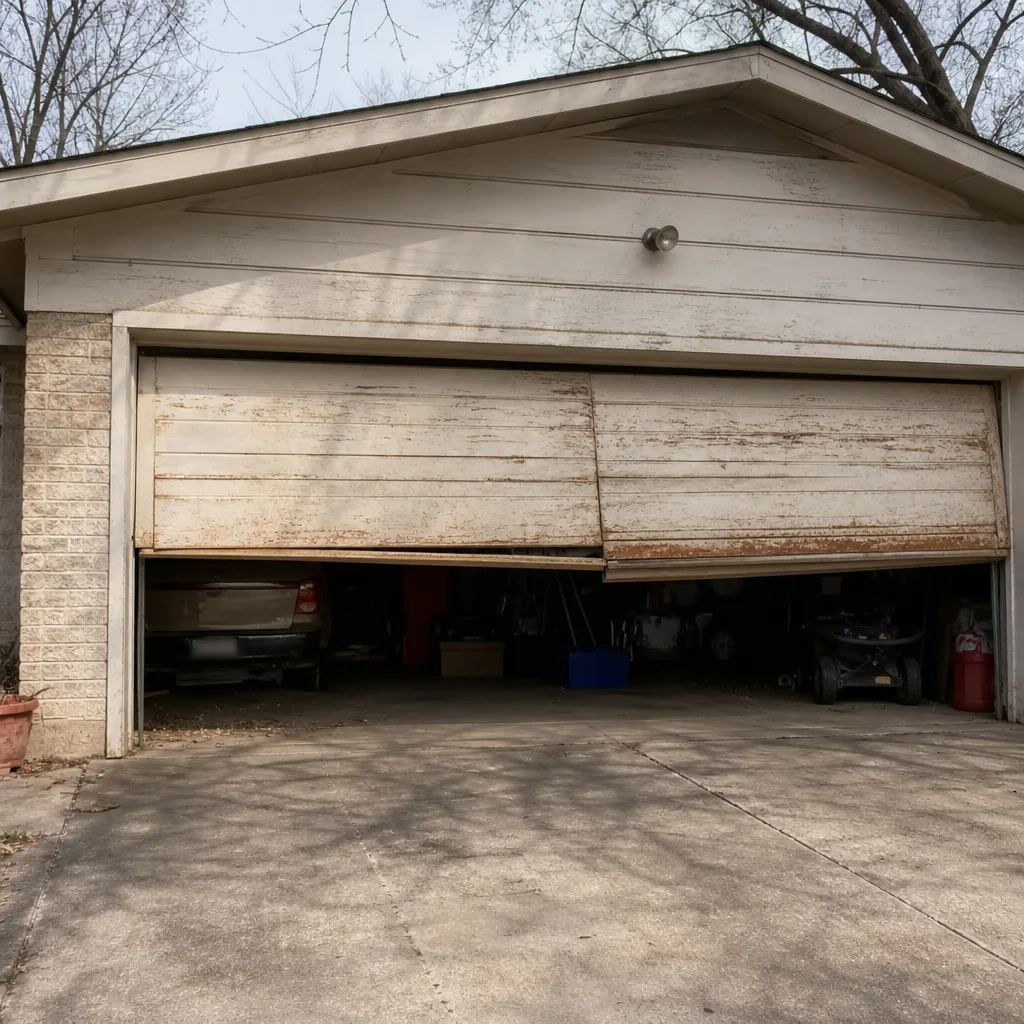 Before
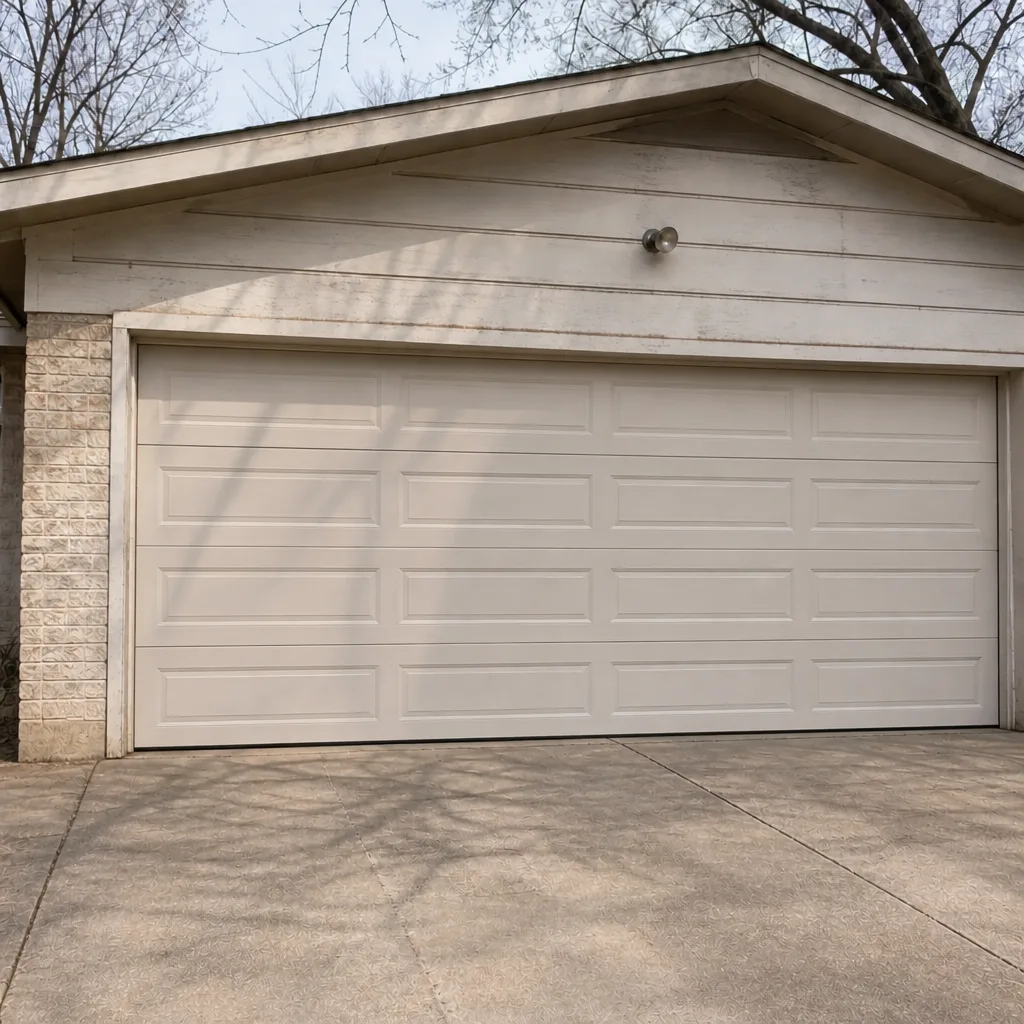 After
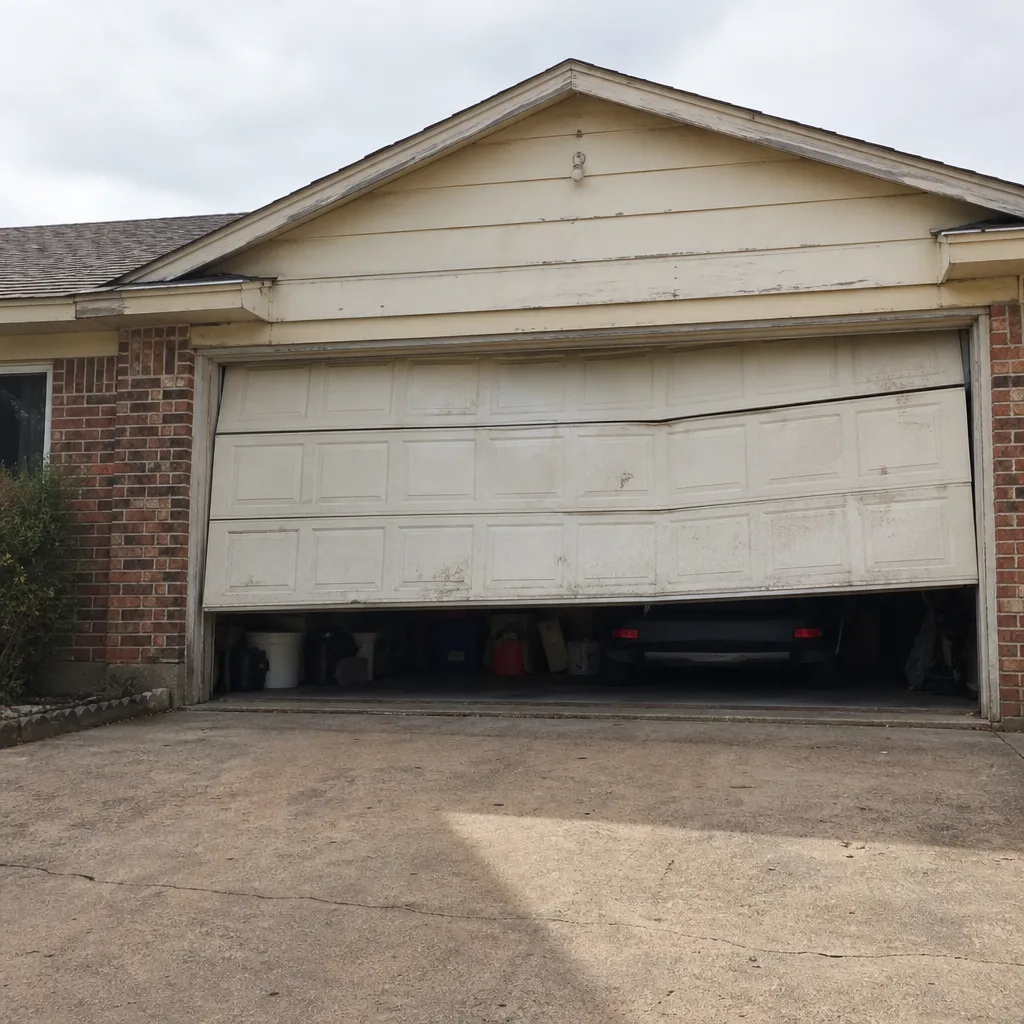 Before
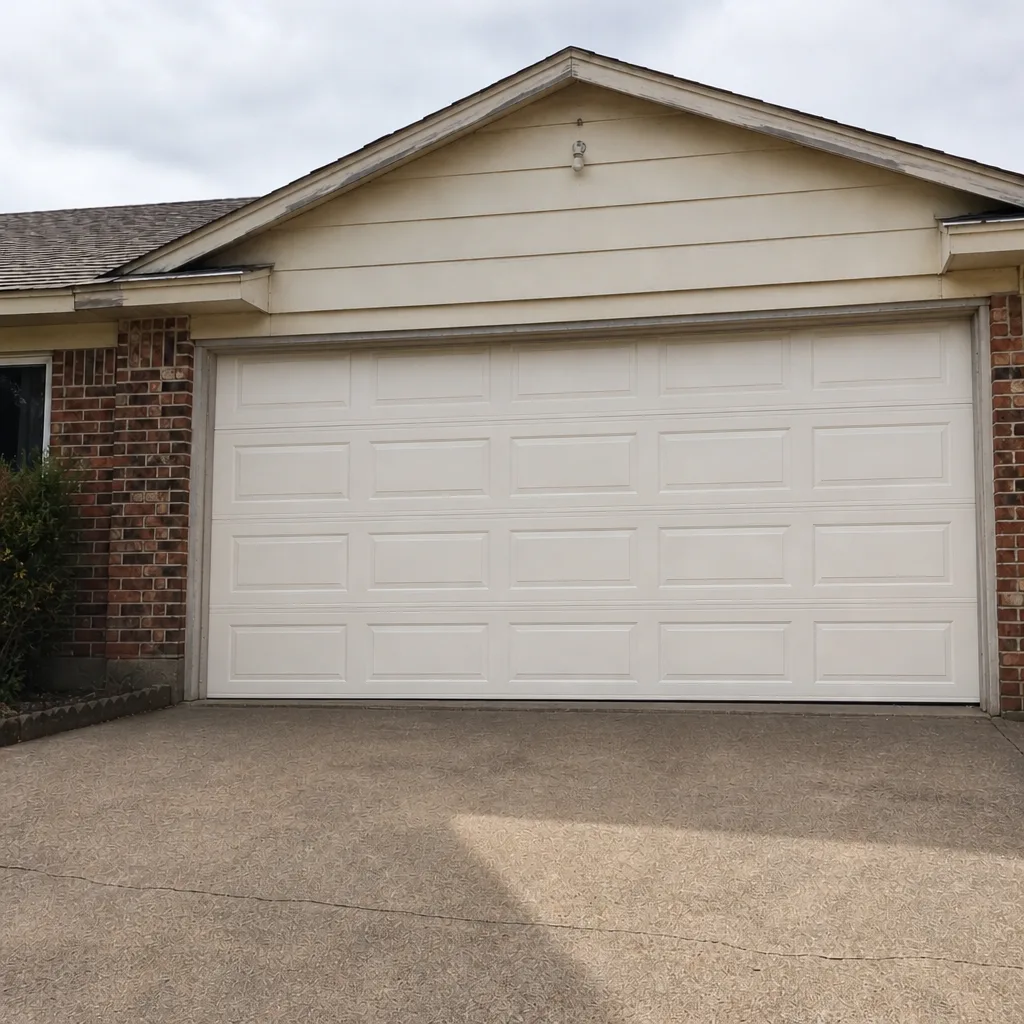 After
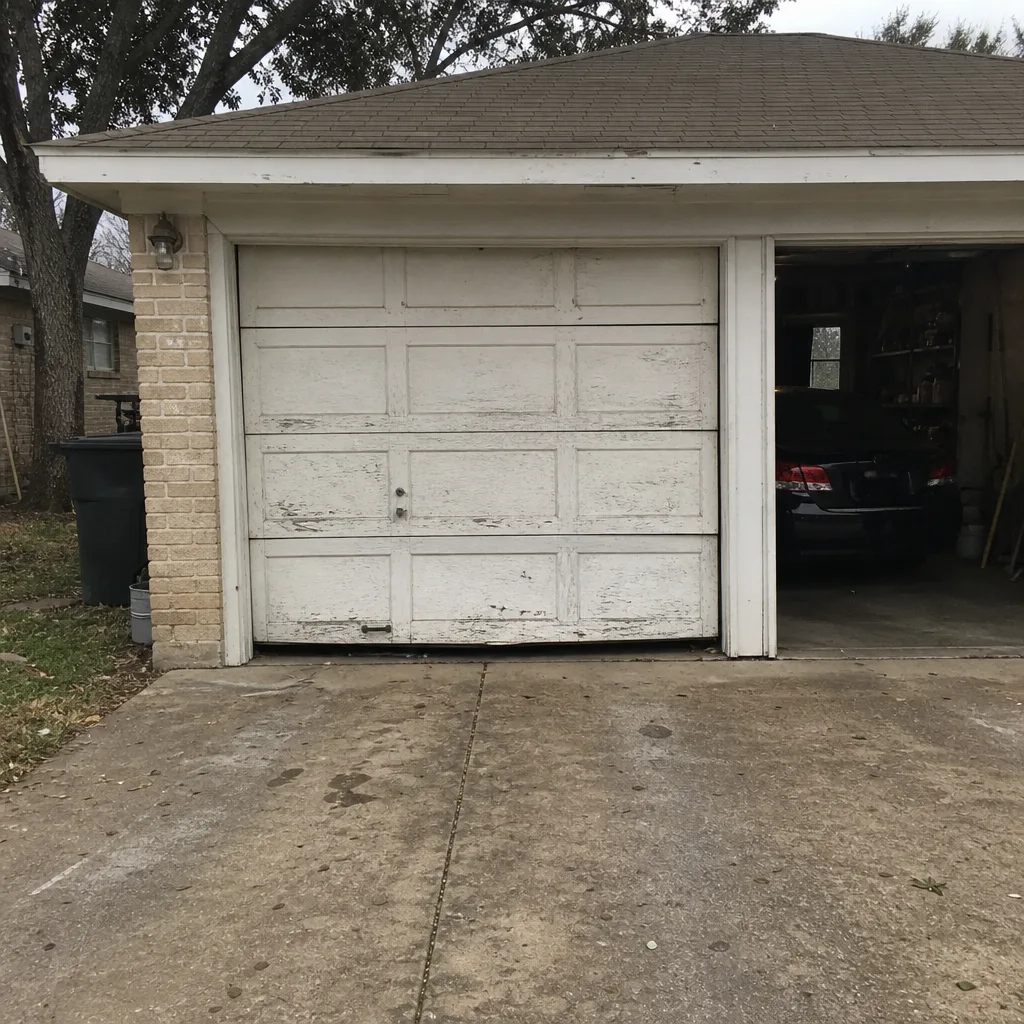 Before
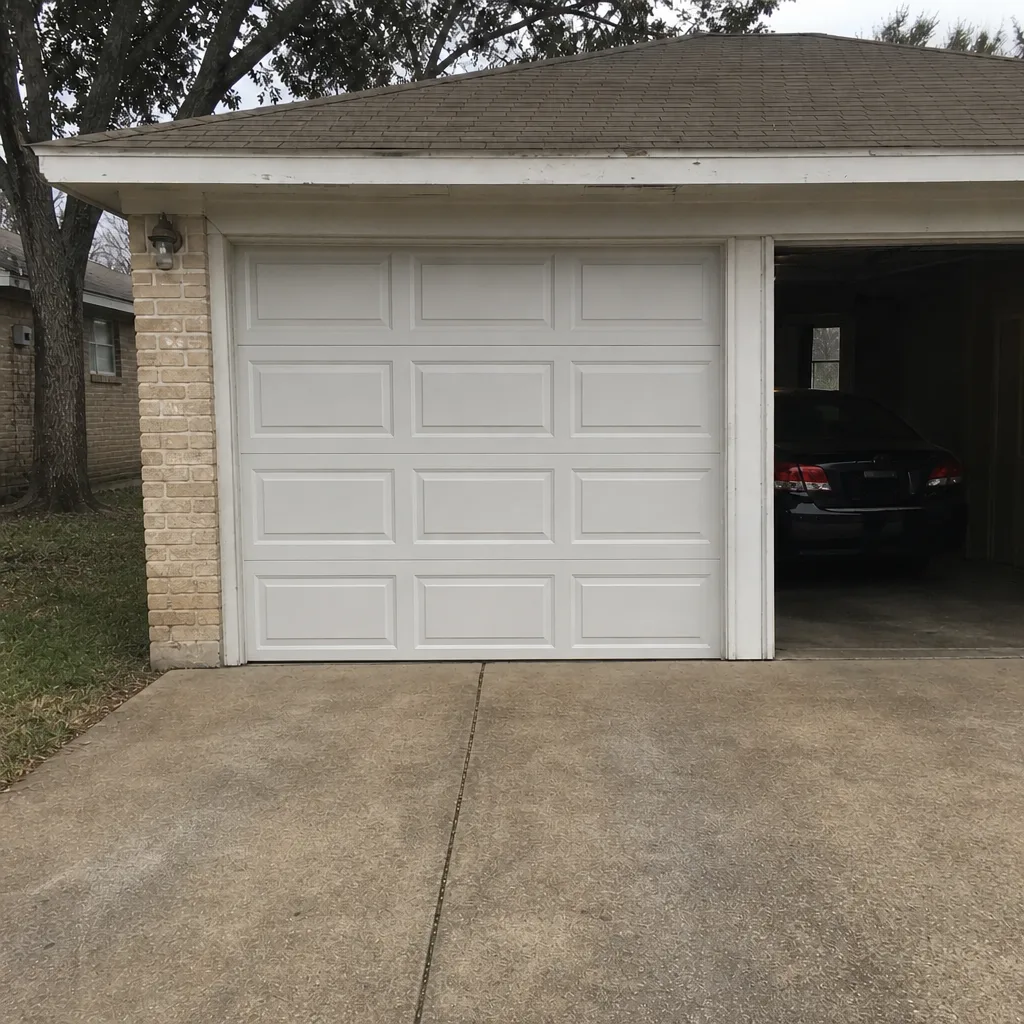 After
Common Mistakes to Avoid
We’ve watched brand decisions go sideways in predictable ways. Here are the mistakes that show up most often, and each is worth avoiding before you buy.
- Buying the brand with the loudest marketing. National ad budgets do not pay for parts on the shelf. Check parts availability in this market before you commit to a name you’ve only seen on TV.
- Sizing the door and opener separately. A door picked on one visit and an opener picked on another can leave you with a mismatch that burns out the motor. Match the door weight and construction to the opener before you buy, not after.
- Chasing R-value and ignoring the seal. In this heat, a worn bottom seal and a loose perimeter leak more than extra R-value can save. Put money into the door envelope first.
- Ignoring steel gauge on a full-sun wall. A lighter panel on an exposed wall will flex, fade, and dent sooner and wind harder against the frame. Go heavier on exposed walls where it matters.
- Choosing a discontinued or orphaned model. A brand about to retire the model you picked can leave you hunting parts later. Pick a current, widely serviced line instead.
- Letting a generalist pick the brand for you. A contractor who also does HVAC or plumbing is not the person to evaluate a door and opener pairing. Use a garage door specialist who knows the parts pipeline here.
- Buying a no-name door to save a little. It can save money today and cost more over time when parts can’t be sourced. A common, well-serviced brand routinely wins on total ownership.
When to Call a Professional
Some door and opener decisions are straightforward, and some genuinely need a trained eye. Call a professional when you’re matching a new door to an existing opener, since a mismatch shows up as a failing motor months later. Call when your door is off its tracks, a cable has snapped, or a spring has let go; torsion springs and cables are high-tension parts that can injure someone who touches them. Call when your opener reverses, ignores its limits, or runs hot, especially in a summer garage where heat compounds the problem. And call when you’re buying a brand and aren’t sure whether parts will be available in this market.
Hayden Garage Door Repair covers all three service lines in Wichita Falls: door repair, opener repair, and new installation, whether it’s the door, the opener, or both. Our technicians have up to 10 years of experience, and we’re factory-familiar with the brands most local homes actually have. Hayden Garage Door Repair offers free estimates in Wichita Falls, and you can call (844) 524-5488 to book one. We answer 24/7, with fast dispatch from 7am to 7pm, Sunday through Friday.
Frequently Asked Questions
There isn’t one universally best brand; the best choice pairs a well-built steel door with a correctly sized opener and a brand whose parts are available in this market. In practice, that means Clopay, Amarr, Wayne Dalton, or Raynor for the door, and LiftMaster, Chamberlain, Genie, or Craftsman for the opener. Match the door weight to the opener and check parts support before you buy. Call (844) 524-5488 for an exact recommendation and a free estimate.
Pricing is set per job by a written estimate, so it depends on the door size, steel gauge, insulation, and whether an opener is included. We don’t quote a flat number by phone because a proper price needs the opening measured and the door and opener paired. The written estimate is the price, agreed before any work starts. Call (844) 524-5488 for a free estimate.
They can over time, and the factory paint finish is what holds fading off. A baked-on finish with UV resistance keeps its color far longer than a sprayed or field-applied coat, and lighter colors hide fade better than dark colors. If you’re buying on a full-sun wall, favor a heavier gauge and a good factory finish. We can walk through finish options for your wall and exposure.
It depends on how the garage is used. For an attached garage that shares a wall with living space, a moderate R-value on the door helps comfort and keeps heat from bleeding into the house; for a detached or storage garage, a basic door is usually enough. In this hot climate, a good bottom seal and a bonded panel matter more than chasing the highest R-value. Call (844) 524-5488 to talk through the right option for your garage.
The opener matters less by brand and more by rated capacity, duty cycle, and belt versus chain drive. LiftMaster, Chamberlain, Genie, and Craftsman are common and well serviced here, so heat-related board and sensor fixes are quick. A properly sized, correctly matched unit holds up better than a big unit on an unbalanced door. Call (844) 524-5488 for opener advice and a free estimate.
The written estimate is the price, and we confirm it before any work begins. We don’t quote sight-unseen by phone; a technician measures the opening, checks the door weight and opener pairing, and writes the estimate so there are no surprises. Estimates are free. Call (844) 524-5488 to schedule one.
The Bottom Line
The right garage door brand in Wichita Falls isn’t the one with the biggest ad budget; it’s the one whose parts you can get when something fails. Build around the door: choose a steel gauge and a factory finish suited to a hot, dry, high-wind climate, and favor brands whose parts settle in this market quickly. Then treat the door and opener as one system, because a mismatch between door weight and opener capacity causes more failures than any single brand flaw. Brands like Clopay, Amarr, Wayne Dalton, Raynor, LiftMaster, Chamberlain, Genie, and Craftsman cover most local homes and are well supported. If you’d rather skip the guesswork, call a specialist who has seen these brands in this heat.
Ready to get the right door and opener for your home? Call (844) 524-5488 for a free estimate from Hayden Garage Door Repair. Garage doors are all we do, and we work on the system you already have, plus new installations across Wichita Falls. We answer 24/7, with fast dispatch from 7am to 7pm, Sunday through Friday. Your brand is in good hands, whether it’s the door, the opener, or both.
Written by the team at Hayden Garage Door Repair.