
Last updated November 15, 2026
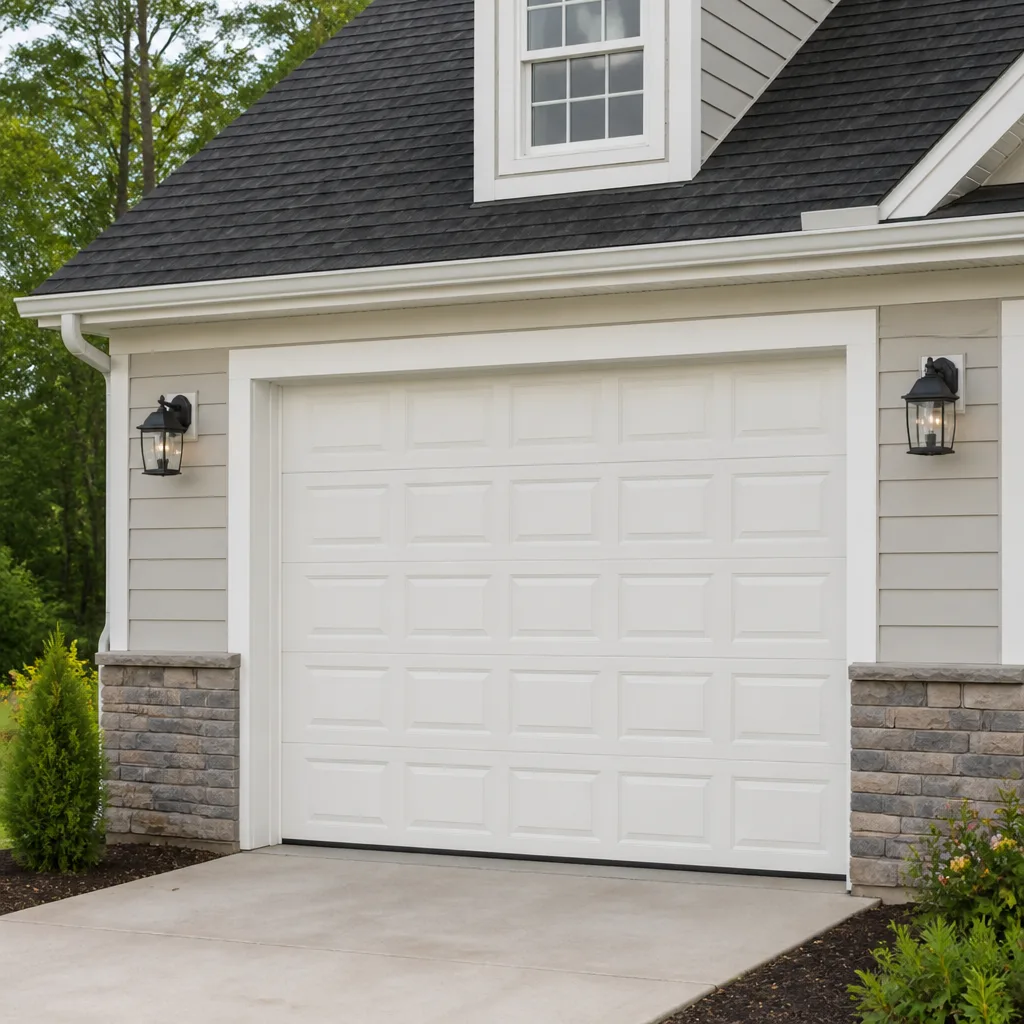 Raised-panel steel
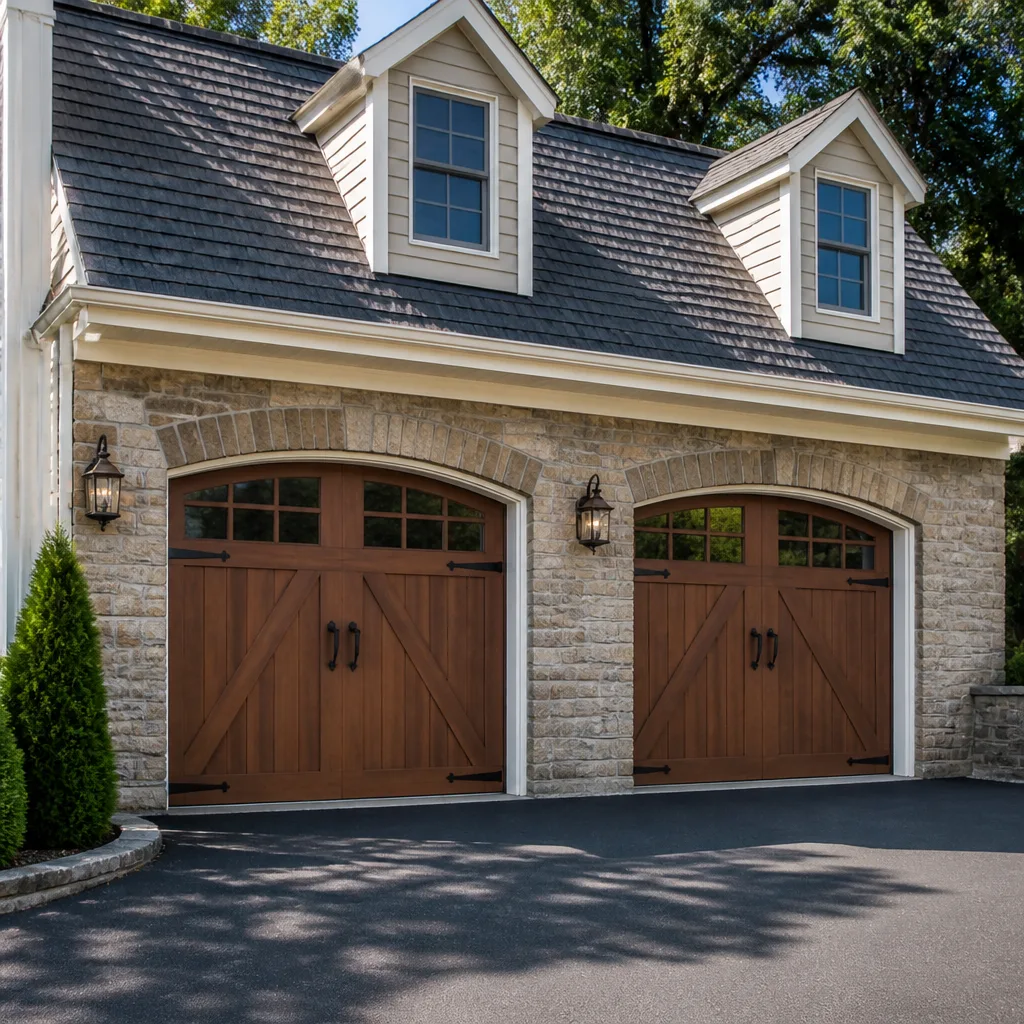 Carriage house
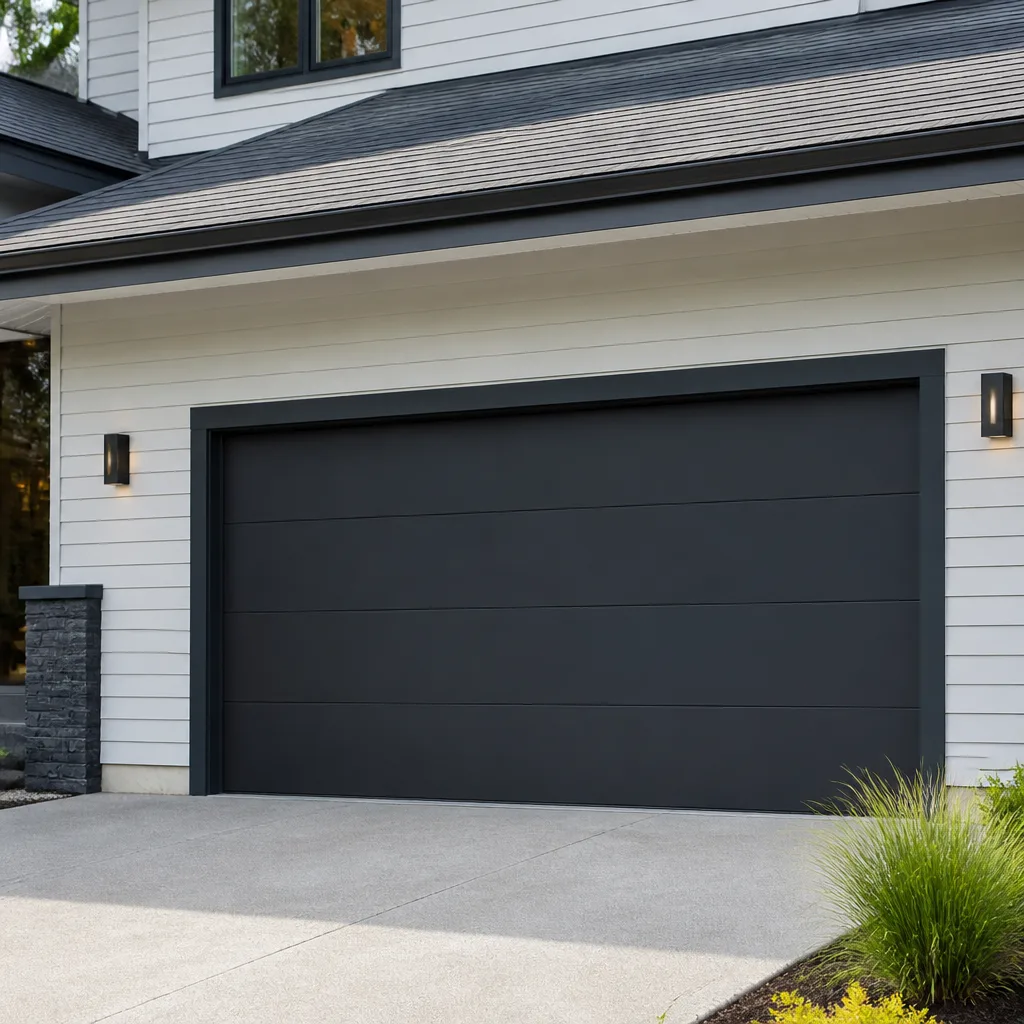 Modern flush
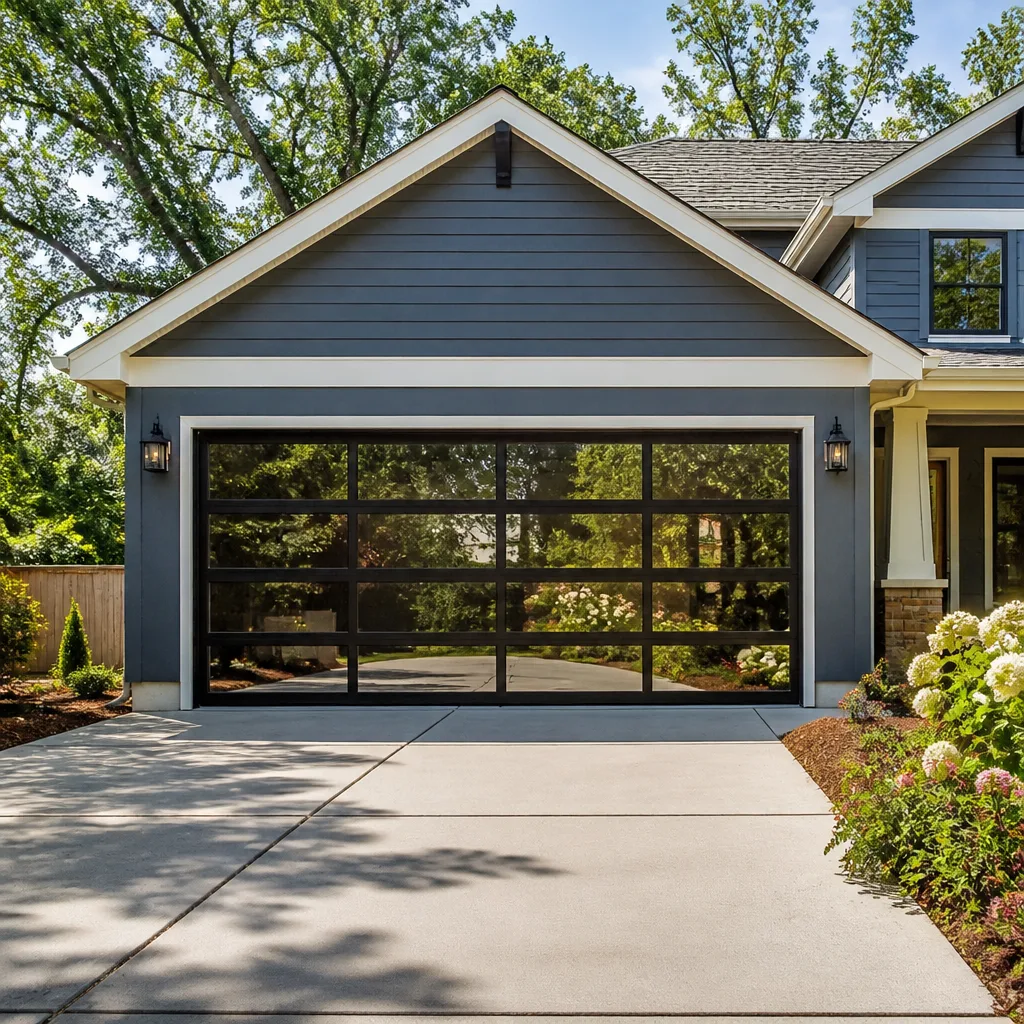 Full-view glass
 LiftMaster openers
 Chamberlain openers
Full 25-point door and opener safety check with every visit - springs, cables, rollers, tracks, and your LiftMaster or Chamberlain opener included
You get a price before we start. It does not change when the pro arrives.
Get your free estimateGarage Door Emergency Preparedness Guide for Wichita Falls Homes
Most homeowners assume a garage door failure is a repair problem. In Wichita Falls, it’s often an infrastructure problem first. When an ice storm takes down power lines or a tornado warning forces the family into the hallway, the garage door stops being a convenience and starts being the thing standing between you and a car you can’t move. The question worth asking before that day arrives is simple: if the power is out right now, can you get your car out in under three minutes? This guide covers how to answer that with confidence, from manual release operation to post-storm damage assessment.
Quick Answer
Every garage door with an automatic opener has a manual release, and that release is your primary emergency tool. The red cord disconnects the door from the opener so you can lift it by hand, but only if the door’s springs and balance are healthy. Homes in Wichita Falls should also know their door’s wind rating, keep a battery backup opener sized correctly for the door, and inspect the track and cables after any severe storm before pressing the button again.
Styles & brands we work with
- Raised-panel steel
- Carriage house
- Modern flush
- Full-view glass
- LiftMaster openers
- Chamberlain openers
Table of Contents
- How Does the Manual Release Work, and Why Do Some Doors Bind?
- How Do You Secure a Garage Door After a Storm?
- Tornado Preparedness: Open or Closed During a Storm?
- Do Battery Backup Openers Actually Work When the Power Dies?
- How Do You Assess Post-Storm Damage Before Operating the Door?
- What Happens to Your Garage Door During a Power Outage?
- What Belongs in a Garage Door Emergency Kit?
- What Maintenance Prevents Emergency Failures?
How Does the Manual Release Work, and Why Do Some Doors Bind?
The manual release is a cord, usually red with a plastic handle, that hangs from the opener trolley carriage. Pulling it down disengages the trolley from the door arm so the door moves freely by hand. That’s the whole mechanism. It’s simple, and it works, provided the door itself is balanced and nothing in the track, hinges, or cables is already compromised.
Here’s the part most people don’t find out until they need it. A manual release only helps if the door is balanced. A properly balanced door lifts with one hand and stays put wherever you leave it, roughly halfway up. A door with a failing spring is heavy, sometimes too heavy for one person to lift safely, and a door with a snapped spring won’t lift at all without extreme force. Pulling the release on an unbalanced door and then trying to muscle it up is how people get hurt and how doors come down hard.
How to Use the Manual Release Safely
- Stand clear of the door’s path and make sure nobody is underneath it.
- Grip the red cord and pull straight down until the trolley clicks free. It should release with modest effort.
- Before lifting, test the door’s weight by lifting it a few inches by hand.
- If it lifts smoothly, raise it fully and prop or secure it. If it feels excessively heavy or won’t move, stop and call for help.
- To re-engage, pull the cord again or run the opener until it reconnects, then test the door’s normal cycle.
Some doors bind when you pull the release, and the cause is usually diagnostic. A door that won’t disengage cleanly often has a bent trolley arm, a misaligned track, or a carriage that has worn. If yours resists, don’t force it. That’s a signal for a trained technician, and it’s exactly the kind of thing a specialist spots fast. Our technicians have up to 10 years of experience across the brands homeowners actually own, including LiftMaster, Chamberlain, and Genie, so the release mechanism on your unit isn’t a mystery on arrival.
How Do You Secure a Garage Door After a Storm?
If a storm damages the automatic lock, bends a track, or leaves the door unable to close fully, the first priority is securing the opening. An open or partially open garage invites water intrusion and, more importantly, leaves the house exposed. Get the door closed if you can, and get it braced if you can’t.
Start by checking whether the door will close manually. With the opener disengaged, lower the door by hand and see whether it seats evenly against the floor. A door that closes but won’t lock can be braced from the inside using a bar or a length of lumber placed across the door’s interior width and wedged into the side tracks. This is temporary. It’s a stopgap until a professional can restore the door’s automatic function.
Steps to Secure a Damaged Door
- Disengage the opener using the manual release.
- Lower the door by hand and check that both sides meet the floor evenly.
- If the door closes but won’t lock, brace it from the inside across the tracks.
- If the door won’t close at all because of track or roller damage, don’t force it. Block the opening from the inside and keep the area clear.
- Photograph the damage before anyone touches anything further. This helps with insurance and helps a technician diagnose what happened.
If your door is stuck partially open and you’re in Wichita Falls, call (844) 524-5488. We answer 24/7, and a call outside dispatch hours is booked into the next opening, Sunday through Friday, 7am to 7pm. Getting someone out to secure the opening beats leaving it exposed.
Tornado Preparedness: Open or Closed During a Storm?
The short answer for most Wichita Falls homes: keep the garage door closed. The long answer depends on your door’s wind rating, and that’s worth knowing before the sirens sound. Wichita Falls sits in tornado country, and the guidance that circulated for years about opening a garage door to equalize pressure during a tornado has been widely reconsidered. Modern thinking and building science lean toward keeping the door closed and letting the structure’s design do its job.
Why closed wins: an open garage door creates a large opening that lets wind-driven debris and pressure inside the structure. A closed door, especially one rated for wind resistance, keeps the envelope intact. If your door carries a wind rating, that rating was tested with the door closed and locked. Opening it defeats the entire purpose of the rating.
What to Know About Wind Ratings
- Wind-rated doors are tested as a complete assembly, door plus hardware plus reinforcement, in the closed position.
- If your door isn’t wind-rated, closing it is still the better default. It’s the difference between a sealed opening and an open one.
- Check whether your door has a reinforcement strut or bracing. Many wind-rated doors use one, and it should be intact before storm season.
- Know the difference between a door that’s rated and a door that’s merely heavy. Weight isn’t rating.
- If you don’t know your door’s rating, look for a label on the door itself or ask a technician to identify it.
During a tornado warning, close the garage door, get to your safe room or interior space, and leave the door alone until the storm passes. After it passes, don’t press the opener button until you’ve inspected the door. A twisted track or a displaced roller can turn a routine open into a jammed or fallen door. This is where a Wichita Falls homeowner benefits from knowing their system in advance, rather than learning it in the dark.
Do Battery Backup Openers Actually Work When the Power Dies?
Some do, some don’t, and the difference often comes down to sizing. A battery backup opener runs the door on a rechargeable battery when household power is out. The key question is whether the battery and the opener are rated to lift your specific door. A backup unit rated for a light single-car door may struggle or fail on a heavy double door with a stiffer spring setup.
This matters in Wichita Falls because ice storms take down power for days at a time. A backup that only cycles your door twice before dying isn’t much of a backup. If your door is a large double door or a heavier insulated model, a backup unit sized for a smaller door may be undersized for the job.
What to Check on a Battery Backup Opener
- Confirm the opener’s lifting capacity matches your door’s size and weight.
- Test the backup deliberately. Kill the breaker to the opener and run the door on battery to see how it performs.
- Check the battery’s age and condition. Backup batteries degrade and need replacing.
- Look for a battery indicator light or warning on the unit. Modern units often signal low battery.
- Make sure your manual release still works even with a backup installed. Redundancy matters.
If you’re not sure whether your Chamberlain or Genie unit’s backup is adequate for your door, that’s a fair question to ask a specialist. Garage doors are all we do, so sizing and compatibility questions get answered straight. For a door that needs real repair, our garage door repair service covers the mechanical side. For the electronics, our garage door opener repair handles the unit itself.
How Do You Assess Post-Storm Damage Before Operating the Door?
Don’t press the button first. Walk up to the door and look at it before you touch the opener. A door that survived a storm can still have damage that makes operating it dangerous. The goal is to spot the problem before the opener forces the door into a bad situation.
What to Look For
- Bent or twisted track sections, especially along the vertical and horizontal runs.
- Rollers that have popped out of the track or look cracked.
- Cables that are slack, frayed, or off their drums. Cables under tension are dangerous, so don’t handle them.
- A door that sits crooked in the opening or doesn’t meet the floor evenly.
- Dents or damage to the panels that could interfere with travel.
- The torsion spring above the door, if visible. A gap in the coil or a spring that looks deformed is a stop sign.
If anything looks wrong, leave the door alone and call a professional. High-tension springs and cables are genuinely dangerous, and a damaged door that gets forced can come down hard or throw parts. This is not a “figure it out yourself” moment. A trained technician can diagnose the damage safely and tell you what actually needs replacing versus what survived.
What Happens to Your Garage Door During a Power Outage?
A power outage leaves your opener dead but your door perfectly usable, provided it’s balanced and you know where the manual release is. The opener isn’t the door. It’s just the motor that lifts it. Without power, the door is a counterweighted panel you can operate by hand, assuming the springs are healthy and the track is clear.
Here’s what to do when the lights go out in Wichita Falls:
- Find the red manual release cord. It hangs from the opener carriage. If you’ve never located it, do this now, before you need it.
- Pull the cord down firmly to disengage the trolley.
- Lift the door by hand, using the bottom handle or a clean grip on the bottom panel.
- Raise it fully, drive the car out, and lower the door gently by hand.
- When power returns, re-engage the trolley by running the opener or pulling the cord again, then test the door.
If the manual release doesn’t work or the door won’t lift by hand, don’t strain it. That indicates a balance or mechanical problem that needs a technician. If your opener is failing even when power is on, our team can look at Hayden Garage Door Repair service options and get you scheduled.
What Belongs in a Garage Door Emergency Kit?
Preparedness is cheap and quiet. A small kit kept in the garage takes an hour to assemble and pays off the first time you need it. The idea isn’t to turn your garage into a bunker. It’s to make sure that when something fails, you’re not searching for a flashlight in the dark.
- A working flashlight with fresh batteries, kept where you can reach it without the opener.
- A printed card with your garage door brand and model number, plus the name of a technician you trust.
- A short length of sturdy lumber for bracing a door that won’t lock.
- Work gloves, in case you need to handle a door by hand.
- A phone number for garage door service written down, not just stored in your phone.
- Photographs of your door and opener, taken now, for insurance and diagnostic reference.
If you’re making a kit for a Wichita Falls home, add a note about your door’s wind rating if you know it. That single piece of information settles the open-or-closed question during a tornado warning without debate. And it helps a technician understand your door’s limits when you call.
What Maintenance Prevents Emergency Failures?
Most garage door emergencies aren’t sudden. They’re the end of a slow decline that nobody watched. A door that gets a few minutes of attention twice a year fails far less often, and when it does fail, it fails in a way you’ve already prepared for. That’s the whole point of this guide: not to prevent every failure, but to make sure failure doesn’t catch you off guard.
Simple Maintenance That Matters
- Test the balance twice a year by disengaging the opener and lifting the door halfway. It should stay put. If it drops, the springs are losing tension.
- Lubricate the hinges, rollers, and springs with a garage-door-rated lubricant. Not WD-40 on the springs.
- Check the track for bends and the rollers for wear.
- Test the safety reverse feature by placing an object in the door’s path and confirming it reverses.
- Look at the cables for fraying. If you see strands broken, stop using the door and call.
When a door is beyond maintenance, a full garage door repair evaluation tells you what’s worth fixing. And if the door itself is at the end of its life, an installation replaces the whole system with something rated for the conditions here. We work on the brand you already have, whether it’s Clopay, Amarr, or something older, and we’ll tell you honestly when repair is the smarter move.
Common Mistakes to Avoid
- Never testing the manual release before you need it. If you’ve never pulled the red cord, you don’t know whether it works. Test it now, while the power is on and the stakes are low.
- Forcing a door that won’t lift. A door that won’t move by hand has a balance or mechanical problem. Forcing it risks injury and further damage. Stop and call.
- Opening the garage door during a tornado warning. The old advice to equalize pressure doesn’t hold up. Keep it closed, especially if yours is wind-rated, and get to shelter.
- Assuming a battery backup is adequate without testing it. A backup sized for a small door may fail on a heavy one. Test it deliberately by cutting power and running the door.
- Pressing the opener after a storm without inspecting first. A bent track or popped roller turns a normal open into a jam. Look before you press.
- Touching damaged cables or springs. These are under high tension and can release violently. Leave them to a trained professional.
- Treating a storm-damaged door as a permanent fix. Bracing a door is a stopgap, not a repair. Get it evaluated so the next storm doesn’t find you unsecured.
See the difference
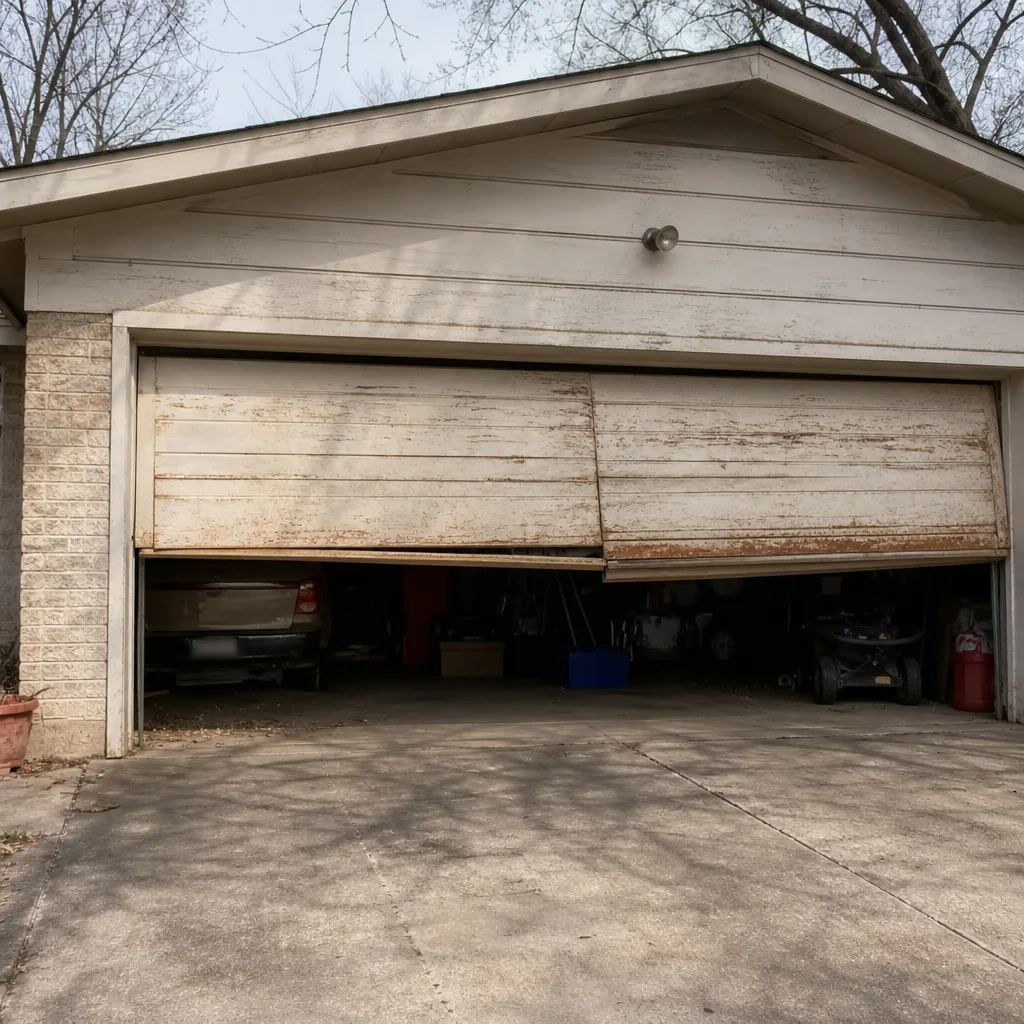 Before
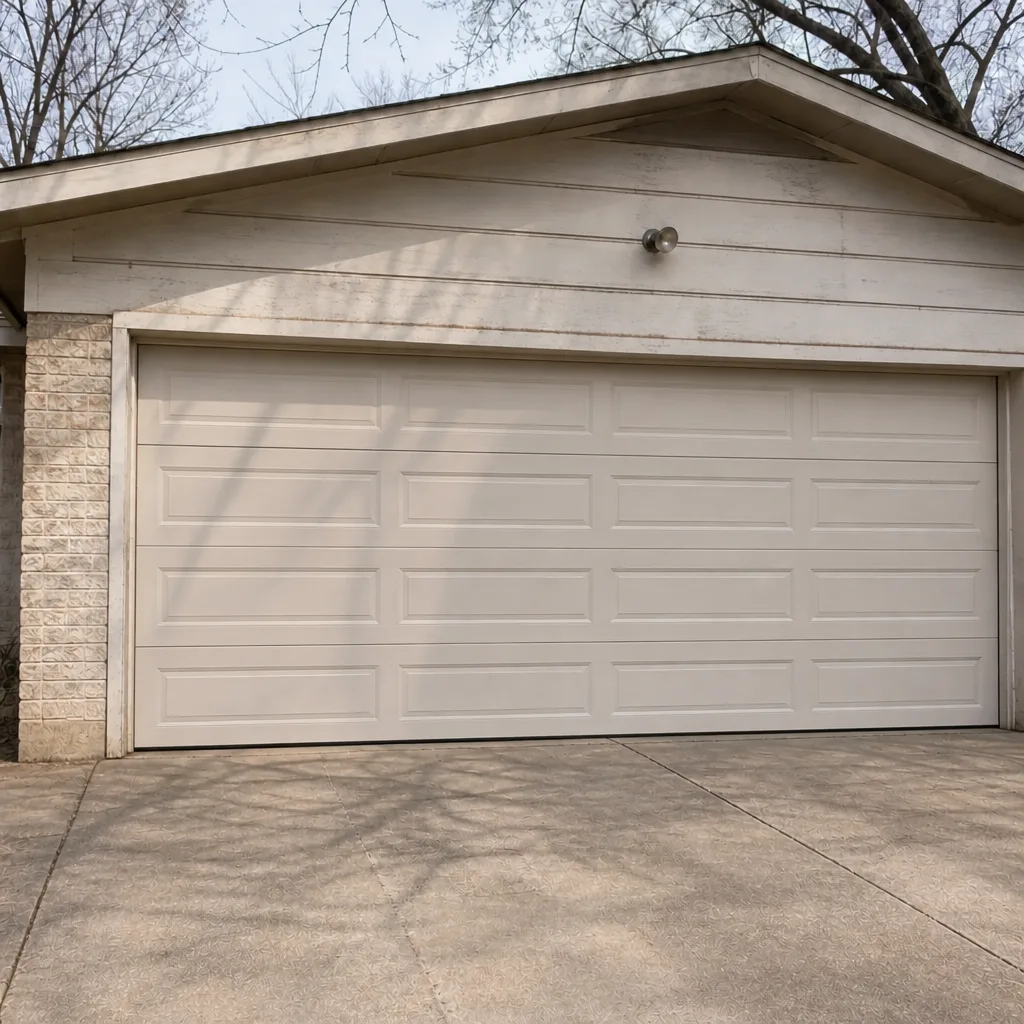 After
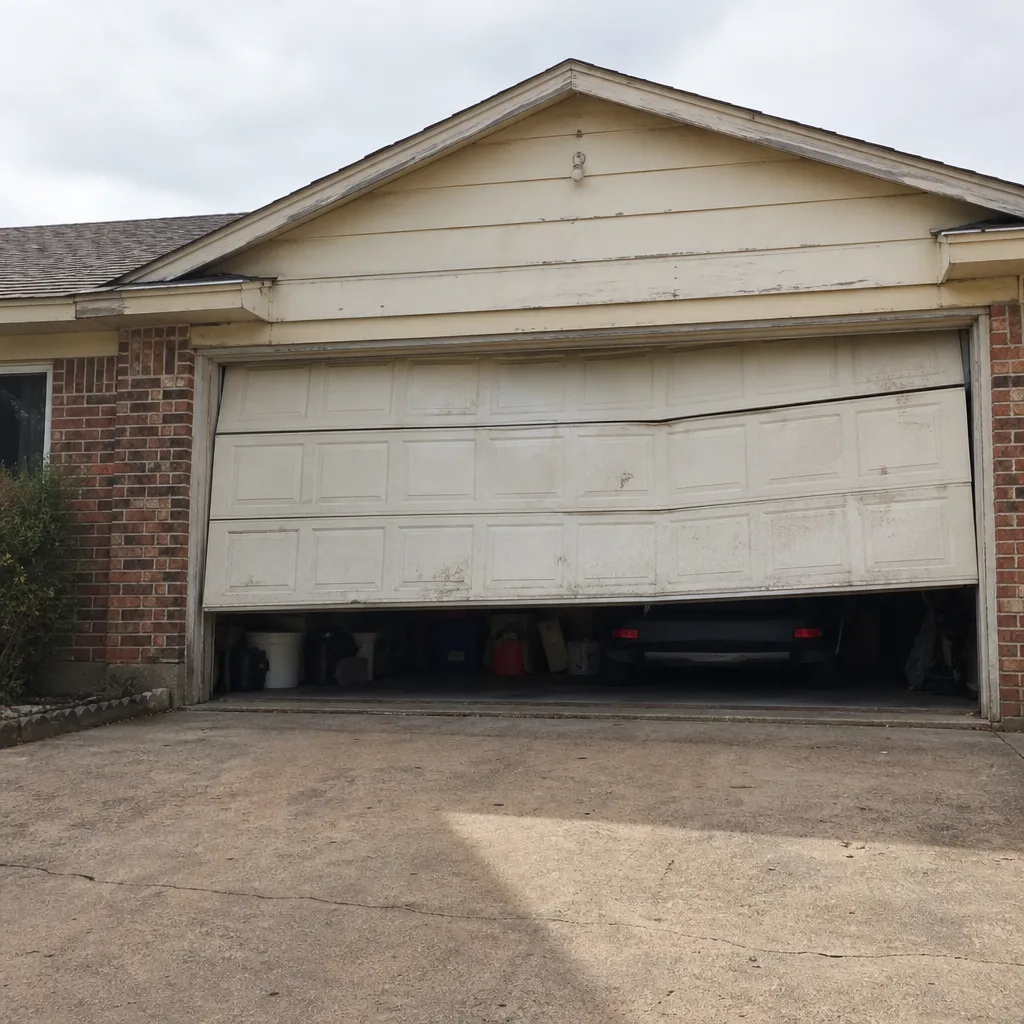 Before
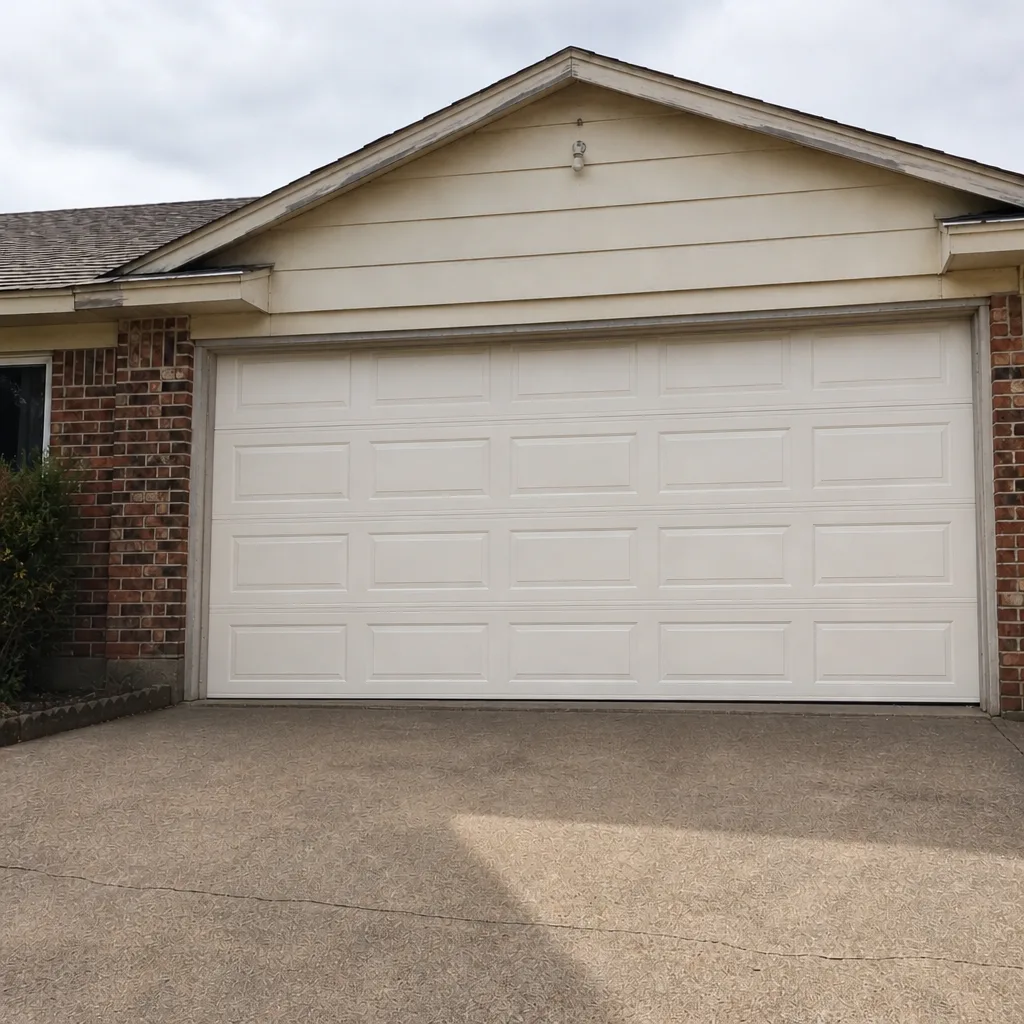 After
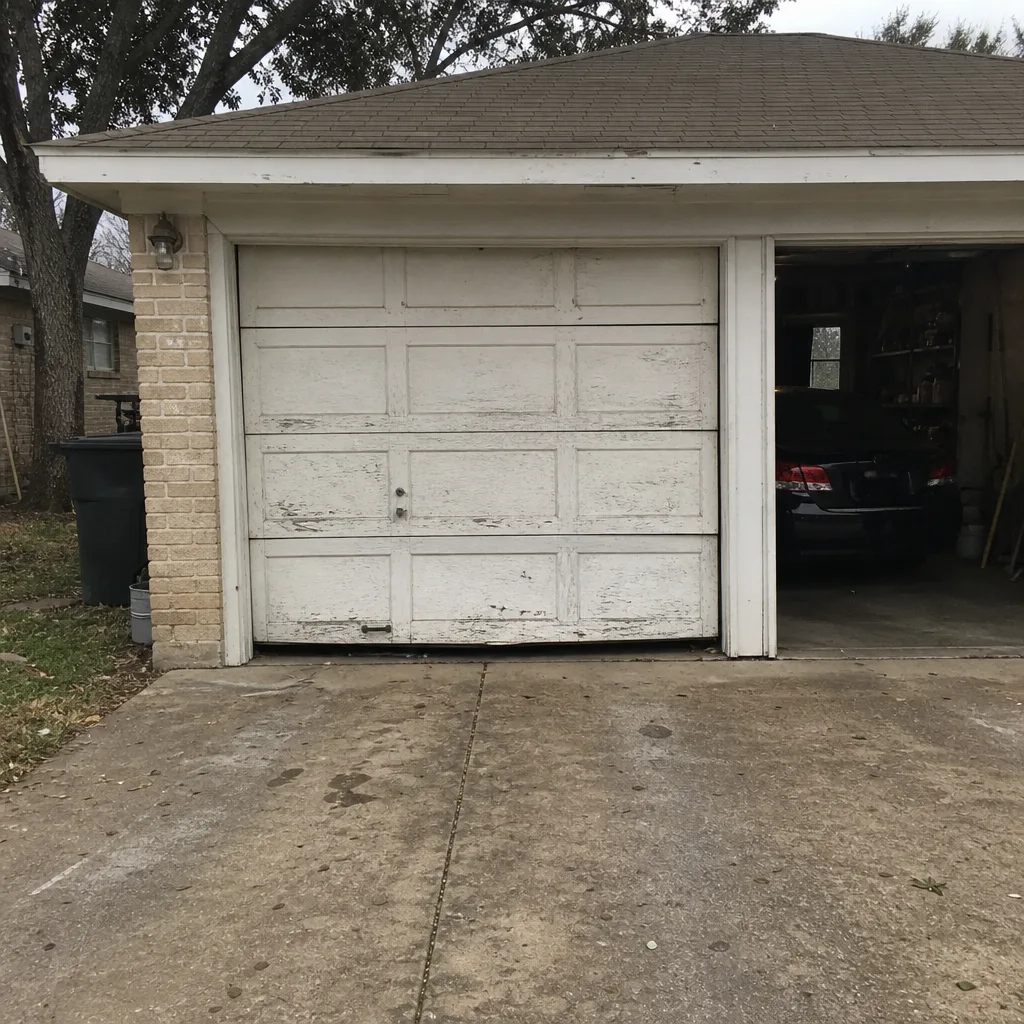 Before
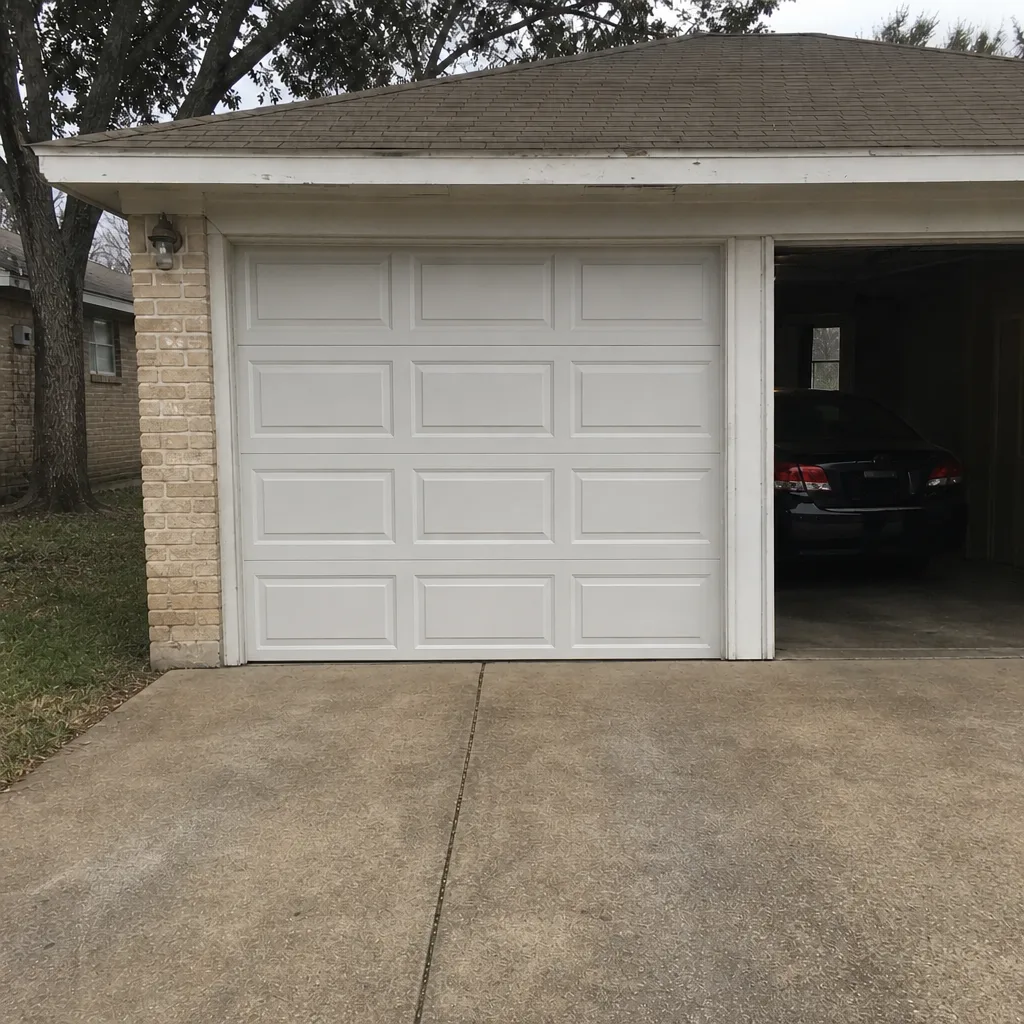 After
When to Call a Professional
Call a professional when the door won’t lift evenly by hand, when a spring is visibly broken or the door feels unusually heavy, when a cable is slack or frayed, when the door is crooked in the opening, or when the opener runs but the door doesn’t move. Call after any storm that left visible damage to the track, panels, or hardware. Call if your manual release binds or won’t disengage. And call if you’re simply not sure, because a specialist can tell you quickly what’s safe. Hayden Garage Door Repair offers free estimates in Wichita Falls, call (844) 524-5488. We answer 24/7, with fast dispatch from 7am to 7pm, Sunday through Friday. If you’re looking for service in Wichita Falls, whether it’s the door, the opener, or both, we can help you figure out the next step.
Frequently Asked Questions
Pull the red manual release cord to disengage the opener, then lift the door by hand. The door should lift with modest effort if it’s balanced. If it feels too heavy to lift safely, stop and call a technician rather than forcing it. Our team can help if your door won’t release or won’t lift: call (844) 524-5488.
No. Keep the garage door closed during a tornado warning. An open door lets wind-driven debris into the structure and defeats the purpose of a wind-rated door, which is tested closed. Get to your safe space and leave the door closed until the storm passes.
It works if it’s correctly sized for your door. A backup unit rated for a light single-car door may struggle on a heavy double door. Test yours by cutting power and running the door on battery. If it barely moves the door, it’s undersized. Call us if you’re not sure whether yours is adequate.
No. Springs and cables are under high tension and can cause serious injury if they release unexpectedly. This is one job to leave to a trained technician. If your spring is broken, keep people and vehicles clear of the door and call (844) 524-5488 for help.
Inspect the track for bends, the rollers for damage, the cables for fraying or slack, and the door for crookedness. Look at the spring for visible damage. If anything looks wrong, don’t press the opener. Call a professional to evaluate it safely.
We answer 24/7 and offer fast dispatch from 7am to 7pm, Sunday through Friday. A call outside dispatch hours is booked into the next opening. Call (844) 524-5488 and we’ll get you scheduled as soon as we can.
The Bottom Line
A garage door emergency in Wichita Falls is easier to handle when you’ve planned for it. Know where your manual release is and test it. Keep your door closed during a tornado warning. Make sure your battery backup is actually sized for your door. Inspect the door after a storm before you press the opener. And when something’s beyond a stopgap, call a specialist who works on the brand you already have. A little preparation now means that when the power goes out, you’re not the person who finds out the hard way whether the door will open. Call (844) 524-5488 for a free estimate, and we’ll help you build that plan.
Written by the team at Hayden Garage Door Repair.