
Last updated November 15, 2026
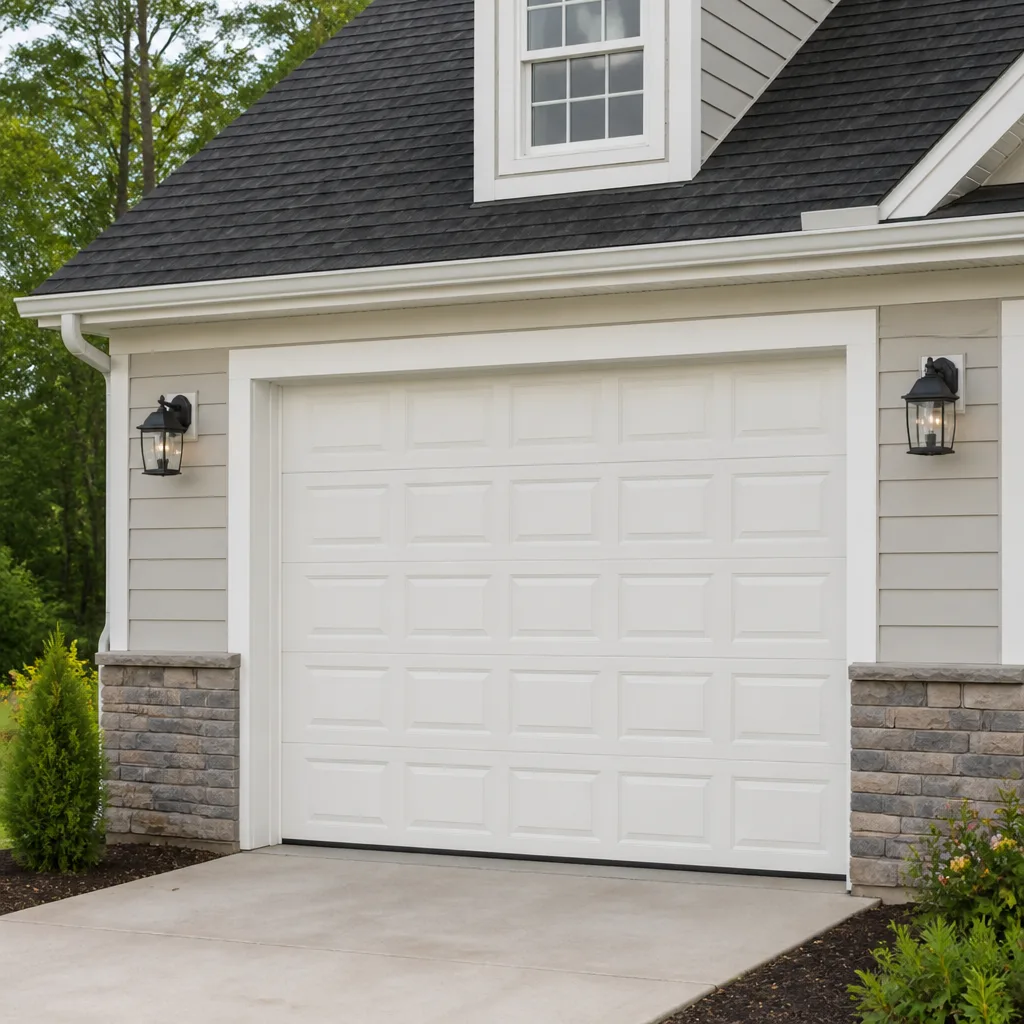 Raised-panel steel
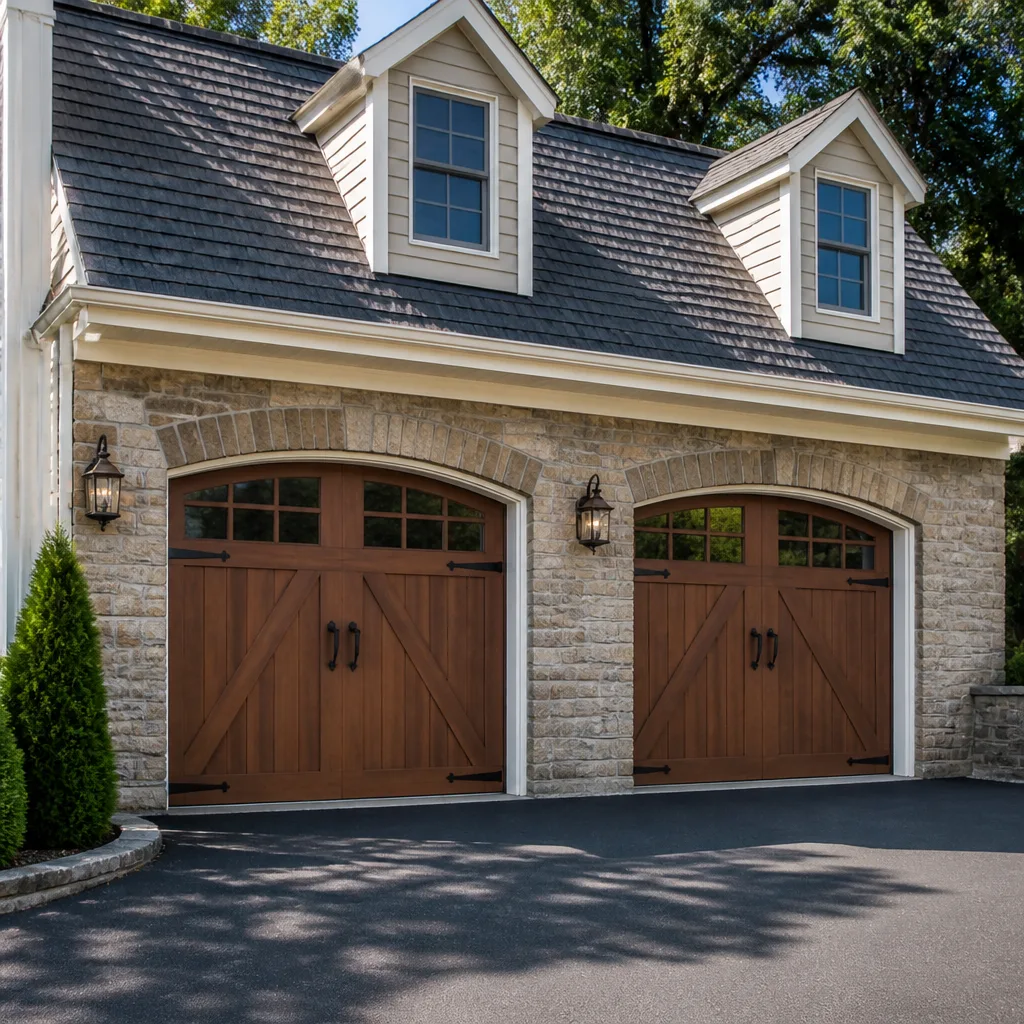 Carriage house
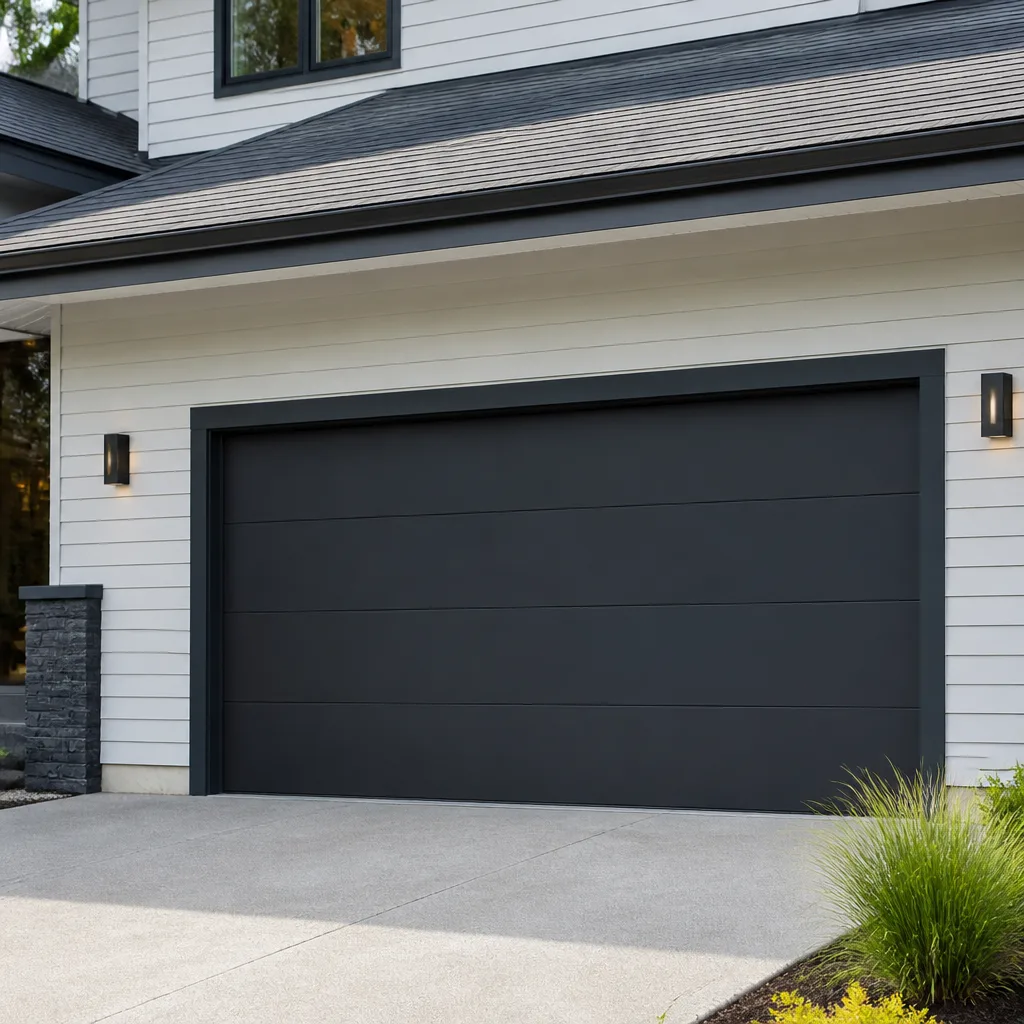 Modern flush
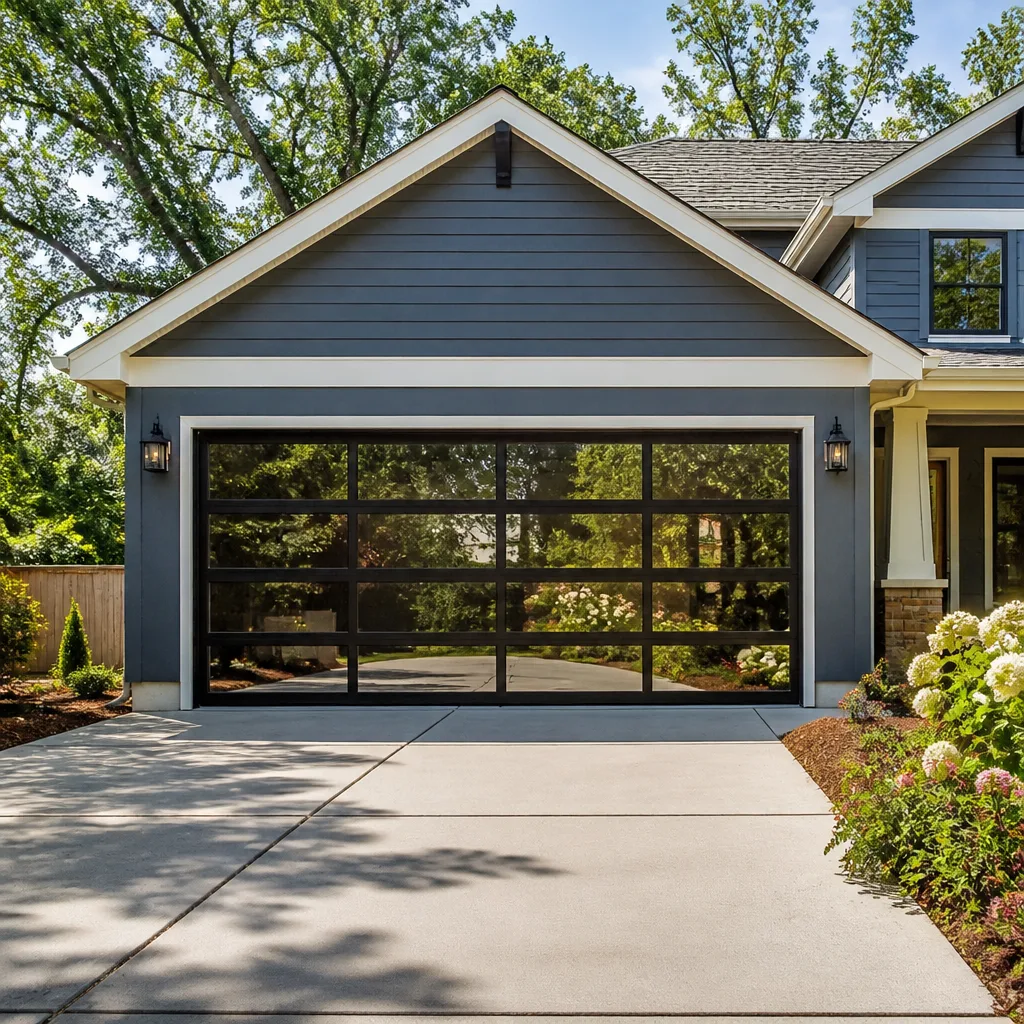 Full-view glass
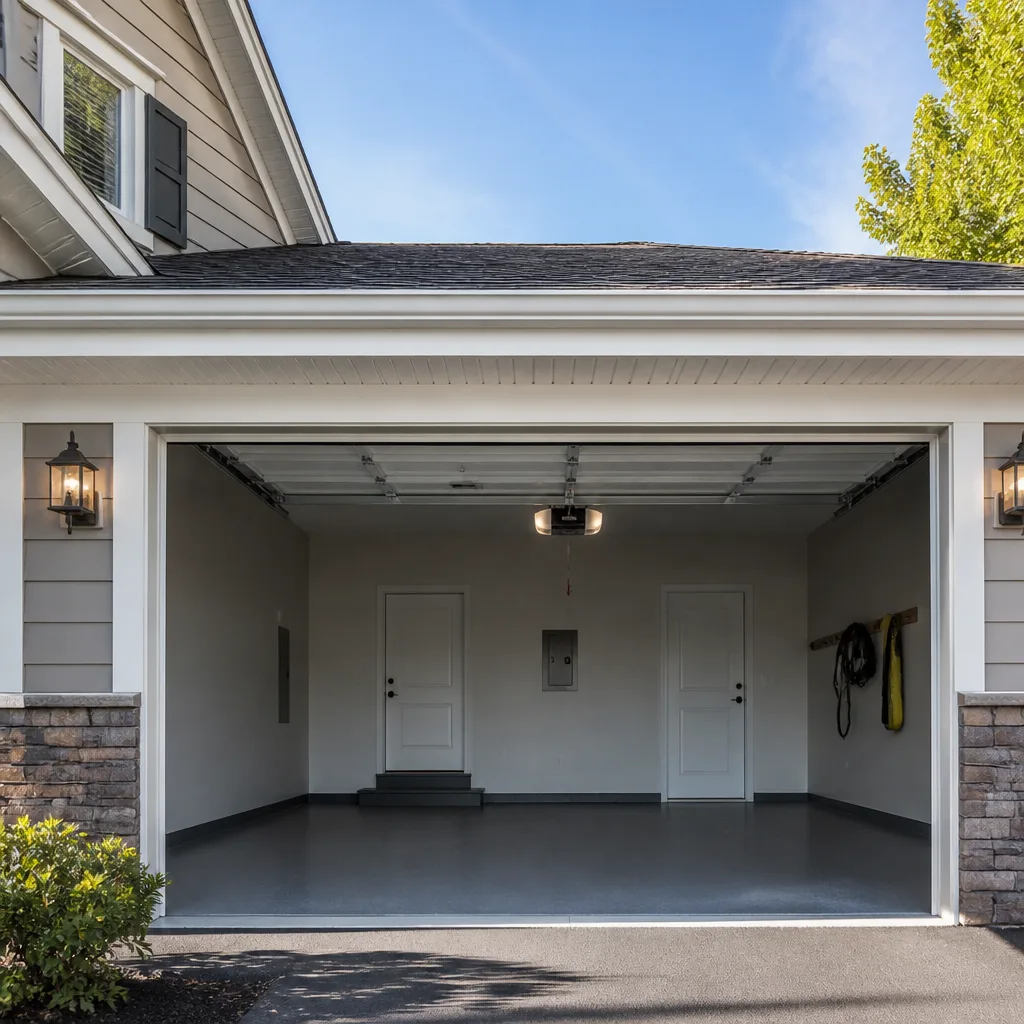 LiftMaster openers
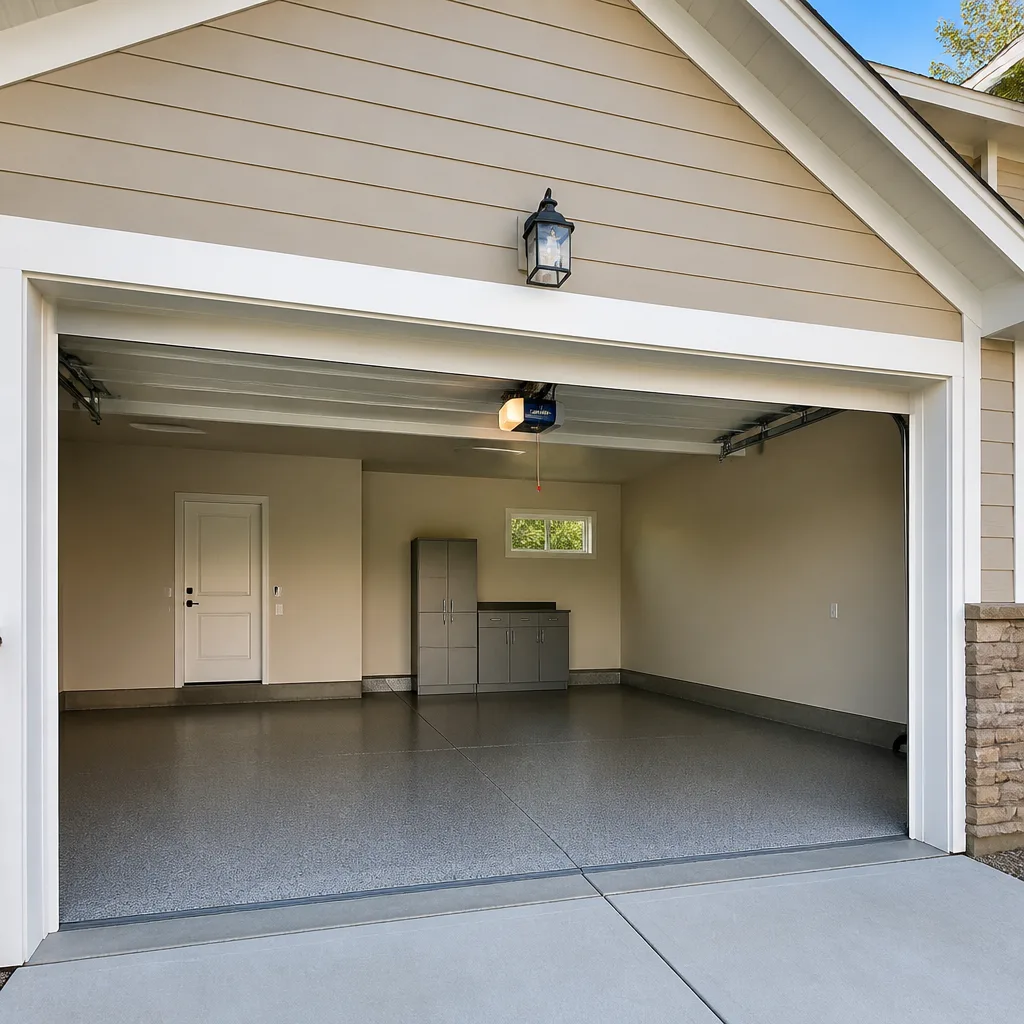 Chamberlain openers
Full 25-point door and opener safety check with every visit - springs, cables, rollers, tracks, and your LiftMaster or Chamberlain opener included
You get a price before we start. It does not change when the pro arrives.
Get your free estimateGarage Door Repair Maintenance Schedule: What to Do and When
Most maintenance checklists tell you to lubricate your garage door every month. Torsion springs don’t care about your calendar. They’re rated by cycles, not months, and a busy household can work through a spring’s rated life in a handful of years no matter how faithfully anyone greased the hinges. Treating a spring the same as a hinge is why so many schedules feel like busywork and still end with a snapped spring and a car trapped inside. What follows is a component-by-component schedule built around how each part actually wears, plus the seasonal shifts that matter in Wichita Falls, where a long hot summer works metal and opener motors harder than a mild spring does.
Quick Answer
A garage door needs meaningful maintenance roughly twice a year, but the tasks differ by part: springs and cables should be inspected (never adjusted by a homeowner) at every service, rollers and hinges need lubrication every six months, and the opener’s drive system should be checked seasonally. The single most useful habit is a 90-second balance test once a month, which catches a weakening spring before it fails. Anything involving torsion springs, cables, or the opener’s electrical components belongs with a trained technician.
Styles & brands we work with
- Raised-panel steel
- Carriage house
- Modern flush
- Full-view glass
- LiftMaster openers
- Chamberlain openers
Table of Contents
- Cycle-Based vs. Time-Based: Why Your Calendar Is the Wrong Measure
- The Component-by-Component Maintenance Schedule
- The 90-Second Balance Test That Catches Most Problems Early
- Seasonal Adjustments for Wichita Falls Heat and Cold
- What to Lubricate, What Not To, and Why Tracks Are the Big Mistake
- Opener Care: Drive Belts, Chains, and Safety Reversal
- Weather Seal and Bottom Seal Care
- Red Flags That Mean Stop and Call a Technician
Cycle-Based vs. Time-Based: Why Your Calendar Is the Wrong Measure
Here’s the part most schedules get wrong. A garage door is a machine measured in cycles, not months. One cycle is a full open and one full close. A torsion spring is rated for a specific number of cycles, and when those cycles are used up, the spring breaks – whether that took four years or twelve. A household where two drivers leave and return several times a day racks up cycles far faster than a retiree who opens the door once in the morning and once at night. Same door, same springs, very different timelines.
That reality changes how you should think about upkeep in Wichita Falls. Time-based reminders still have a place – rubber seals dry out and lubricant degrades on a clock, not a counter – but the wear parts need to be judged by use. A useful way to frame it:
- High-cycle homes (multiple cars, work-from-office commuters, kids coming and going): expect springs, cables, and rollers to wear faster and lean toward more frequent inspection.
- Low-cycle homes (one car, one driver, predictable routine): the same parts last longer, but seals and lubricant still age on schedule, so don’t skip the calendar entirely.
- Mixed use: a door that’s mostly parked but opened in bursts still loads the springs on every cycle – the counter doesn’t care about the gaps between.
So the practical answer is a hybrid: a usage-based eye on the mechanical wear parts, and a calendar-based routine for everything rubber, plastic, and lubricated. When a component is genuinely at the end of its cycle life, no amount of monthly greasing buys it more time. That’s the honest truth behind a lot of “maintenance” advice, and it’s why we tell homeowners to focus effort where it actually pays off. If a spring has already let go, that’s a repair, not maintenance – our garage door repair service handles exactly that kind of failure.
The Component-by-Component Maintenance Schedule
Each part of a garage door ages on its own terms. Here’s how we break it down by component, with what to check and how often. This is our general service experience, not a rulebook – a trained technician assessments the real condition of your specific system.
Springs (torsion and extension)
Springs are the highest-stress part and the one most tied to cycle life. They should be inspected at every service – look and listen, don’t touch. Watch for a visible gap in a torsion spring, a stretched extension spring, or a door that suddenly feels heavy. Never adjust or replace a spring yourself; these are under extreme tension and can cause serious injury. A trained technician handles them.
Cables
Cables work with the springs to lift the door and are equally dangerous under load. Inspect for fraying, kinks, or slack at each service. A cable that looks worn is a stop-and-call situation, not a tighten-it-later one.
Rollers
Rollers take a beating and wear according to cycles. Check every six months for flat spots, cracks, or wobble, and lubricate metal rollers lightly. Worn nylon or steel rollers make a door noisy and drag on the opener. Replacing a full set is a common, straightforward job when they’re past their prime.
Hinges
Hinges are the easiest win. Lubricate them every six months and check for loose screws or bent plates. A squeaky door is usually dry hinges, not a failing opener.
Tracks
Tracks should be checked every six months for dents, debris, and alignment, and wiped clean. Do not lubricate them – more on that in the lubrication section below. A bent track will bind the door and strain the opener.
Weather seal and bottom seal
The bottom seal and perimeter weatherstripping should be checked each season. They dry out and crack, especially with our Texas sun, and a failed seal lets heat, dust, and pests in.
Opener drive belt or chain
The opener’s drive system should be checked seasonally for tension and wear. A loose chain slaps; a worn belt frays. Our garage door opener repair service covers these drive-system issues specifically.
The 90-Second Balance Test That Catches Most Problems Early
If you do one thing every month, make it the balance test. It’s the single check that reveals whether your springs are losing tension before they snap, and it takes about 90 seconds. A well-balanced door should stay put roughly halfway open on its own. If it drops or races up, the springs are telling you something.
To run it safely, follow these steps:
- Close the door completely and disconnect the opener by pulling the manual release handle (the red cord).
- Lift the door by hand to about waist height – halfway open.
- Let go gently and watch. A balanced door holds position. A door that sinks means the springs are weakening. A door that climbs on its own means there’s too much tension.
- Lower the door fully, reconnect the opener, and note what you saw.
Do not attempt to correct tension yourself – adjusting springs is a job for a trained technician. But the test itself is a powerful early-warning system. In our experience, a door that fails the balance test is often only a short way from a broken spring, and catching it early usually means a planned service instead of a car stuck in the garage. In Wichita Falls, where summer heat expands the metal door panels and pushes the opener harder, a monthly balance check through the hot months is worth the two minutes.
Seasonal Adjustments for Wichita Falls Heat and Cold
Our climate runs hot in summer and can turn genuinely cold in winter, and your door feels both. Two seasonal transitions deserve attention.
Summer: heat expands metal and stresses the opener
Summer is the harder season on a garage door in Wichita Falls. Metal panels expand in the heat, tracks can shift slightly, and the opener motor works longer to move a door that’s binding against a tight track. Before the worst of the heat:
- Wipe down and clean the tracks so heat-driven expansion doesn’t bind against debris.
- Check that the door moves freely by hand and listen for new strain from the opener.
- Look at the bottom seal – sun exposure cracks it faster than anything else.
- Confirm the balance test still passes as temperatures climb.
Winter: cold stiffens grease and tightens tolerances
When it cools off, lubricant thickens and metal contracts, so a door that ran quietly in summer can start groaning. Before the first cold snap:
- Re-lubricate hinges and rollers with something that stays workable in cold – a light grease or a proper garage-door lubricant, not a heavy automotive grease.
- Check the opener’s ability to reverse on contact; cold can change how the door responds.
- Inspect the weather seal for cracks that will let cold air in.
Two small seasonal routines, done at the shift into heat and the shift into cold, head off most of the “my door suddenly started acting up” calls we field. It’s one of the benefits of working from a place with real seasons to plan around.
What to Lubricate, What Not To, and Why Tracks Are the Big Mistake
The most common over-lubrication mistake is greasing the tracks. People assume shiny, slick tracks help the door glide. They don’t. The rollers are designed to roll along the track, not slide, and lubricant on the track attracts dust, dirt, and grit that gum up the rollers and make the door drag. Over time that grit turns a smooth operation into a grinding one. On top of that, a lubricated track collects whatever blows in from a dusty Texas wind, and you end up with a sticky paste that’s worse than clean steel.
So what actually gets lubricated, and what doesn’t?
- Lubricate: hinges, metal rollers (lightly), and the opener’s drive chain or the pivot points a chain runs through. Use a lubricant meant for garage doors, not a general-purpose grease.
- Do not lubricate: the tracks. Keep them clean and dry. Wipe them down instead of greasing them.
- Do not lubricate: the torsion spring itself. Oil on a spring does nothing useful and can attract grit.
A dry, clean track with well-lubricated hinges and lightly oiled rollers is the right combination. Six months is the sensible interval for the lubricated parts. If your door squeals after you grease the hinges, that’s usually the sign something is binding, and a Hayden Garage Door Repair technician can trace it to the track or the opener.
Opener Care: Drive Belts, Chains, and Safety Reversal
The opener is the part most homeowners notice first and understand least. It doesn’t lift the door on its own – the springs do the heavy lifting and the opener just controls the motion. That’s why a failing spring can make a perfectly good opener look broken. Still, the opener needs its own attention.
Here’s a checklist for the opener side of the schedule:
- Test the safety reversal every month. Place a small object (like a roll of paper towels) on the floor in the door’s path and close it. The door should reverse on contact. If it doesn’t, that’s a safety issue – call a technician.
- Check drive tension every six months. A chain that slaps or a belt that’s frayed signals wear. Don’t overtighten – an over-tight chain strains the opener.
- Look at the wall control and safety sensors to make sure the sensors are aligned and the indicator lights behave as they should.
- Listen. Grinding, humming without movement, or hesitation points to opener trouble, not door trouble.
Drive systems differ between brands. Whether it’s a Genie belt drive or a chain unit, the maintenance rhythm is similar, but the specific tension tolerance isn’t. That’s where knowing the system matters – we’re factory-familiar with the brands most Wichita Falls homes actually have, including Genie, Clopay, Amarr, and Wayne Dalton, so we start from what’s already under your ceiling. For anything electrical in the opener, a trained technician should handle it; the high-voltage side and even the low-voltage logic board aren’t a homeowner job.
Weather Seal and Bottom Seal Care
The seals don’t stop the door from working, so they get ignored – until they’re cracked and the garage is dusty, hot, or letting in pests. The bottom seal runs along the floor edge, and the perimeter weatherstripping frames the sides and top. Both wear on a calendar more than a cycle count, and both take a beating from our sun.
- Check the bottom seal each season. Look for cracks, flattening, or gaps where it meets the floor. A flattened seal lets water and dust in and can make the door slam harder.
- Inspect perimeter weatherstripping for brittleness, peeling, or gaps at the corners.
- Clean with a damp cloth rather than a harsh solvent; a mild soap keeps the rubber supple without drying it further.
- Replace when it’s cracked. Seal material is inexpensive relative to the cost of a drafty, dusty garage, and swapping it is a routine job.
On a two-car Clopay or Amarr door in Wichita Falls, the bottom seal faces direct heat and sun for much of the year, so it’s often the first thing to show age. It’s a small part with an outsized effect on how the door seals, sounds, and lasts.
Red Flags That Mean Stop and Call a Technician
Some of what you’ll see during a check is normal wear to note for later. Some is a stop sign. Springs, cables, and anything electrical carry real injury risk, so when you see these, don’t test further and don’t do it yourself:
- A visible gap in a torsion spring, or a door that’s suddenly much heavier to lift.
- A frayed, kinked, or slack cable.
- The door drops fast, slams, or won’t stay in position during the balance test.
- The safety reversal fails – the door doesn’t reverse when it hits an object.
- Loud metal-on-metal grinding, or the opener hums without moving the door.
- A door that’s visibly off its tracks or crooked in the opening.
These are exactly the situations where a specialist saves you from making it worse. If any of them shows up, stop the routine and get eyes on it.
Common Mistakes to Avoid
- Greasing the tracks. The most common over-lubrication error, and it turns a clean track into a grit magnet. Keep tracks clean and dry, and lubricate the hinges and rollers instead.
- Adjusting springs solo. Torsion and extension springs are under extreme tension. Even a small adjustment is a serious injury risk – leave it to a trained technician.
- Following a monthly calendar blindly. Lubricating every part every month ignores that springs and cables wear by cycles. A high-use Wichita Falls household needs different attention than a one-car one.
- Ignoring the balance test. A door that drops during the 90-second check is telling you the springs are weakening. Skipping the test is how a worn spring turns into a snap and a trapped car.
- Blaming the opener for a door problem. When a door feels heavy or slams, it’s usually the springs or cables, not the opener. Replacing the opener won’t fix a failing spring.
- Letting the bottom seal rot. A cracked seal lets in heat, dust, and pests, and it’s the cheapest thing on the door to replace.
- Skipping the seasonal shift. Heat in summer and cold in winter change how the door moves. Checking at each transition heads off most “it started acting up” problems.
See the difference
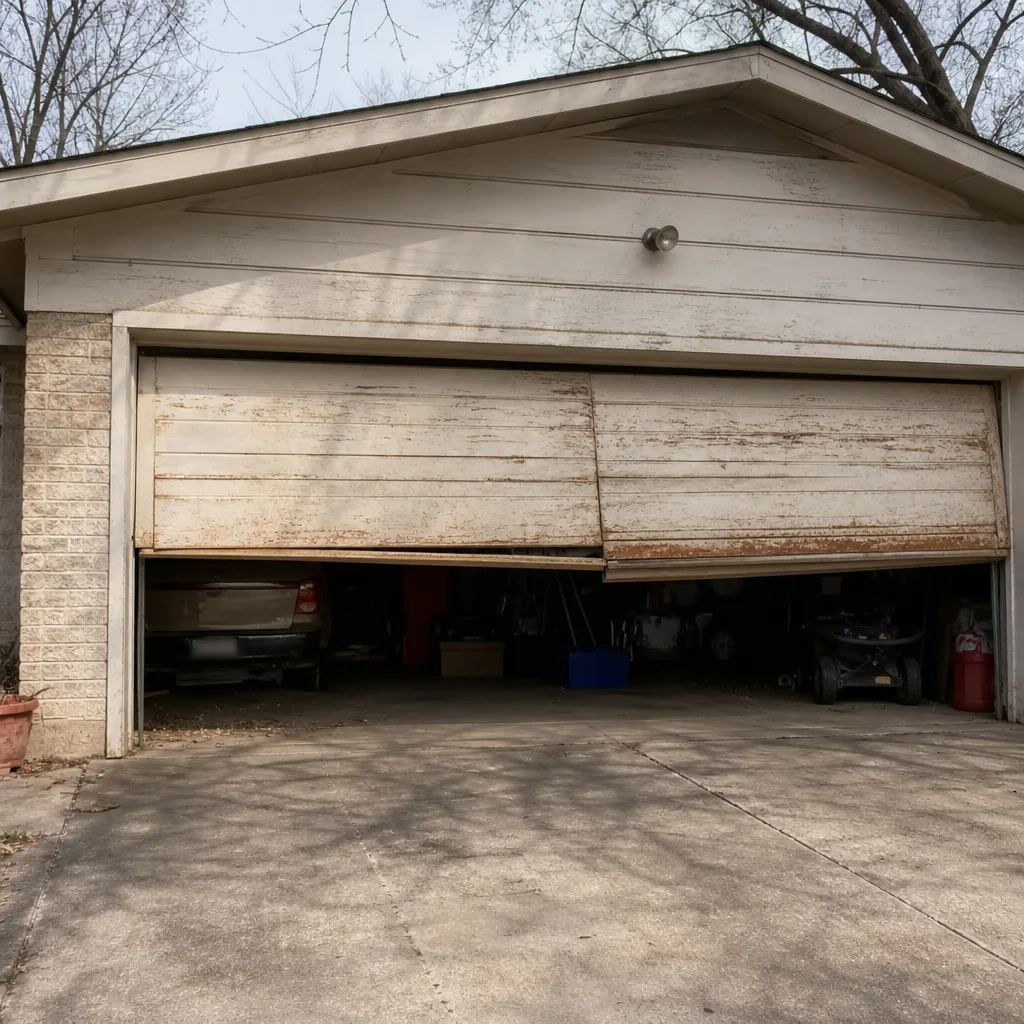 Before
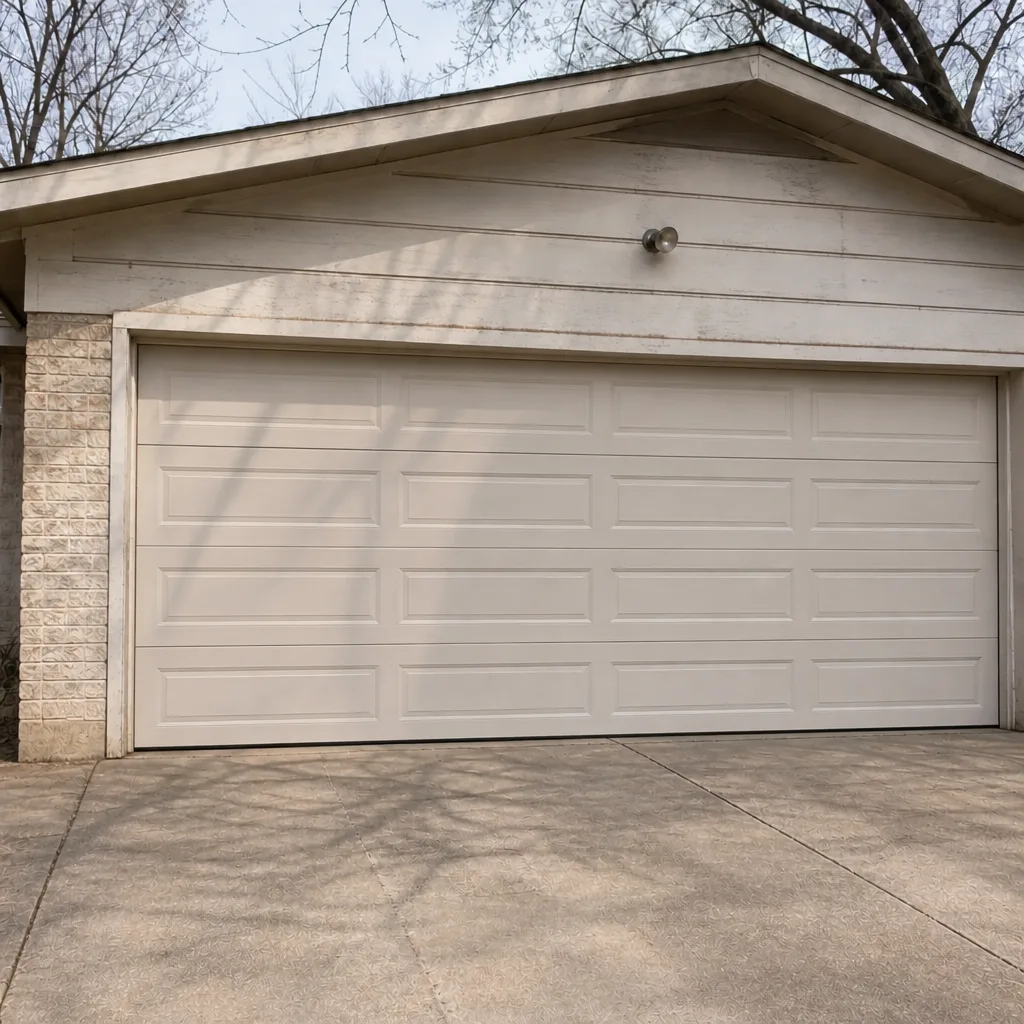 After
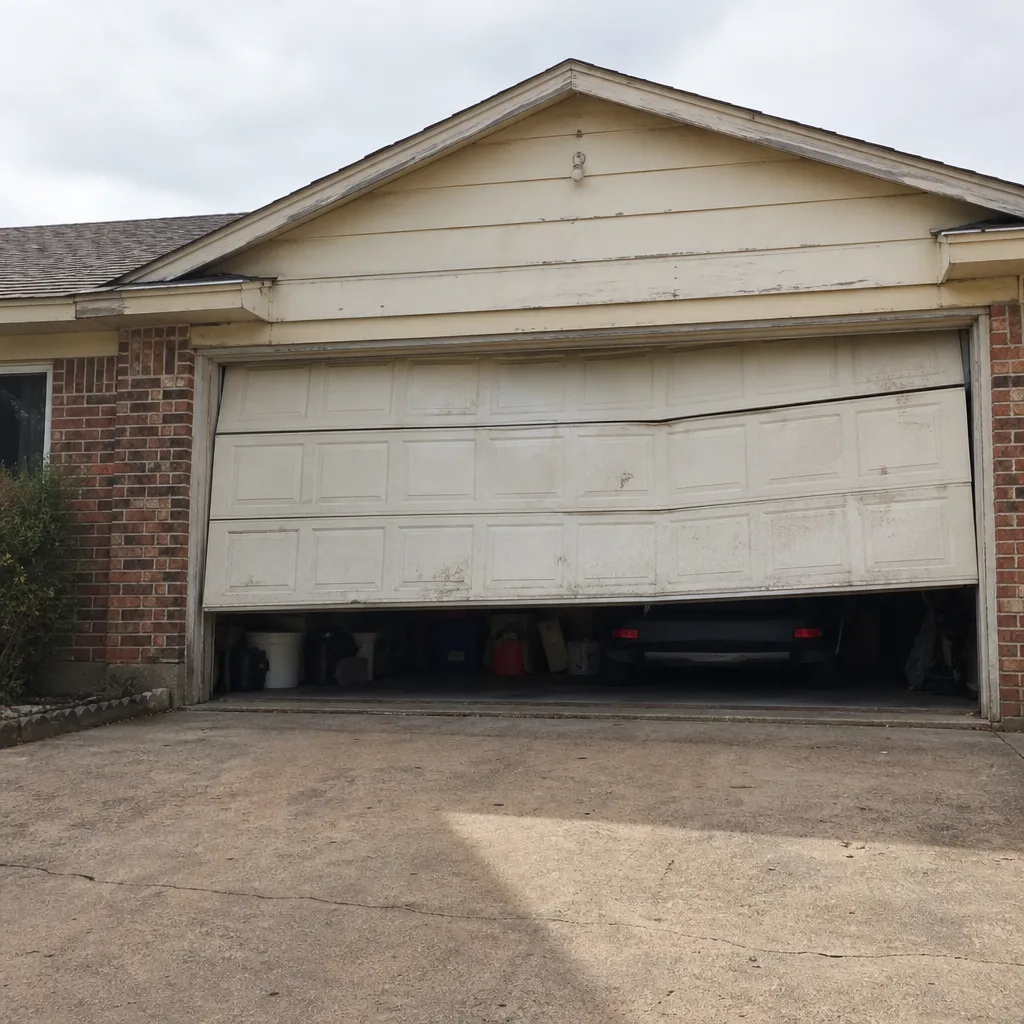 Before
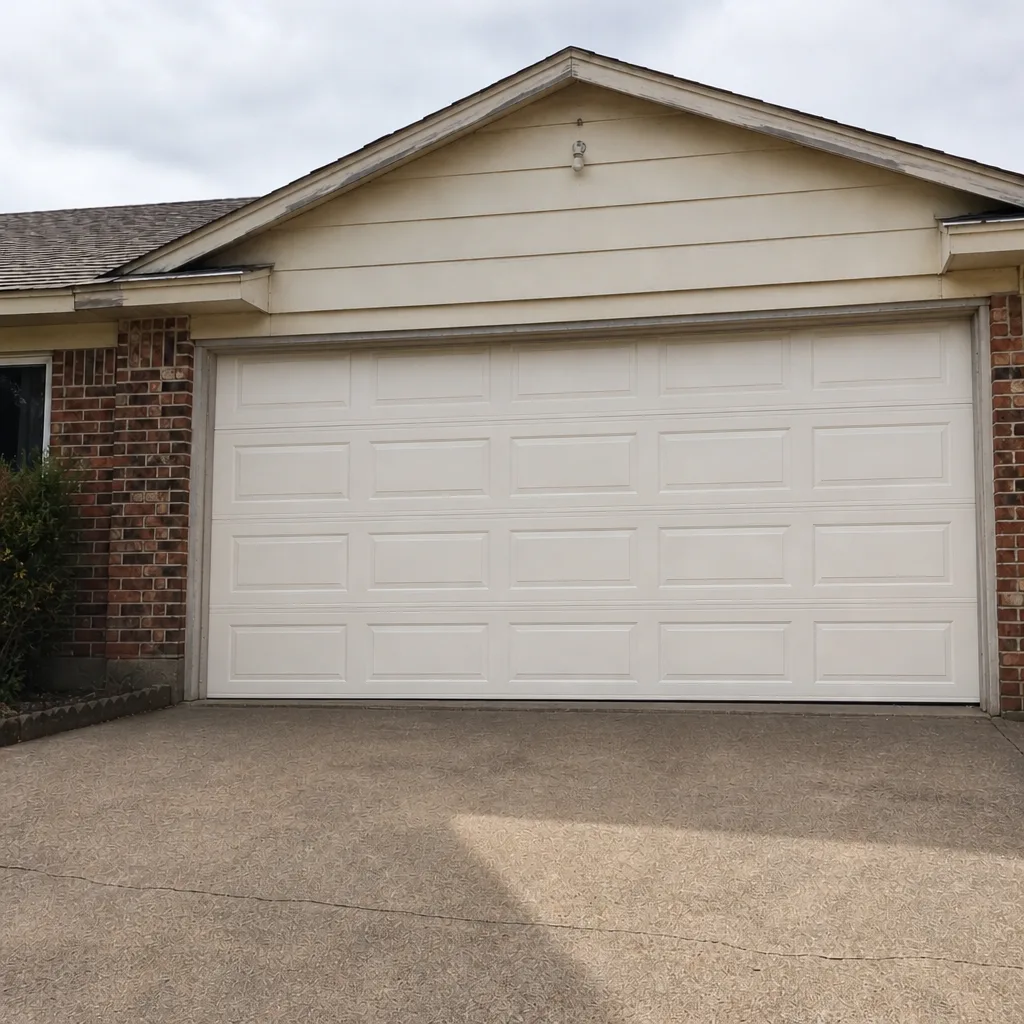 After
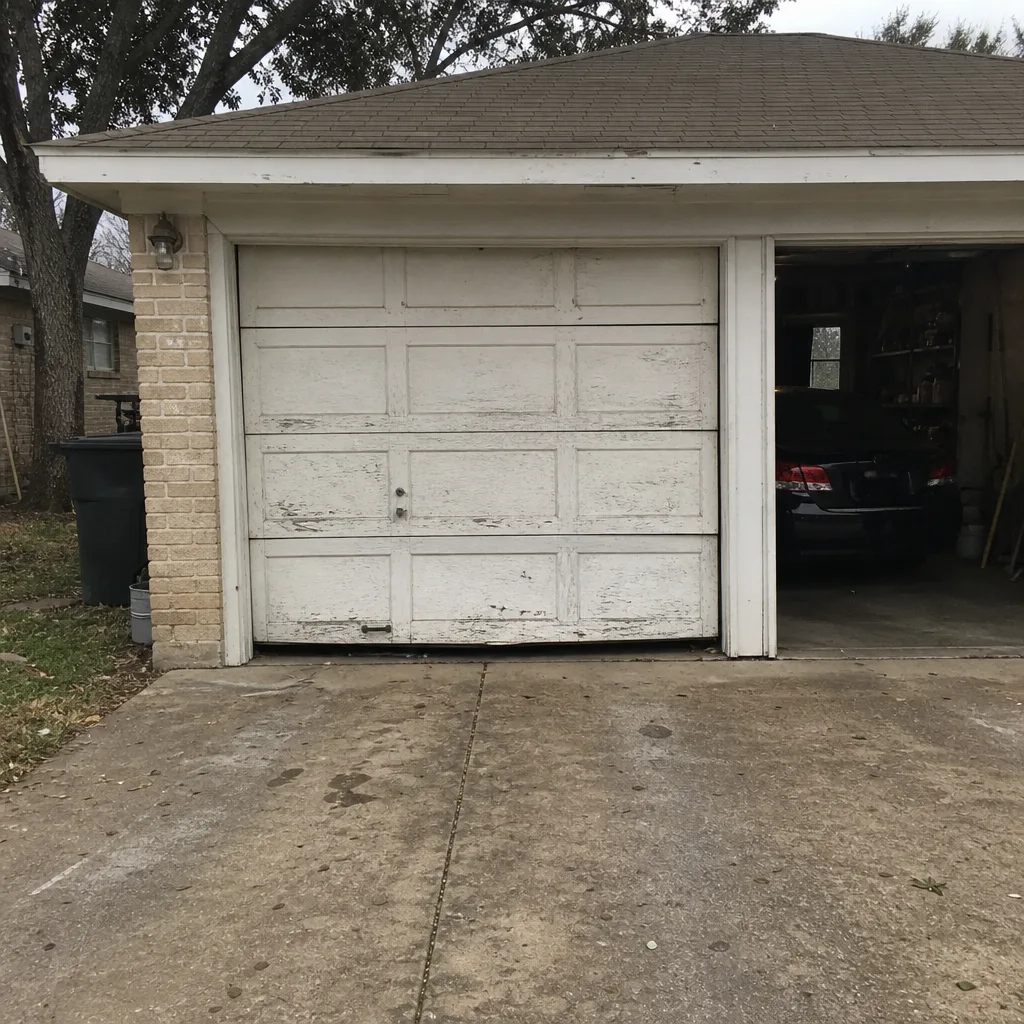 Before
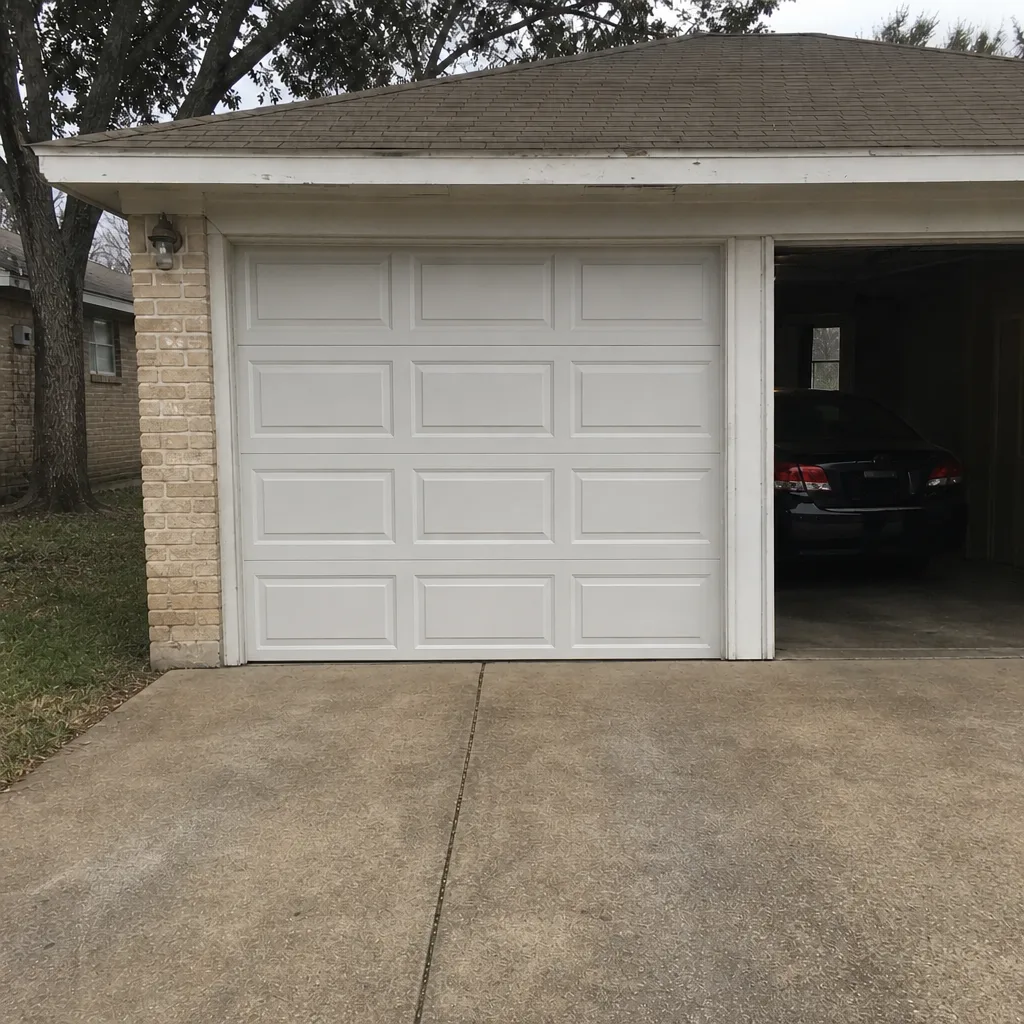 After
When to Call a Professional
Some maintenance is yours to run: the balance test, the safety reversal check, wiping the tracks, lubricating the hinges and rollers, and eyeballing the seals. The rest belongs with a trained technician, and the reason isn’t marketing – it’s safety. Springs and cables are under load that can hurt you, opener electrical work has high-voltage components, and diagnosing a door that’s stiff or noisy needs the right eye. Call a professional when a spring looks or feels wrong, a cable is frayed, the safety reversal fails, the door is off its tracks, the opener hums or grinds, or the door fails the balance test consistently. Those point to something that a routine won’t fix. If you’re in doubt, a check is cheap insurance against a much bigger repair. Hayden Garage Door Repair offers free estimates in Wichita Falls – call (844) 524-5488. We answer 24/7, with fast dispatch from 7am to 7pm, Sunday through Friday.
Frequently Asked Questions
Aim for a meaningful inspection about twice a year, plus a 90-second balance test monthly. The twice-yearly visit covers rollers, hinges, tracks, seals, and opener checks, while the monthly balance test catches weakening springs early. In our hot summers, the balance test through the summer months is especially worth the two minutes. If your door is high-use, lean toward the more frequent end of that range. Call (844) 524-5488 for a free estimate if anything looks off between services.
No. The rollers are designed to roll along the track, not slide, and lubricant attracts dust, grit, and grit that gum up the rollers and make the door drag. Clean the tracks with a dry cloth and keep them free of grease. Lubricate the hinges, lightly oil metal rollers, and oil the opener’s chain pivot points instead. If you want to know what to use where, call us – the estimate is free.
Because springs are rated by cycles, not by time or by how much you lubricated them. A household with several drivers can use up a spring’s rated cycles in a handful of years, while a lighter-use home gets more years from the same spring. Lubrication doesn’t extend spring life – it keeps the door moving quietly, but the spring itself wears down every cycle regardless. When the cycle count runs out, the spring fails. For a free estimate on spring service, call (844) 524-5488.
The 90-second balance test. Disconnect the opener, lift the door about halfway, and let go. A balanced door holds position; a door that sinks or climbs on its own signals a spring under- or over-tension. Do not adjust the spring yourself – that’s a trained-technician job. The test tells you whether it’s time to call, and calling early usually means a planned service instead of a trapped car. Estimates are free; call (844) 524-5488.
If the door feels heavy or slams, it’s usually the springs, cables, or rollers – not the opener. Reversing the situation: if the opener hums without moving the door, or grinds, or hesitates, the problem is on the opener side. A quick balance test separates the two. If it’s an opener issue, that’s electrical work for a trained technician. Our garage door opener repair service is built for exactly this. Free estimates – call (844) 524-5488.
Yes, a little. Cold stiffens lubricant and contracts metal, so re-lubricate hinges and rollers with something that stays workable in cold and check the safety reversal again. Before summer, clean the tracks and confirm the door runs freely as metal expands. Two small seasonal routines, at the shift into heat and the shift into cold, do most of the work. If a door is dragging in either season, call (844) 524-5488 for a free estimate.
The Bottom Line
A garage door maintenance schedule only works when it respects how each part actually ages. Real wear parts – springs, cables, rollers – go by cycles, not by months, so a busy household and a quiet one need different attention. Rubber and lubricated parts go by the calendar, with two small routines at the seasonal shifts. Run the 90-second balance test monthly, keep tracks dry and hinges lubed, and stop for any spring, cable, or safety-reversal warning. Everything else is a call. If you’re in Wichita Falls and want a professional eye on your door or opener – Wichita Falls homeowners know our name – Hayden Garage Door Repair offers free estimates. Whether it’s the door, the opener, or both, garage doors are all we do. Call (844) 524-5488. We answer 24/7. Fast dispatch from 7am to 7pm, Sunday through Friday. We work on the brand you already have, so your Genie, Clopay, Amarr, or Wayne Dalton system is in good hands.
Written by the team at Hayden Garage Door Repair.