
Last updated November 15, 2026
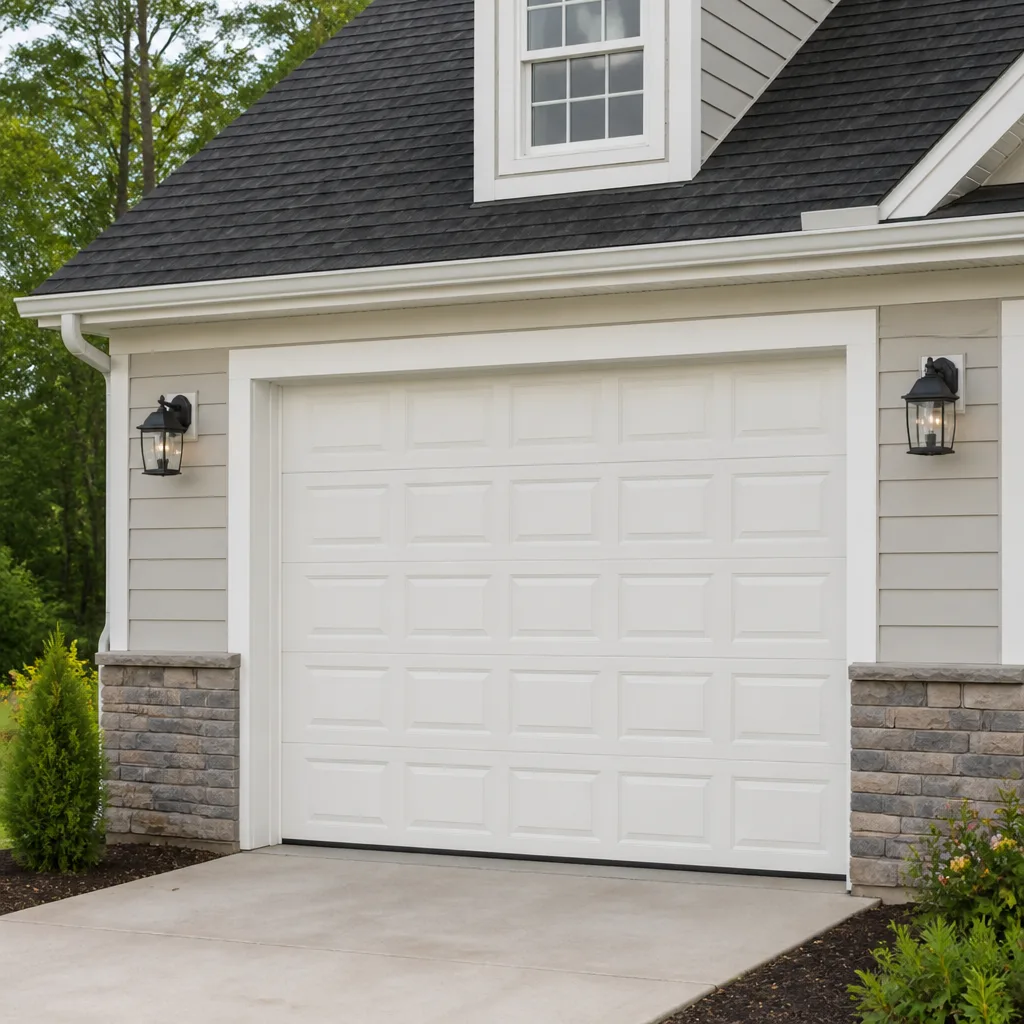 Raised-panel steel
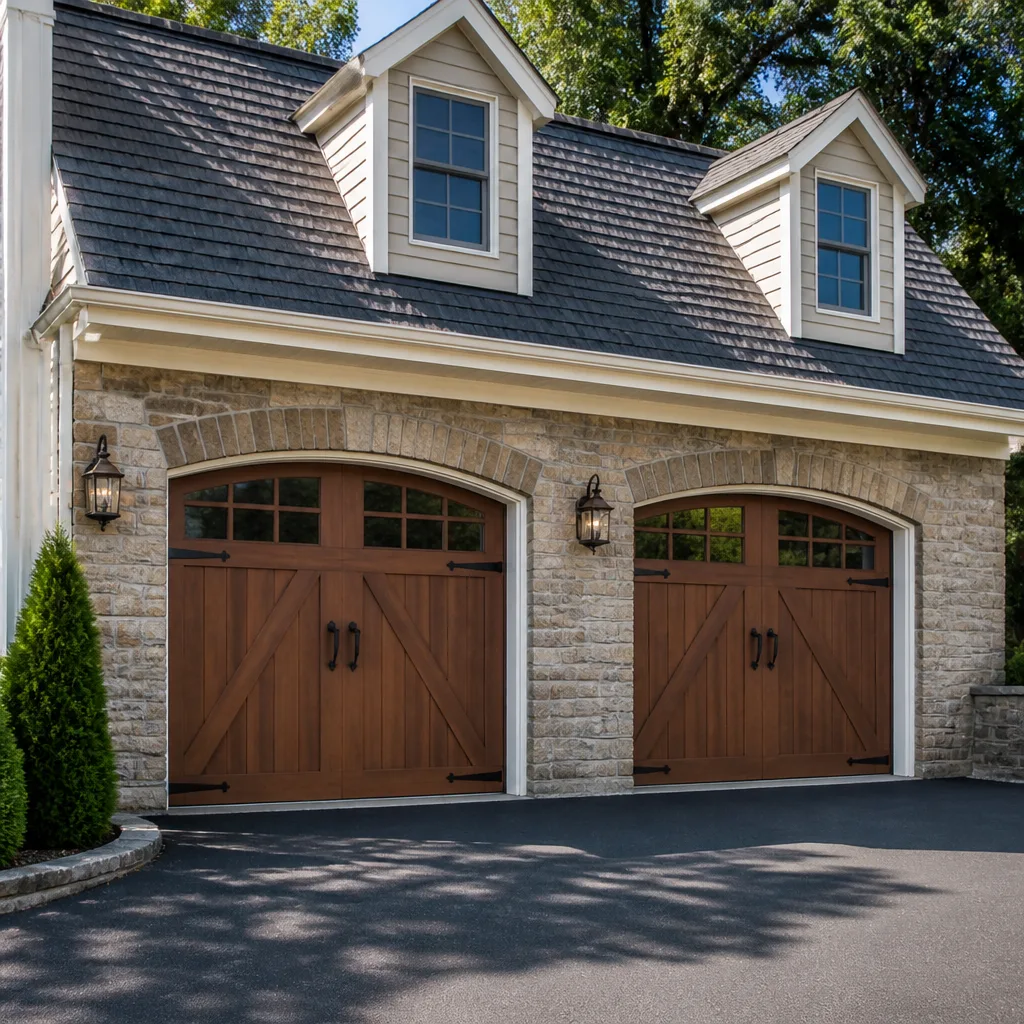 Carriage house
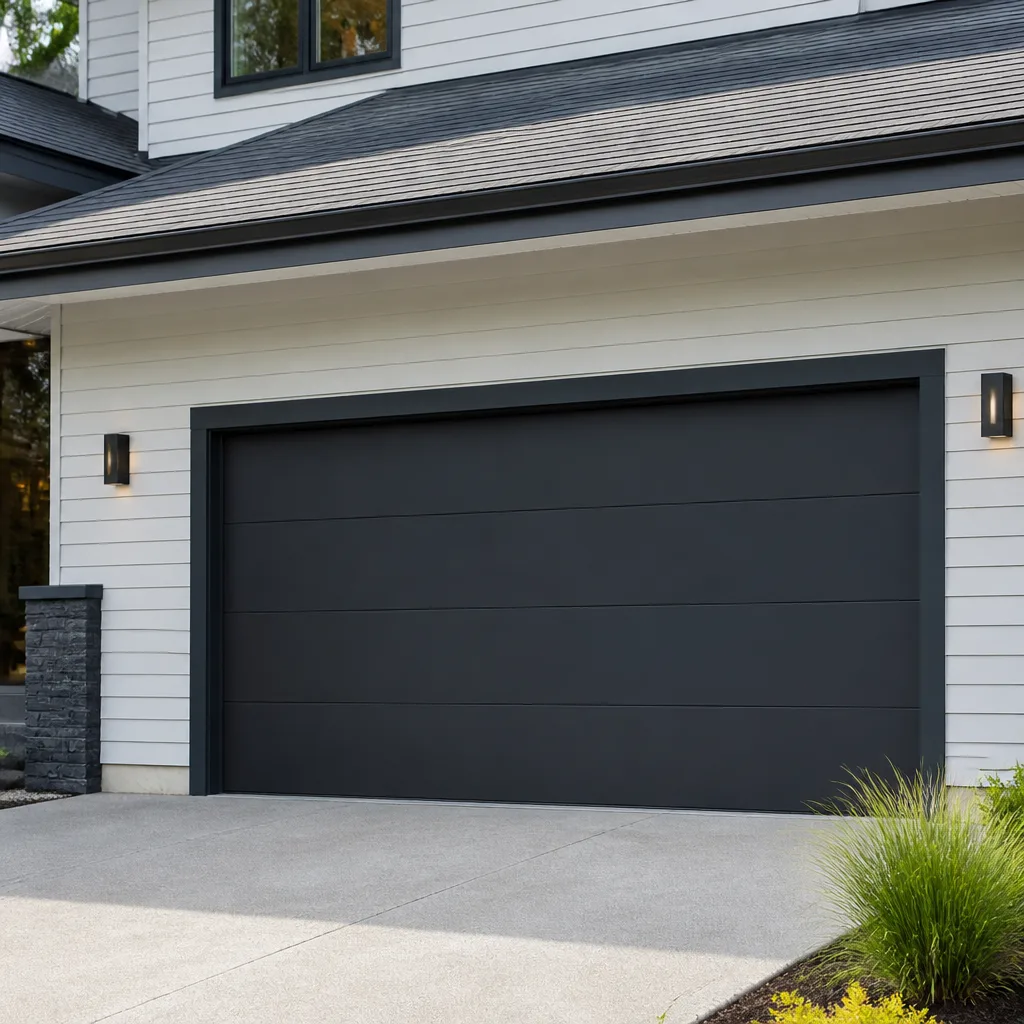 Modern flush
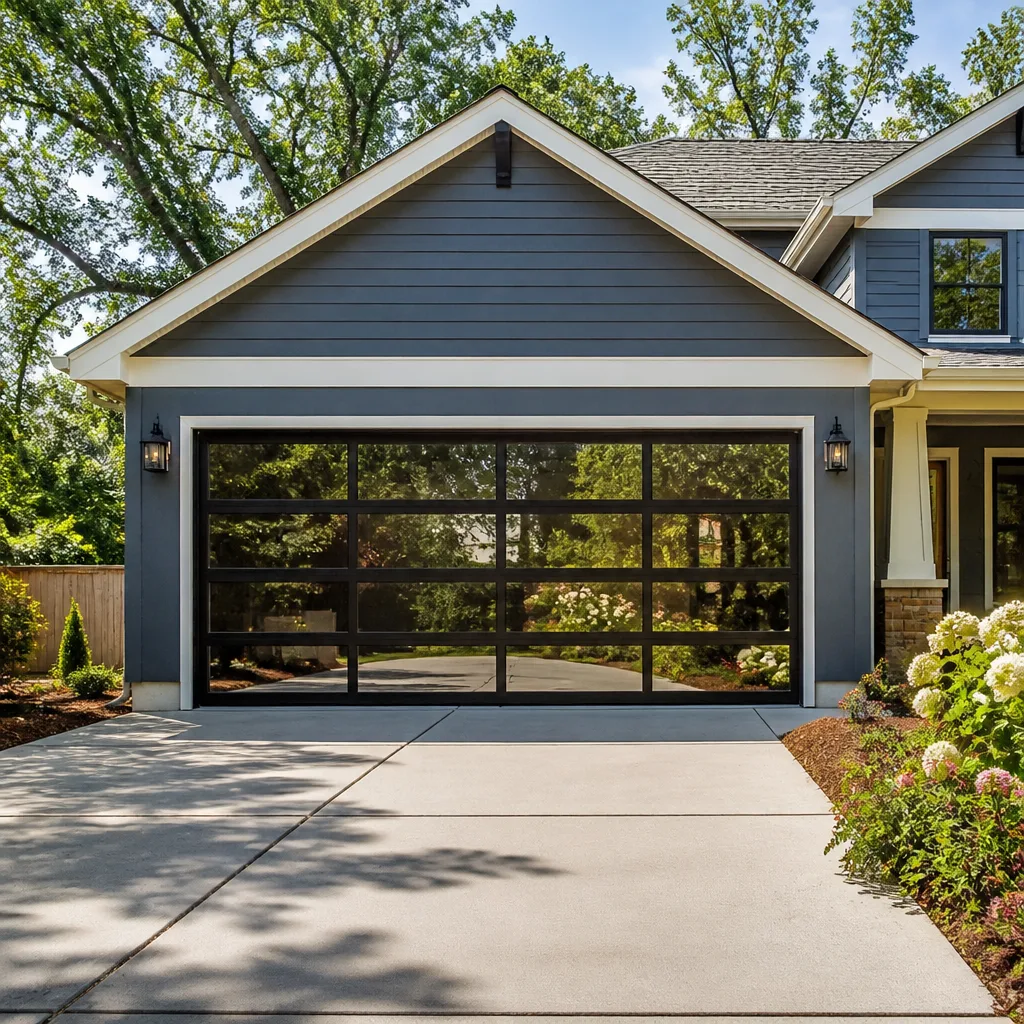 Full-view glass
 LiftMaster openers
 Chamberlain openers
Full 25-point door and opener safety check with every visit - springs, cables, rollers, tracks, and your LiftMaster or Chamberlain opener included
You get a price before we start. It does not change when the pro arrives.
Get your free estimateGarage Door Repair Troubleshooting in Wichita Falls: Common Problems and How to Fix Them
A door that reverses halfway down and a door that won’t budge at all look like two completely different failures. Most of the time they aren’t. A misaligned safety sensor can produce either symptom, and that’s exactly why homeowners end up buying a new opener when a two-minute sensor adjustment would have done the job. The same mix-up plays out with springs, limit switches, and remote controls every week in Wichita Falls garages. This guide maps the five failure patterns we see most often to their real root causes, shows you which fixes are safe to handle yourself, and tells you plainly where to draw the line.
Quick Answer
Most garage door problems in Wichita Falls come down to one of five causes: safety sensor misalignment, a worn or broken spring, a limit switch that has drifted out of adjustment, dry or failing rollers and hinges, or a battery or signal issue in the opener or remote. You can safely clean and realign sensors, lubricate a door, and replace remote batteries yourself. Spring and cable work, and most opener internals, belong to a trained technician.
Styles & brands we work with
- Raised-panel steel
- Carriage house
- Modern flush
- Full-view glass
- LiftMaster openers
- Chamberlain openers
Table of Contents
- The Five Failure Patterns That Explain Most Wichita Falls Garage Door Problems
- Symptom-to-Cause Map: What Your Door Is Telling You
- How North Texas Heat and Dust Change Garage Door Wear in Wichita Falls
- Opener Error Codes: Reading LiftMaster and Chamberlain Blink Patterns
- What You Can Safely Fix Yourself vs. What Needs a Technician
- When a DIY Fix Makes the Problem Worse
- Springs and Cables: Why We Never Recommend DIY on These
- Preventive Checks That Keep a Wichita Falls Garage Door Running
The Five Failure Patterns That Explain Most Wichita Falls Garage Door Problems
Almost every garage door failure we diagnose fits one of five patterns. Sorting your door into the right pattern narrows the cause before anyone picks up a tool. That’s the core of what a specialty company brings to a repair. Hayden Garage Door Repair works on nothing but garage doors, so the diagnostic path from symptom to fix is short and worn-in.
Here are the five patterns and what typically sits behind each:
- The door won’t open or close at all. Usually a power interruption, a tripped safety sensor, a dead opener motor, or a broken spring that has left the opener fighting weight it can’t lift.
- The door reverses before it reaches the floor. Almost always a sensor issue, a small obstruction under the door, or a limit switch that has drifted just far enough to stop the door short.
- The door is noisy. Dry rollers, worn hinges, loose hardware, or a torsion spring that has lost tension and is forcing the opener to work harder.
- The door moves slowly or unevenly. A weakening spring, a binding track, or an opener that is nearing the end of its life and struggling to push a door it used to move easily.
- The door opens on its own. A shorting wall control, a remote with a stuck button, a neighbor’s remote on the same frequency, or a logic board that has failed and is sending false signals.
Knowing which pattern you’re in tells you two things fast: how serious the problem is, and roughly whether it’s a low-cost fix or a repair worth scheduling with a technician. From there, the symptom-to-cause map below gets more specific.
Symptom-to-Cause Map: What Your Door Is Telling You
The symptom is the door’s way of telling you where the problem is. Read it carefully before you search for parts. Here’s how the most common symptoms map to their real causes in a Wichita Falls garage.
- Door reverses immediately after starting to close: safety sensor misalignment, dirt on the sensor lens, or an object in the sensor beam. Check the sensors first; this is the most common cause by a wide margin.
- Door opens a few inches and stops: a limit switch or travel setting on the opener that has moved out of adjustment, often from vibration or temperature swings.
- Door is very heavy to lift by hand: a broken torsion spring or an extension spring that has lost tension. If the door feels this way, stop using the opener; you risk burning out the motor.
- Door is unbalanced, one side sagging: a stretched cable, a worn roller, or a torsion spring that has lost tension unevenly.
- Opener runs but the door doesn’t move: a broken spring, a disconnected emergency release, or a stripped gear inside the opener unit.
- Door won’t respond to remote but the wall switch works: remote battery, a stuck button, or a signal interference issue.
- Grinding or screeching sound while moving: dry or worn rollers and hinges, or metal-on-metal contact in the track.
One symptom can come from more than one cause, and that’s where a quick on-site diagnosis saves the most money. It’s also why a brand-agnostic specialist matters: garage door repair starts with the door you have, not the brand a technician prefers to sell. Whether the problem sits in the door mechanism or the opener unit, sorting it correctly the first time is the point. Our technicians have up to 10 years of experience diagnosing exactly these patterns, and they’re already familiar with how LiftMaster, Chamberlain, Genie, Clopay, Amarr, Wayne Dalton, Craftsman, and Raynor systems fail.
How North Texas Heat and Dust Change Garage Door Wear in Wichita Falls
Garage doors here live a different life than a door in a milder climate. North Texas heat and blowing dust work on garage door components in a way that most troubleshooting guides written for a national audience miss entirely. Understanding that difference helps you read the symptoms correctly.
Here’s how the local climate affects each part of the system:
- Torsion springs: Heat cycling expands and contracts the metal, and over time that works tension out of the spring faster than a stable climate would. A door that sounds like it’s straining in summer is usually telling you the spring is tired, not that the opener is weak.
- Safety sensors: Dust collects on the small lenses and drifts into the bracket seams where the sensors sit. A light film on the lens is enough to break the beam and make the door reverse for no obvious reason.
- Rollers and hinges: Dry heat pulls lubrication off moving parts, and dust settles into the gap. Metal-on-metal contact starts sooner, and the grinding gets louder before anything actually fails.
- Tracks and hardware: Dust and grit act like sandpaper on the rollers and the track surface, so a door that runs smoothly in spring can feel gritty and uneven by late summer.
- Weather seals: Heat hardens the bottom seal and the side weatherstripping, and a stiff, cracked seal lets dust and wind into the garage. A seal that has lost its flexibility stops doing its job.
What this means in practice is that a Wichita Falls garage door benefits from a lubrication schedule and a sensor check more often than a national “once a year” recommendation suggests. If you want to understand the whole system, our Wichita Falls local page covers the service area and what we see most often here.
Opener Error Codes: Reading LiftMaster and Chamberlain Blink Patterns
A blinking light on your opener isn’t random. Most LiftMaster and Chamberlain openers use blink codes to tell you exactly what’s wrong, and the pattern resolves most problems in under a minute of reading. Most homeowners ignore the blinking and go straight to Google, which is where the misdiagnosis begins.
The pattern works roughly like this: count the number of times the light blinks, then count the pause, then the next set of blinks. Two numbers, a short pause, and a repeat. The first number in most LiftMaster and Chamberlain codes points to the sensor or the travel, and the second number narrows the cause. Here’s what the common patterns usually mean:
- A blink pattern that points to the sensors: the safety beam is blocked or the sensors aren’t lined up. Clean both lenses and check the alignment before anything else.
- A blink pattern that points to travel or limits: the door isn’t reaching its open or closed position within the expected time. Usually a limit switch out of adjustment or a door that’s binding.
- A blink pattern that points to the wall control or wiring: a short or a loose connection somewhere on the control line.
- A blink pattern that repeats without a clear pause: often a logic board or power issue and worth a technician’s look.
If your opener is a Genie, the LED code works differently, and the older Craftsman and Raynor units often have their own blink language. Knowing the brand before you call matters: our garage door opener repair team works on the eight brands homeowners actually own, so they know the code language for your unit before they arrive. If the code points to a problem inside the opener, that’s a repair best handled by a technician; the opener’s wiring and capacitor carry enough current to injure someone who isn’t trained.
What You Can Safely Fix Yourself vs. What Needs a Technician
Some garage door fixes are genuinely homeowner-friendly, and some carry real risk of serious injury. The line between them is clear, and it’s worth learning before you grab a ladder. A trained professional handles the dangerous work; everything on the safe list below is yours to do whenever you want.
Here’s what’s safe for most homeowners to handle:
- Clean and realign safety sensors. Wipe the lenses with a soft cloth and check that both sensors face each other squarely. This is the single most common fix and costs nothing.
- Lubricate the door. Put a garage-door-rated lubricant on the rollers, hinges, and track. Never use grease in the tracks; it collects dust and makes the problem worse.
- Replace remote batteries. A weak battery is a frequent cause of a remote that only works up close.
- Test the safety reverse. Put a small object in the door’s path and confirm the door reverses. Adjusting the opener’s travel down-limit is a safe setting change.
- Clear obstructions. Check the track and the floor area for anything that could trip the sensors or bind the door.
Here’s what requires a technician, without exception:
- Spring repair or replacement. Torsion and extension springs are under extreme tension and can cause serious injury if handled by someone without the right tools and training.
- Cable repair. Cables are under the same tension and are just as dangerous.
- Opener electrical work. Wiring, capacitors, and logic boards inside the opener carry a real shock hazard.
- Track replacement and major realignment. A bent or badly misaligned track can cause the door to come off the rollers, which is a dangerous failure.
- Panel replacement and full system diagnosis. If the door is out of balance or binding, the cause needs to be found before the repair is done.
The safety line isn’t about skill; it’s about consequence. A miscue on a sensor costs you five minutes. A miscue on a torsion spring can cost a trip to the emergency room. If you aren’t sure which list your problem is on, that’s a sign to call.
When a DIY Fix Makes the Problem Worse
A temporary fix that seems to work can hide a failure that grows into a bigger repair bill. This is one of the most common patterns we correct in Wichita Falls, and it’s worth understanding before you try to live with a symptom.
Here’s where a quick fix usually goes wrong:
- Disconnecting the opener instead of fixing the door. Pulling the emergency release lets you open the door by hand, but if the problem is a spring or a binding track, you’re now operating a door that’s too heavy for the opener to lift. The opener is the next thing to fail, and it costs more than the spring would have.
- Running the opener on a failing spring. An opener that’s pushing a door with a weak spring works harder every cycle. The motor wears out, the gear strips, and the repair now includes both the spring and the opener.
- Boosting the opener’s force setting to push through a binding door. Increasing force can force a door past a blockage, which can bend a panel or snap a cable. The blockage is still there; it’s just now causing damage.
- Spraying grease into the tracks. Grease collects dust and grit, and a gritty track wears the rollers out faster than a dry one.
- Bending the sensor brackets to “aim” them. A bent bracket moves the sensor out of alignment with the door’s travel, and it can break at the mounting point.
Each of these fixes does the same thing: it hides the symptom while the actual cause gets worse. When a problem isn’t resolved, a second, larger repair is usually what comes next. Getting a proper diagnosis on the first visit is cheaper than fixing two problems after the first fix has failed. That’s why we treat diagnosis as the core of the job, not a step to rush. Our technicians have up to 10 years of experience with each of the eight brands we service, so they measure the door and read the symptom before deciding on a fix.
Springs and Cables: Why We Never Recommend DIY on These
Spring repair and cable work are the two jobs where the danger is real and the margin for error is zero. This isn’t a caution we add to every repair page. It’s a hard line in this trade. Here’s why.
Two things make the danger what it is:
- The tension is enormous. A garage door spring holds enough tension to lift a door that weighs well over a hundred pounds, and it stores that energy while it sits. A spring that slips or fails under a hand is a serious injury waiting to happen.
- A broken spring leaves the door unsupported. Without a working spring, the door can come down hard. If anyone is under it, that’s a serious risk, and the opener won’t help because it isn’t meant to carry the door’s weight alone.
Cables are just as serious. A cable under tension that slips or snaps can whip, and a door that loses a cable can come off its track. If you suspect a spring or cable problem, stop operating the door, keep anyone from walking under it, and call for a trained technician. Don’t try to lift the door by hand to test it, and don’t try to tighten anything on the spring or cable assembly. A trained professional has the winding bars, the clamps, and the experience to do the job safely. If you aren’t sure whether the problem is a spring or a cable, that’s fine; a technician can tell in a few minutes, and the diagnosis is included in the estimate.
Preventive Checks That Keep a Wichita Falls Garage Door Running
Most of the failures in this guide give warning signs first. A few simple checks catch them before they turn into a mid-morning call. Here’s what’s worth doing on a schedule, especially in a climate where heat and dust push back against the mechanism.
- Test the safety reverse monthly. Put a small box in the door’s path and confirm the door reverses. If it doesn’t, check the sensors first.
- Wipe the sensor lenses every few weeks. A dry cloth on both lenses keeps the beam clear. This is the single most effective habit in a dusty climate.
- Lubricate the moving parts twice a year. Rollers, hinges, and the track get a garage-door-rated lubricant; never grease. In summer heat, a Wichita Falls door may benefit from a check more often.
- Listen for changes. A new grind, a rattle, or a slower cycle is a warning. Note which part of the travel it happens on and check that area.
- Look at the springs. A gap in a torsion spring or a stretched extension spring with visible separation signals the spring is done. Don’t touch it; call a technician.
- Check the weather seal. A stiff or cracked bottom seal lets dust in and is easy to spot from the outside. Replace it before the door is asked to seal against weather it isn’t shaped for.
These checks take a few minutes and catch most problems before they strand a car. If something you find doesn’t match anything on this page, that’s the moment to call for a proper look. Fixed issues are cheaper than failed ones, and the point of troubleshooting is to stay ahead of the failure.
Common Mistakes to Avoid
- Buying a new opener before checking the sensors. A sensor issue causes the same symptoms as a failing opener, and the sensors are free to clean. Check them before you spend money on a motor you probably don’t need.
- Ignoring the blinking light. Your LiftMaster or Chamberlain is telling you the answer. Reading the blink pattern first usually saves the cost of a service visit.
- Using the emergency release as a permanent fix. If the door is too heavy to lift by hand, the spring or the balance is the problem. A door left on the manual release means the opener isn’t doing its job and the weight is only getting worse.
- Increasing the opener’s force setting to push through a binding door. This forces the door past a blockage and can bend a panel or snap a cable. Fix the cause, not the symptom.
- Letting dust build up on the sensors through a Wichita Falls summer. The heat and dust here make sensor drift more common than in a milder climate, and a five-second wipe prevents most of it.
- Skipping lubrication because the door “seems fine.” Dry heat pulls oil off the moving parts, and by the time the door gets loud, the rollers and hinges are already wearing out.
- Trying to save money on a spring by handling it themselves. A spring is under real tension, and a mistake is a serious injury. This is the one job where the savings aren’t worth the risk.
See the difference
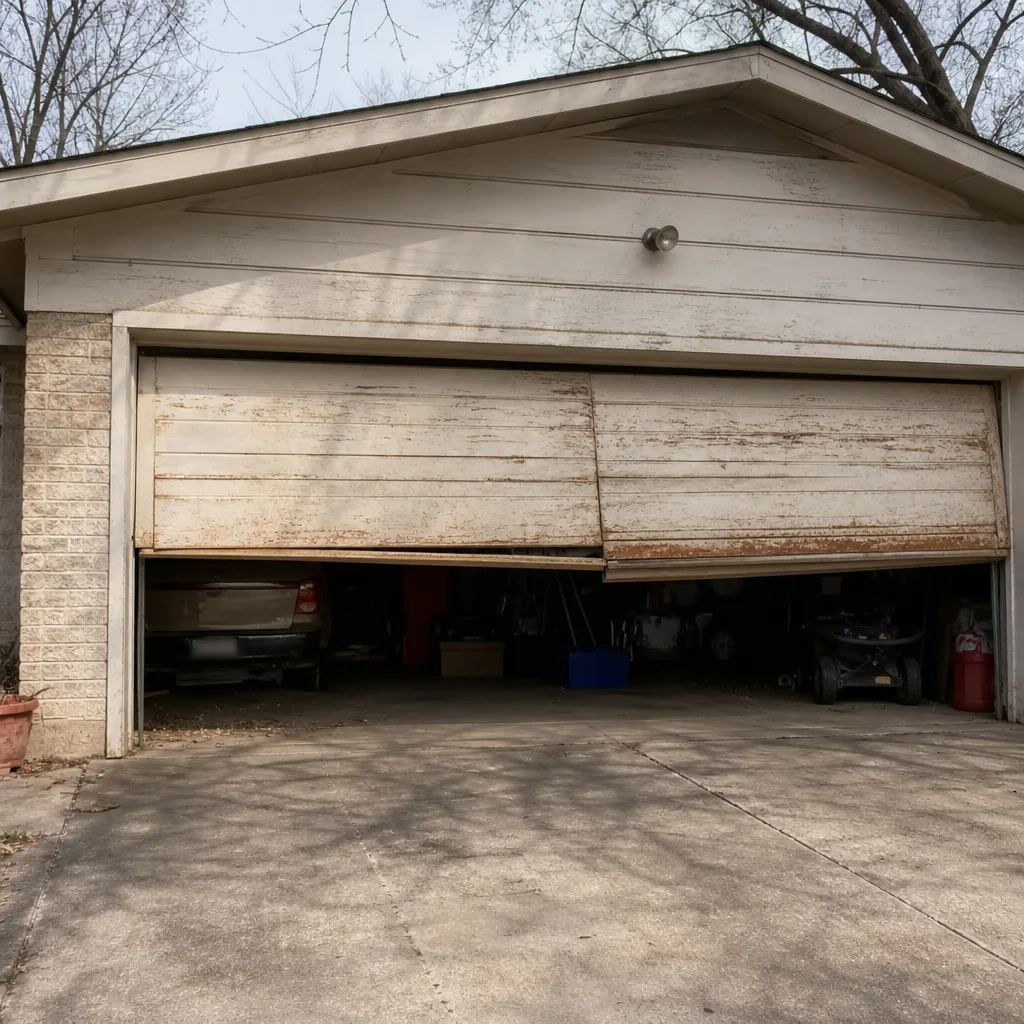 Before
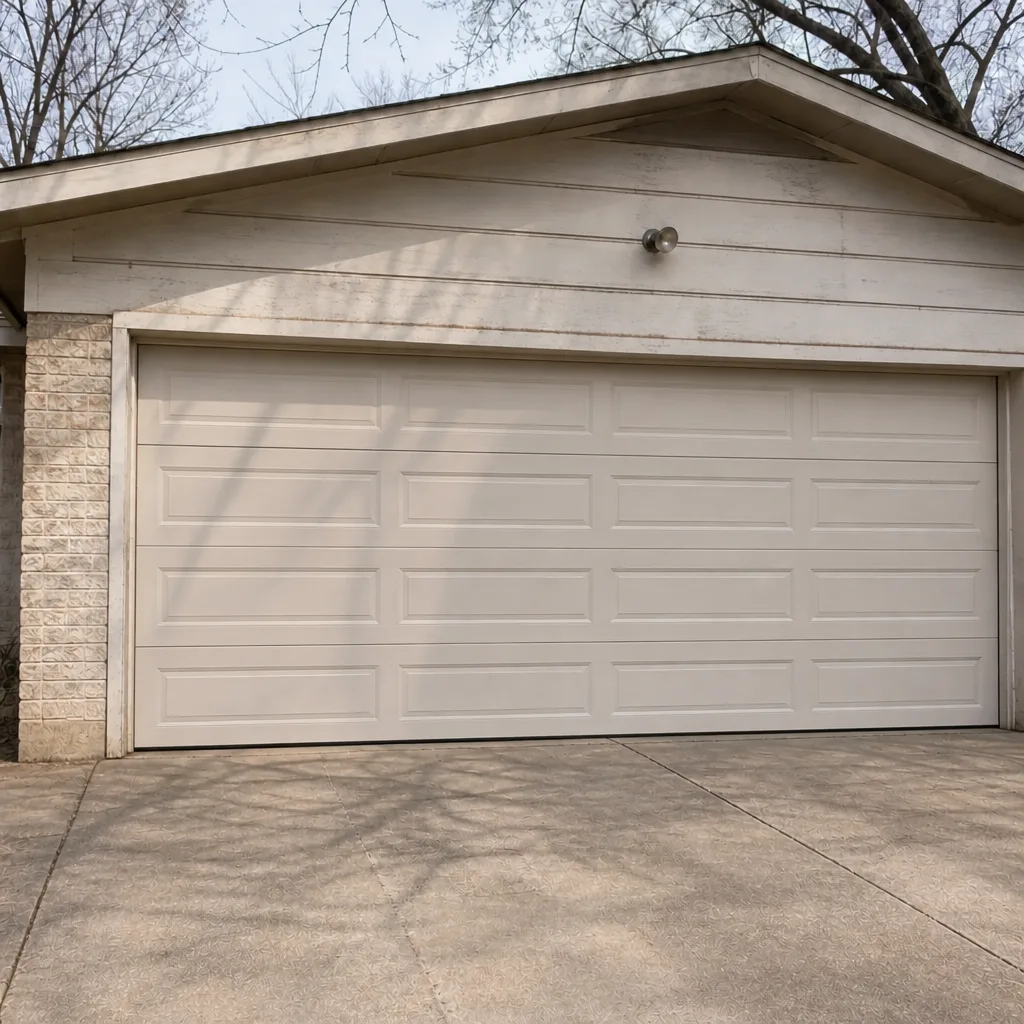 After
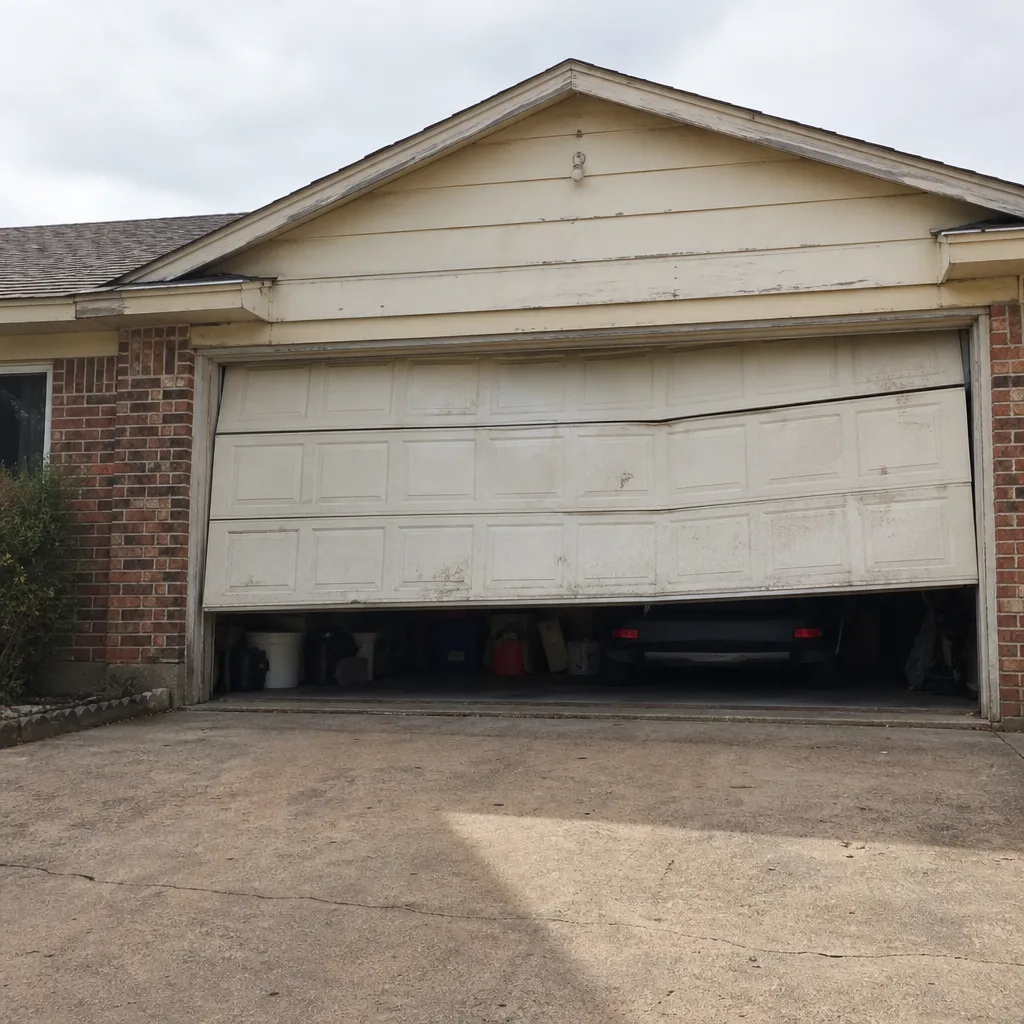 Before
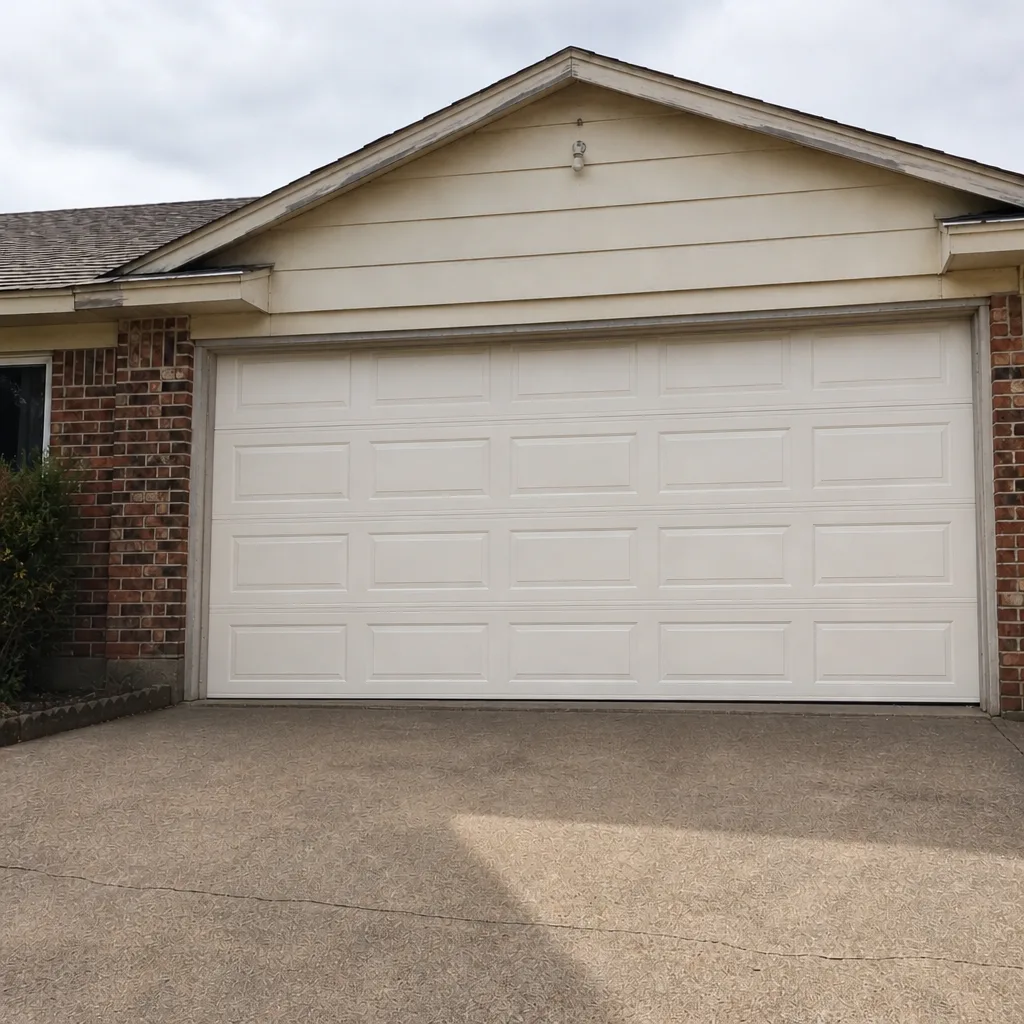 After
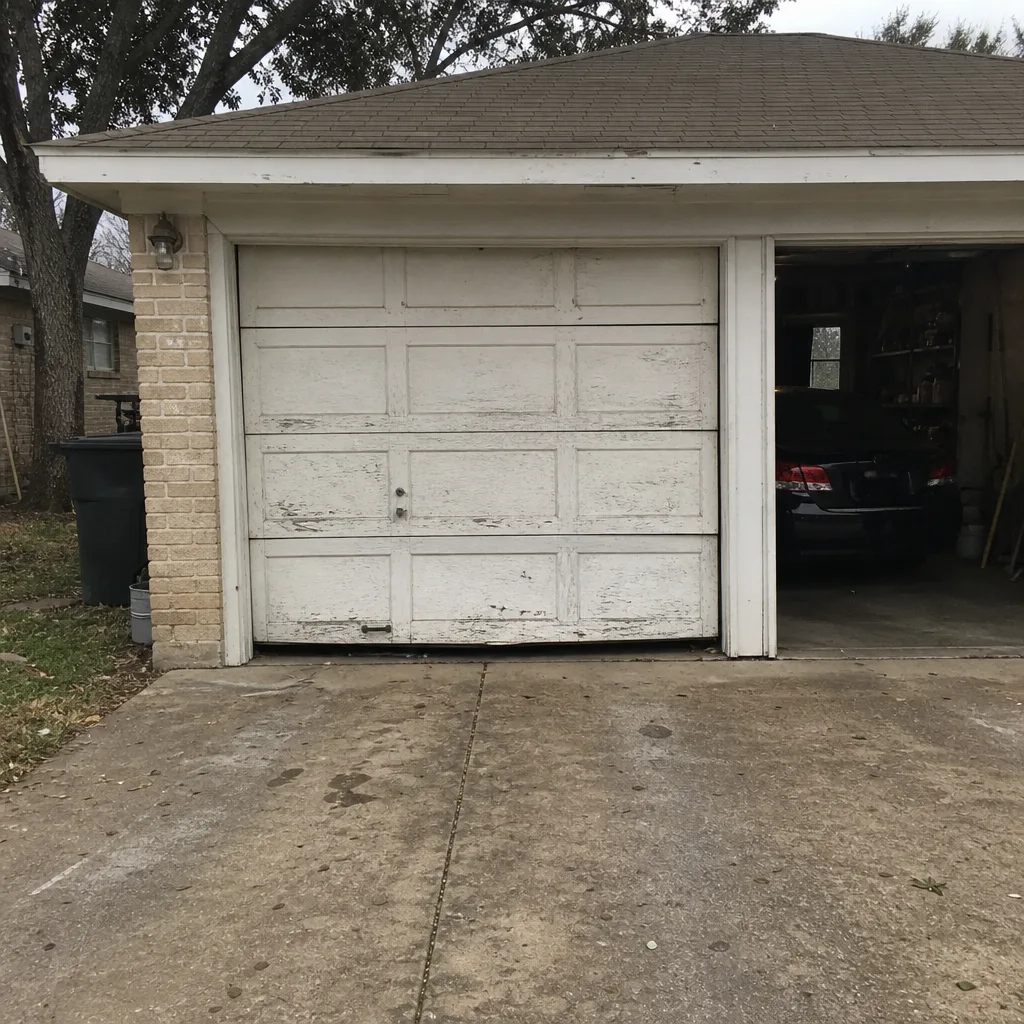 Before
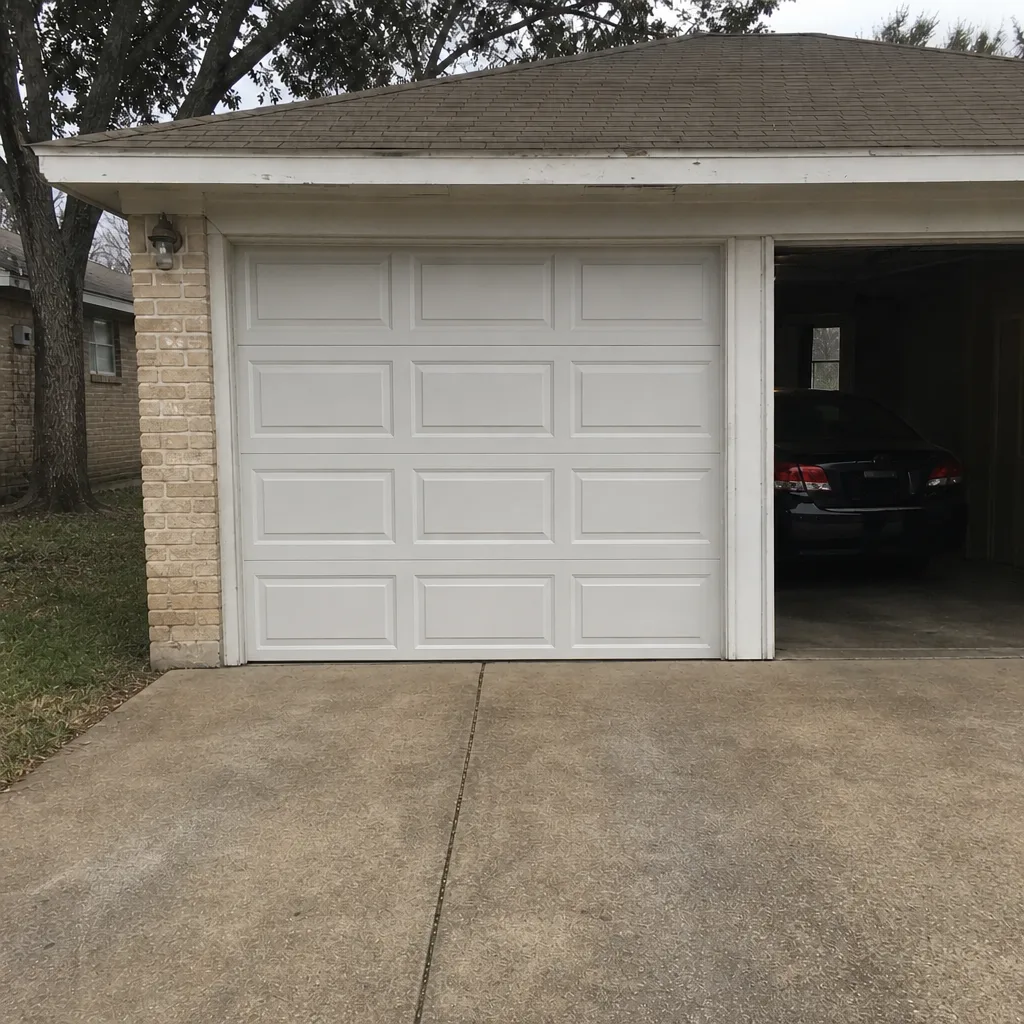 After
When to Call a Professional
Call a professional when the door won’t move safely, when the door is heavy to lift by hand, when a spring or cable is broken or looks damaged, when the opener has an error code you can’t trace past the sensors, when the door won’t stay balanced or comes off the track, or when a DIY fix has already failed once. Those are the moments when the diagnosis is the main job, not the part swap.
The pattern in this guide should make the decision easier. If you sorted your problem into one of the five failure patterns and it lands on the pro side of the safety line, the next step is a call. Hayden Garage Door Repair offers free estimates in Wichita Falls. Call (844) 524-5488 for an exact quote. Estimates are free, and the price is quoted and agreed before any work starts. We answer 24/7. Fast dispatch from 7am to 7pm, Sunday through Friday. We’re closed Saturdays.
Frequently Asked Questions
It depends on which of the five failure patterns you’re in. A sensor realignment or limit adjustment is at the low end; a spring replacement or opener repair sits higher because it takes more time and parts. You get a written estimate before any work starts, so the number is set before the first tool comes out. Call (844) 524-5488 for an exact quote on your door.
Often, yes. Same-day service is available for repair calls, and we dispatch Sunday through Friday from 7am to 7pm. If the call comes in outside dispatch hours, it books into the next opening. Call (844) 524-5488, and we’ll tell you the soonest slot for your Wichita Falls address.
Usually not. A door that reverses before closing is most often a safety sensor issue: dust on the lens, a misaligned bracket, or something in the beam. Clean and check the sensors first. If the door still reverses, it’s worth a technician’s look. Call (844) 524-5488 if the sensor check doesn’t solve it.
No. We quote the price from what we find, put it in writing, and get your agreement before any work starts. If the diagnosis turns up a second issue, we tell you before touching it and re-quote, so there’s no surprise on the invoice. Call (844) 524-5488 for a free estimate.
Our technicians are experienced professionals who work on the eight brands we service, and they’re equipped for the job. We don’t publish a license or insurance number until it’s verified, so we won’t quote one here. What we can say is that the work is done by technicians with up to 10 years of experience on your brand. Call (844) 524-5488 with any questions.
An opener that opens on its own is usually getting a false signal: a wall control with a stuck button, a remote with a jammed button, a neighbor’s remote on the same frequency, or a logic board that’s sending bad commands. Start by pulling the battery from any spare remotes and checking the wall control. If the door still opens on its own, that’s a technician’s call. Call (844) 524-5488.
The Bottom Line
Garage door problems in Wichita Falls aren’t random. They fall into five patterns, and each pattern points to a small set of causes. Read the symptom first, check the sensors and the blink codes before you buy parts, handle the safe fixes yourself, and leave springs, cables, and opener internals to a trained technician. The heat and dust here make lubrication and sensor cleaning more important than a national guide suggests, and a few minutes of monthly upkeep heads off most of the failures that strand a car. When the pattern lands on the pro side, a specialist who works on the brand you already own will get you to the right fix faster than a generalist.
If you’re ready for a proper diagnosis, call Hayden Garage Door Repair at (844) 524-5488 for a free estimate in Wichita Falls. Garage doors are all we do, whether the problem is the door, the opener, or both. We answer 24/7. Fast dispatch from 7am to 7pm, Sunday through Friday.
Written by the team at Hayden Garage Door Repair.