
Last updated November 15, 2026
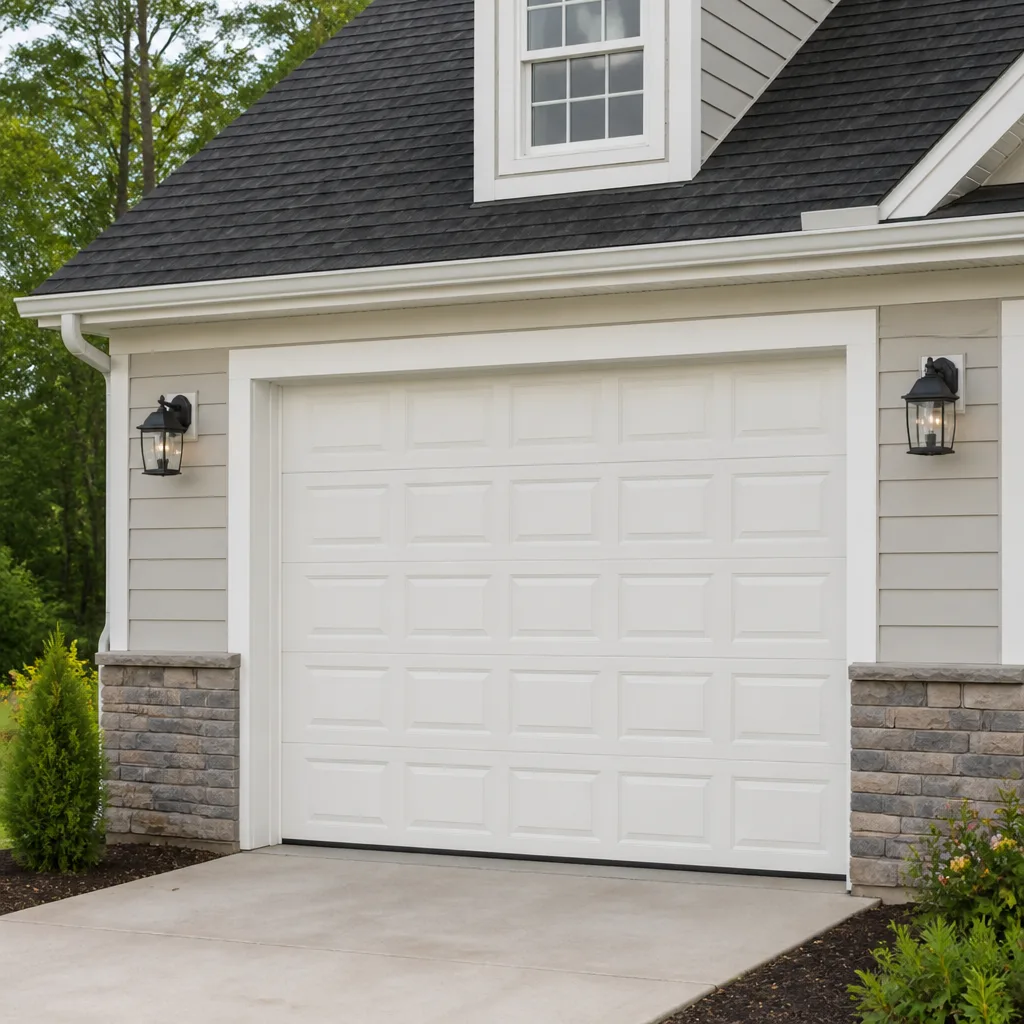 Raised-panel steel
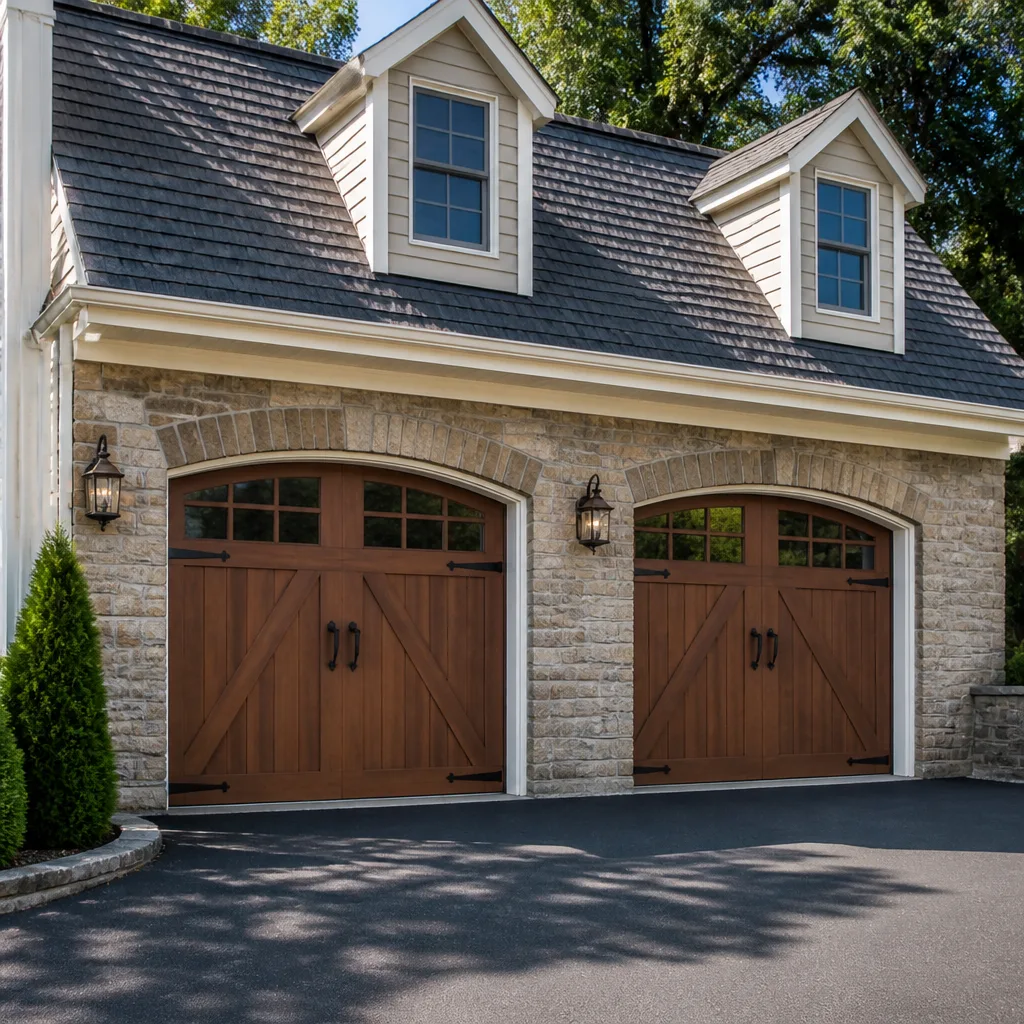 Carriage house
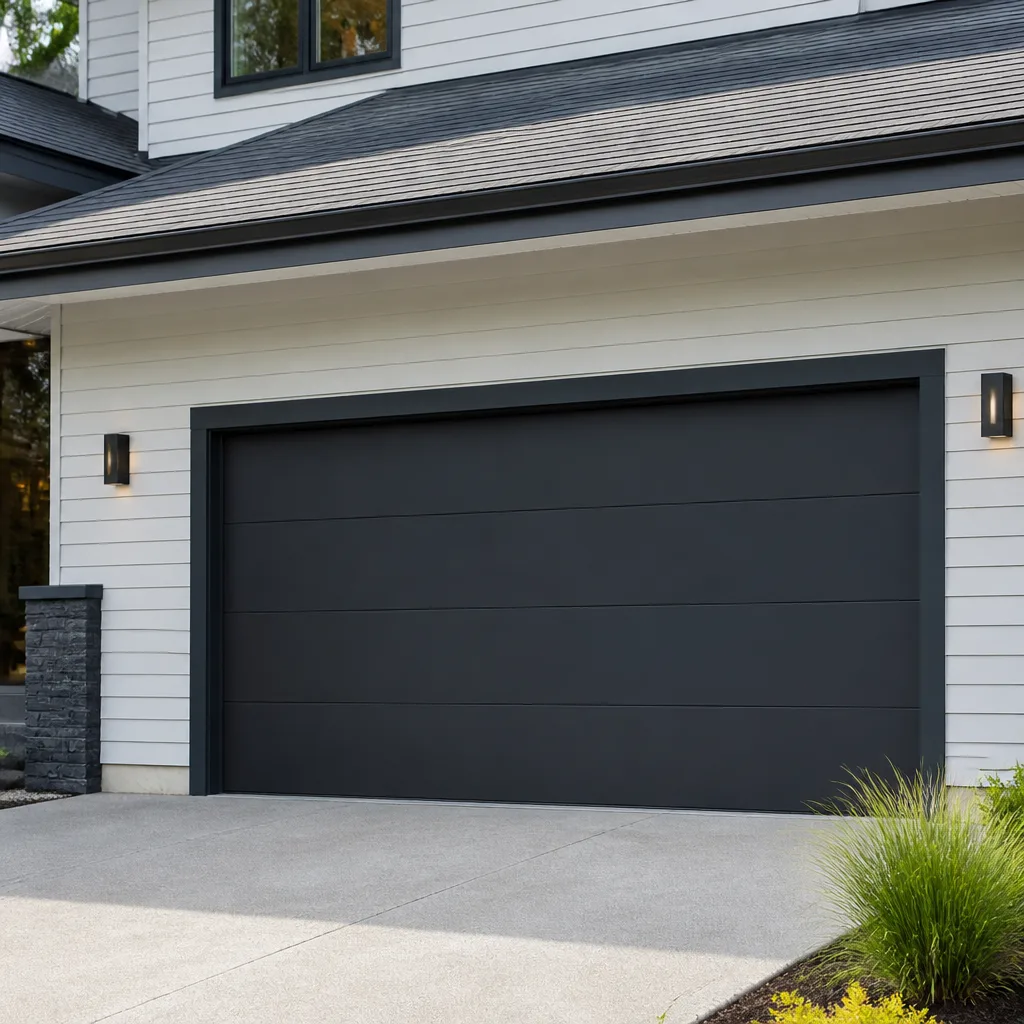 Modern flush
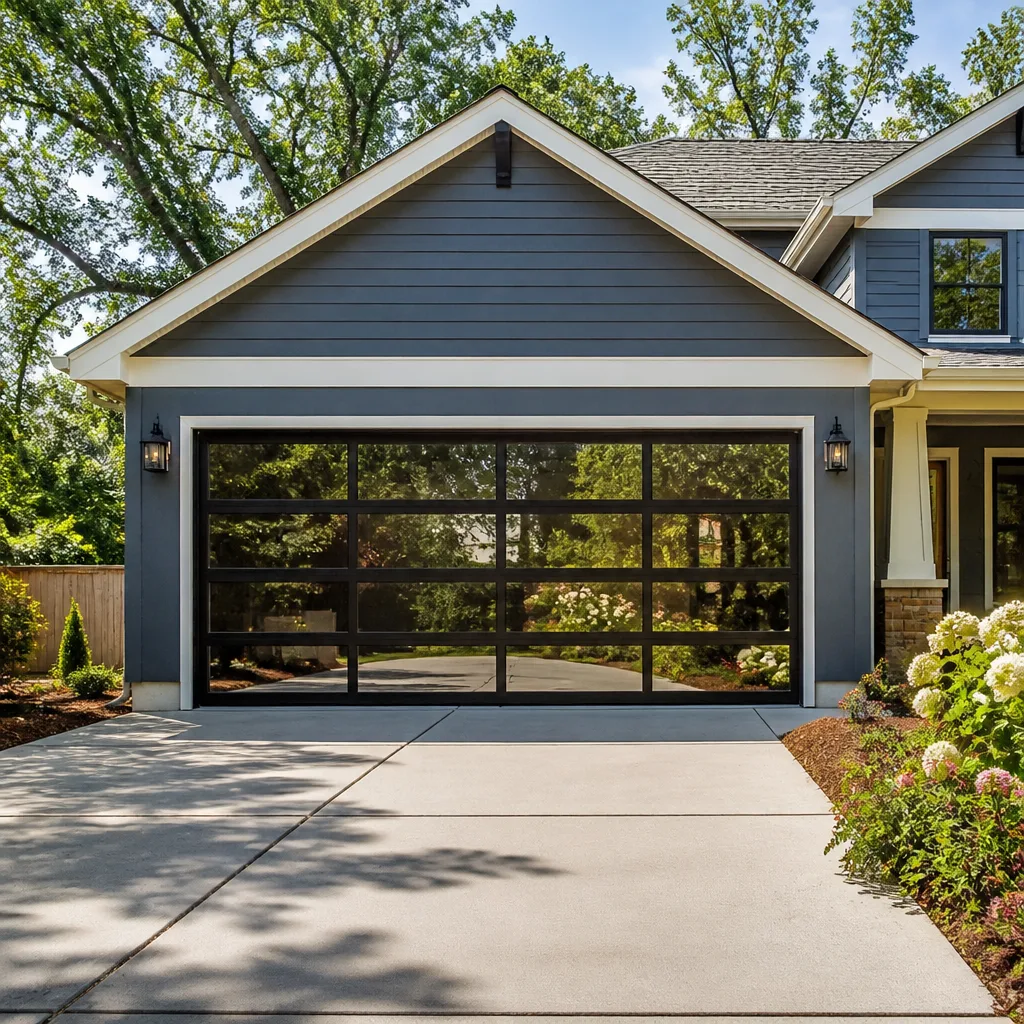 Full-view glass
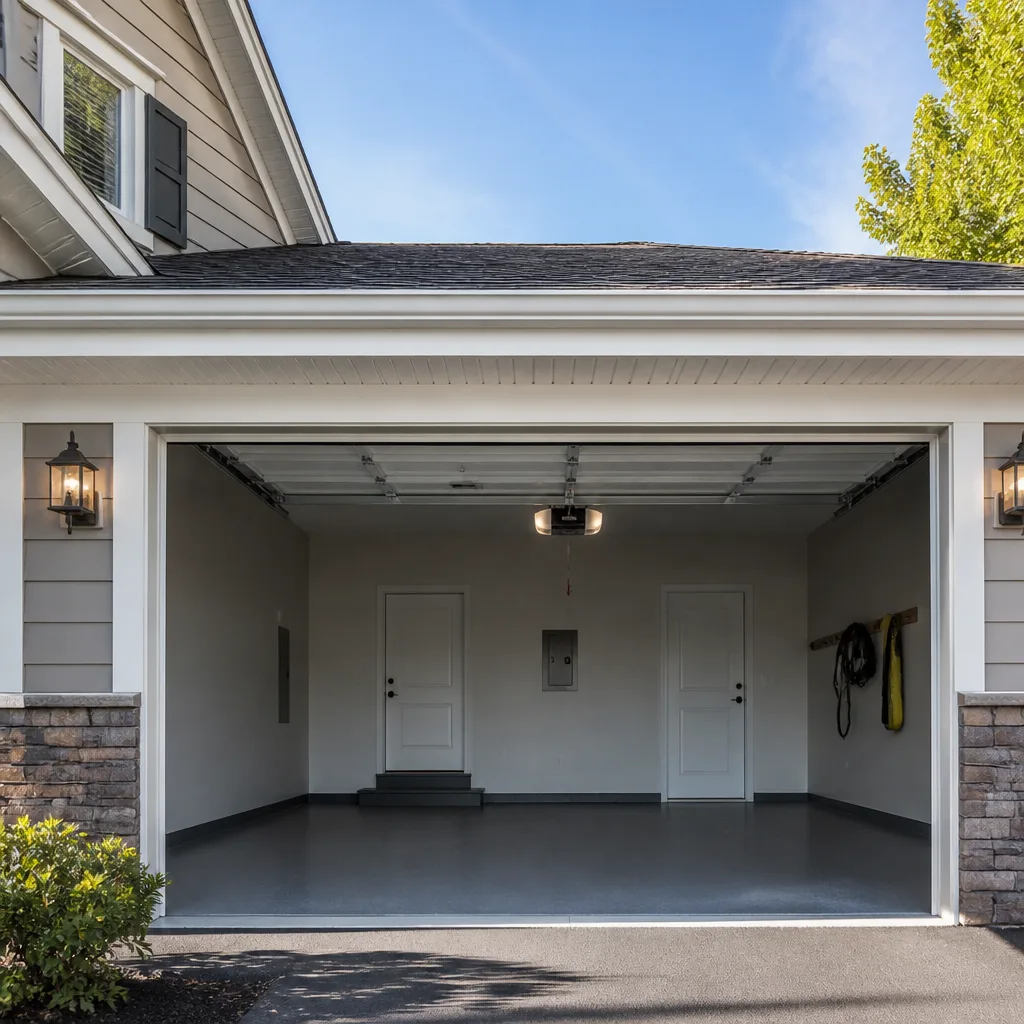 LiftMaster openers
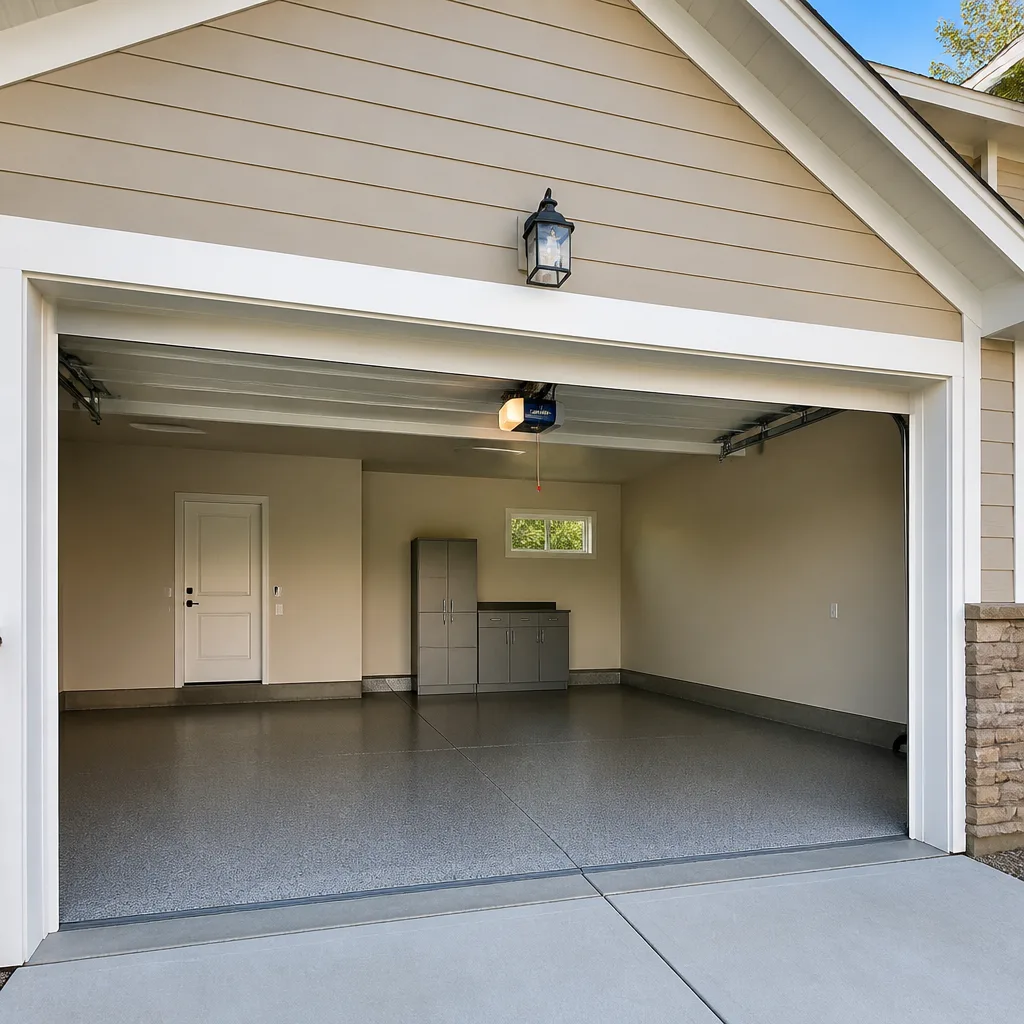 Chamberlain openers
Full 25-point door and opener safety check with every visit - springs, cables, rollers, tracks, and your LiftMaster or Chamberlain opener included
You get a price before we start. It does not change when the pro arrives.
Get your free estimateGarage Door Warning Signs: A Wichita Falls Homeowner’s Reference Guide
By the time a torsion spring snaps, it had been warning you for weeks. Most homeowners just didn’t know what they were hearing. That low grinding sound, the door that lurches at one corner, the opener remote you have to hold down a little longer than you used to – these aren’t random. They’re the early signals of a system telling you something is wearing out, and they usually show up 60 to 90 days before the door stops working altogether. That window matters, because a repair in that window is almost always cheaper than a replacement after a failure. This guide walks through the warning signs we see most often in Wichita Falls, what each one points to, and how to tell a normal sound from a failing part.
Quick Answer
The most reliable garage door warning signs are a door that moves unevenly or jerks, grinding or squealing noises that weren’t there six months ago, a door that reverses on its own before it touches the floor, and visible rust or a gap along the bottom seal. Catching these early in Wichita Falls, where wet winters and long summer heat work on springs and seals, usually means a repair rather than a full replacement. If the door still opens but the sound has changed, that is the moment worth acting on.
Styles & brands we work with
- Raised-panel steel
- Carriage house
- Modern flush
- Full-view glass
- LiftMaster openers
- Chamberlain openers
Table of Contents
- Normal Noise vs. Failing Noise: What Each Sound Tells You
- Uneven Movement: The Visual Check That Catches Problems Early
- Why a Door That Reverses Is a Safety Problem, Not a Fluke
- What Response Lag in Your Opener Really Means
- Wichita Falls-Specific Warning Signs: Rust and Seal Gaps
- How the Signs Differ by Brand
- Springs, Cables, and Why This Is Not a DIY Job
- Common Mistakes to Avoid
Normal Noise vs. Failing Noise: What Each Sound Tells You
Every garage door makes noise. That part isn’t negotiable – metal tracks rolling under metal rollers, panels flexing, an opener chain pulling under load. In a healthy system, the noise stays steady year to year. The useful skill isn’t listening for silence. It’s noticing when the sound changes.
Here’s how to separate the two, based on what we’ve seen on doors across Wichita Falls:
- Steady low hum from the opener: normal. The motor is working and the gear box is fine.
- A grinding or scraping that sounds like the door is dragging on something: worn rollers or a track that has shifted out of alignment. This one usually gets worse fast.
- A high squeal or squeak when the door starts moving: dry hinges or rollers. It’s the earliest and cheapest thing to fix.
- A loud bang, followed by the door not opening: this is the spring. It has already failed.
- A rattle that appears in one spot and then travels: loose hardware, or a panel that has started to separate from its hinge.
The grinding sound is the one worth taking seriously right away. A dragging door puts extra load on the opener motor, and an opener that’s being forced to work harder than it was built for tends to fail within months. A squeak you can fix with lubrication. A grind you cannot.
If you can’t tell which of these you’re hearing, that’s a fair reason to have someone look. Garage door repair people hear these sounds all week and can usually tell what it is within a minute of watching the door cycle. Our technicians have up to 10 years of experience, and they know the difference between a roller that needs greasing and a track that needs realigning.
Uneven Movement: The Visual Check That Catches Problems Early
Here is the single check we’d recommend every homeowner in Wichita Falls do once a month: stand back and watch the whole door as it opens. Not the bottom, the whole thing. What you’re looking for is whether the door rises in a straight, even line or whether one side pulls ahead of the other.
A door that’s moving correctly looks almost boring. It rises smoothly, stops at the same height every time, and drops back down in level. A door with a developing problem does the opposite:
- One corner reaches the top before the other.
- The door shudders or stutters as it moves up.
- A gap appears between one side of the door and the ground when closed.
- The door sits lower on one side than the other in the closed position.
Uneven movement almost always traces back to one of two things: a cable that has started to stretch or slip off its drum, or a spring that’s lost tension on one side of a two-spring system. In either case, the door is no longer balanced, and the opener is now dragging one side of the door harder than the other. That kind of load wears out the opener’s motor faster than anything else.
- Stand at the center of the door opening and look straight at the bottom edge.
- Raise the door halfway and stop it. Look at the gap on each side of the door panel against the track.
- Run the door all the way up and watch whether the top edge stays level with the header.
- Run it all the way down and check whether the seal touches the floor evenly on both sides.
If you notice unevenness at any of those four checkpoints, don’t adjust the door yourself. A cable under tension holds a serious amount of stored energy, and it can fail without warning. This is the moment to get a professional out to look at it.
Why a Door That Reverses Is a Safety Problem, Not a Fluke
A door that goes back up before it touches the floor hasn’t “just done that once.” It is telling you, clearly, that the force-limit setting or the safety sensor is misreading. And that misreading can hurt someone – a child, a pet, a car – if the door ever fails to reverse when it actually should.
There are two systems working behind a door that reverses unexpectedly:
- The safety sensors at the bottom of the tracks. These are the paired lenses, one on each side, about six inches off the floor. If they’re out of alignment, dirty, or blocked by something small, the opener reads “obstruction” and sends the door back up. In Wichita Falls, we see this most often from sun glare across the sensor lens on a west-facing door in the afternoon, and from dust or cobwebs settling on the lens over time.
- The force-limit setting on the opener. This is the amount of resistance the opener allows before it decides something is in the way. If it’s set too tight, it will reverse on a slight track bump. If it’s set too loose, it won’t reverse at all when it should. Both are wrong, and both are worth correcting.
The force limit is set with a small adjustment on the opener unit, but getting it right requires knowing what the door should feel like under load, which is why it’s easy to get wrong when you’re adjusting it blind. On a LiftMaster or Chamberlain unit – two of the most common openers in Wichita Falls – the adjustment dials are inside the light cover, and homeowners often turn them the wrong direction thinking they’re fixing the sensor.
Here’s the test to run: with the door fully open and the sensors aligned, wave a broom handle through the sensor beam. The door should reverse. If it doesn’t, or if it reverses when the beam isn’t broken, the system is out of adjustment. That’s a safety problem and shouldn’t wait. If you’re not sure what’s causing it, garage door opener repair covers both sensor alignment and force-limit correction, and it’s usually sorted out in a single visit.
What Response Lag in Your Opener Really Means
When you press the button and the door responds a second later than it used to, that small delay is worth paying attention to. It usually points to one of two places: a worn motor, or a failing logic board. The way the delay behaves tells you which.
- Motor wear: the delay is most noticeable when the door is heaviest – on a cold morning, or when the door is loaded with a little more weight than usual. The motor runs a beat longer than it should, or sounds labored. The gears inside the opener wear down over years of use, and the drive gear – often a plastic gear that meshes with a metal worm gear – is usually the first part to show wear.
- Logic board issues: the delay is inconsistent. Sometimes the door responds instantly, sometimes there’s a pause, sometimes a button press doesn’t register at all. Lights on the opener might flicker or behave oddly. This is the electronic brain of the opener, not the mechanical part, and it can fail independently of motor condition.
The distinction matters because it changes the fix. Motor or gear wear is often addressed with a repair to the opener. Logic board failure usually means the opener itself is due for replacement, especially on units getting toward the end of their useful life. On a Genie or a Raynor opener, the diagnosis comes down to listening for gear noise and checking whether the logic light behaves consistently.
One thing worth knowing: a lagging opener is also sometimes not the opener’s fault at all. A door that’s out of balance drags the motor down, making it seem like the opener is losing power when really the door has become too heavy for it to lift at full speed. That’s why the technician checks the door first. The opener and the door are one system, and the lag can come from either side.
Wichita Falls-Specific Warning Signs: Rust and Seal Gaps
Some warning signs show up because of the local weather, and in this part of North Texas, that means two seasons working on your door in completely different ways.
Rust on the springs and cables after wet winters. Wichita Falls gets its share of wet weather in the cooler months, and a garage that isn’t perfectly sealed will pull in moisture from the driveway or come in with the car after a wet day. Springs and cables are the parts most exposed to that moisture, and they’re the parts most likely to rust because they carry a light oil film from the factory that wears off over time. Rust on a spring isn’t cosmetic. Rust weakens the steel, and a weakened spring is much closer to a snap than an unrusted one. Check the springs twice a year – look for any orange or brown discoloration on the coils. If the springs look rusty, they’re closer to failing than you’d think.
Seal gaps from summer panel expansion. Long summer heat in Wichita Falls causes the aluminum or steel panels of a garage door to expand very slightly, and it also causes the rubber seal along the bottom to lose some of its flexibility. Over a season or two, the combination shows up as a visible gap between the seal and the concrete floor, or a seal that has grown stiff and no longer makes contact. A gap along the bottom is more than an annoyance – it lets in dirt, water runoff from the driveway, and hot air, and it’s one of the early signs that a door no longer sits the way it did when it was installed. Run the door down and look along the bottom edge. If you can see daylight or feel air coming through when the door is closed, the seal needs attention.
If either of those sounds familiar, it’s worth having someone look at it before the problem grows. We work on the brand you already have, so whether your door is a Clopay steel model or a wood-paneled Amarr, the diagnosis starts from what’s on your door, not what we’d rather be installing.
How the Signs Differ by Brand
One thing most warning sign guides skip: different brands fail in slightly different ways, and knowing what your door or opener tends to do can help you catch the problem earlier.
Opener brands. LiftMaster and Chamberlain units share a lot of internal design, so their most common failure modes are similar – worn drive gears and logic board wear after heavy use. Genie openers tend to have more issues with the safety sensor wiring and the remote receiver over time. Raynor openers, less common but solid, tend to wear well mechanically and show their age mostly in the logic and remote control side.
Door brands. Clopay and Amarr steel doors usually wear evenly, with the warning signs concentrated in the springs, rollers, and hinges rather than the panels themselves. Wayne Dalton doors have some models with distinctive roller and hinge setups where wear can look different from a more conventional door. Craftsman is a common opener brand in this area – it’s the same basic design as the Chamberlain family – and it typically shows opener wear through gear noise and remote range the same way.
We work across 8 of the most widely owned brands – LiftMaster, Chamberlain, Genie, Clopay, Amarr, Wayne Dalton, Craftsman, and Raynor – so if your system is one of those, the technician knows what to look for before they arrive.
Springs, Cables, and Why This Is Not a DIY Job
We’ve spent most of this guide telling you to watch for signs and act early. Now we’re going to tell you, plainly, not to act on the springs and cables yourself. This is the one part of the garage door where the risk of injury is real.
Torsion springs – the horizontal springs mounted on the shaft above the door – hold a large amount of stored energy, and that energy is what’s released when a spring snaps. Extension springs along the sides of the door carry similar tension. Cables on the door hold that tension too. If you try to loosen, adjust, or remove a spring or cable without the right tools and the right training, you can be badly hurt, and the door can drop without warning. A trained professional has the specific winding bars, the knowledge of how many turns the spring should be set to, and the judgment to handle the system safely.
The same goes for anything you’d have to reach above the door to touch. We recommend that whenever you’re checking the door, you do it with the door in the fully closed position and the opener disconnected from the door, so neither the door nor the motor can move unexpectedly while you’re looking. Everything above the door surface – springs, cables, the shaft – is the technician’s territory, and the inspection is better left to them.
Common Mistakes to Avoid
Here are the mistakes we see most often, and each one makes the eventual repair harder or more expensive.
- Waiting for the spring to break instead of checking it. A rusty or weakening spring gives warning signs for weeks, and a replacement before failure is a much simpler job than a repair after the door has dropped.
- Lubricating the wrong parts. Lubricating the tracks is a common mistake – the tracks are meant to be clean and dry, and putting oil on them picks up grit and makes the door drag rather than helping it. Lubricate the hinges and rollers, not the tracks.
- Adjusting the force limit to “fix” a reversing door. Turning up the force limit on the opener to stop the reversing is the wrong fix – it makes the safety system less sensitive, not more accurate. The right fix is finding why the door is reversing.
- Ignoring a door that’s become heavier. If the door feels heavier to lift by hand than it used to, that’s a balance problem, and the opener is working harder than it should. It’s usually cheaper to fix the balance than to replace the opener it wears out.
- Assuming a quiet door is a healthy door. On a very well-lubricated opener, gear wear can be quieter than on a dry one, so the noise level alone doesn’t tell you the condition. Watch the movement, not just the sound.
- Skipping the monthly visual check. All the signs in this guide are easy to catch when you look once a month. The doors that fail unexpectedly are usually the ones nobody’s looked at in a year.
- Calling a generalist for a garage door problem. A handyman with garage doors as a side service is guessing at the diagnosis. A specialist knows the brand and the failure mode, so you get the right fix the first time.
See the difference
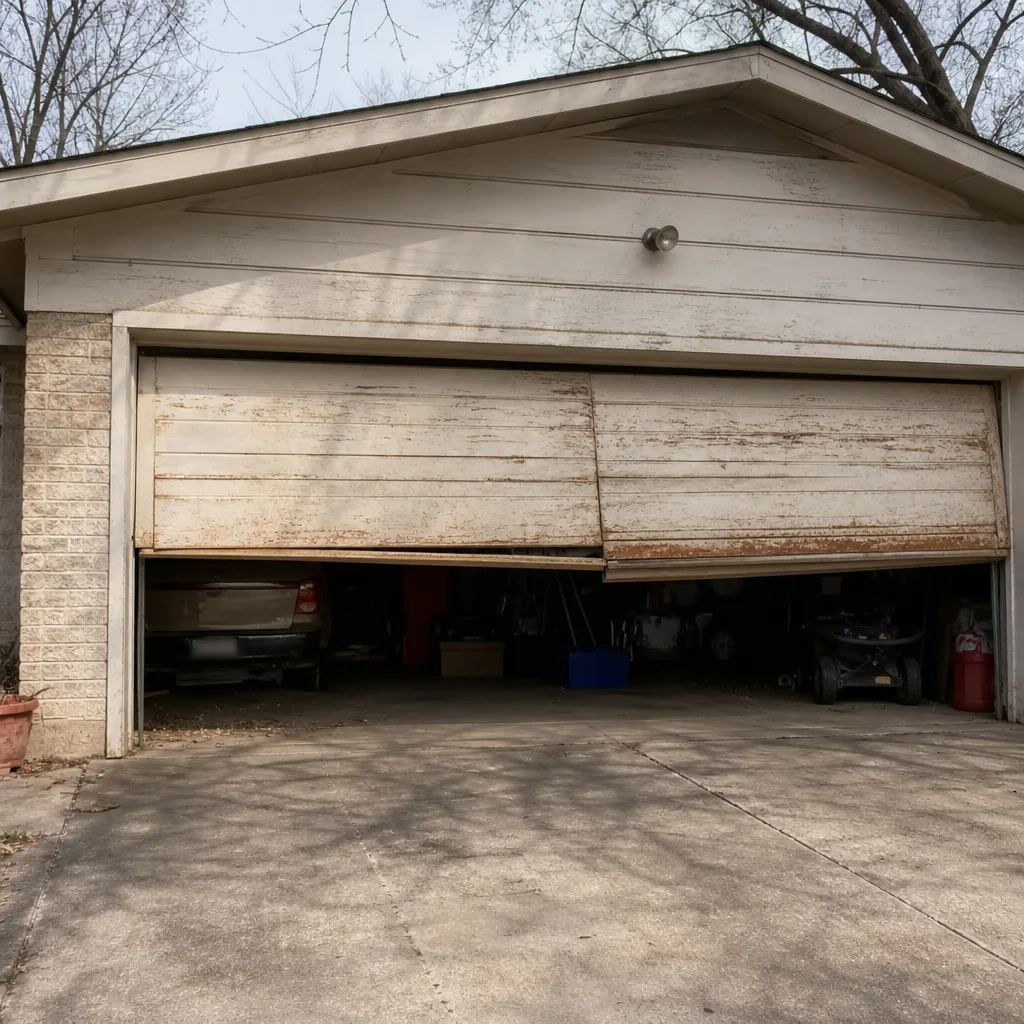 Before
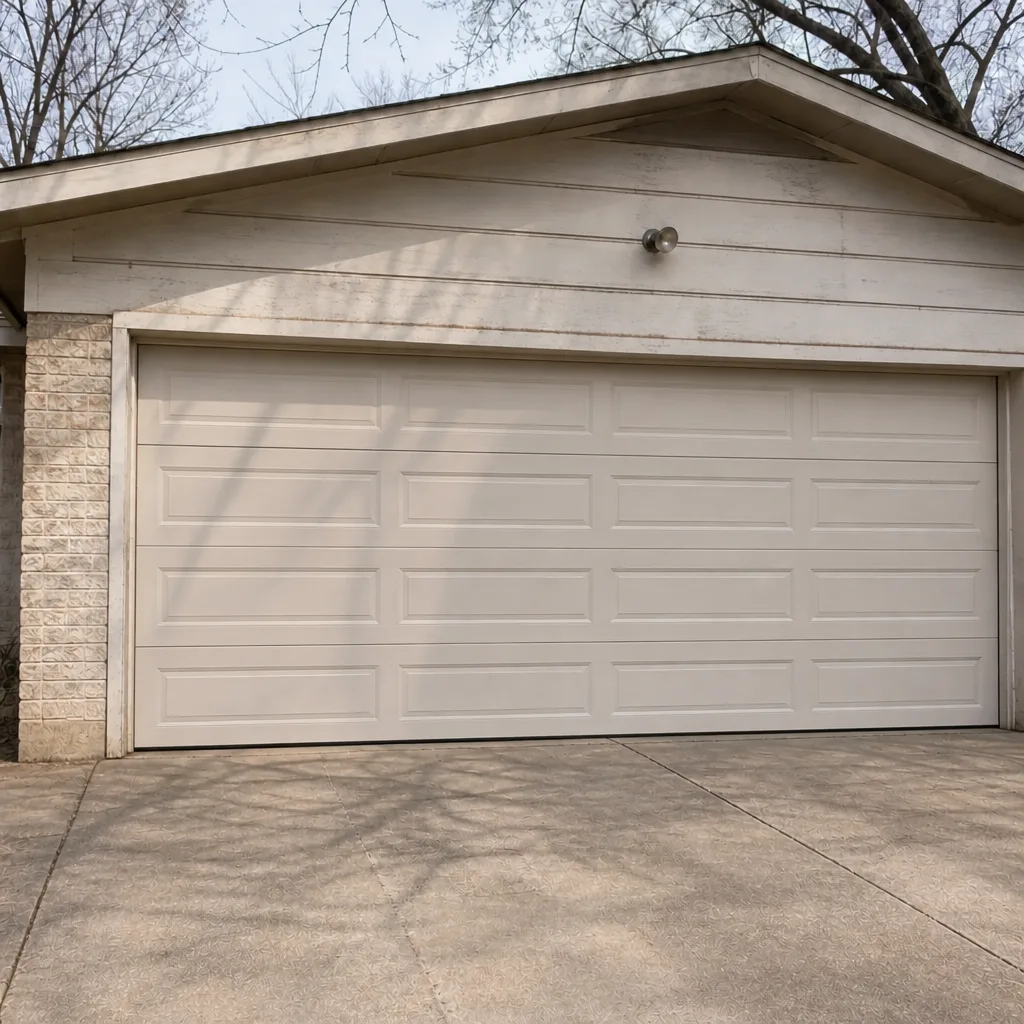 After
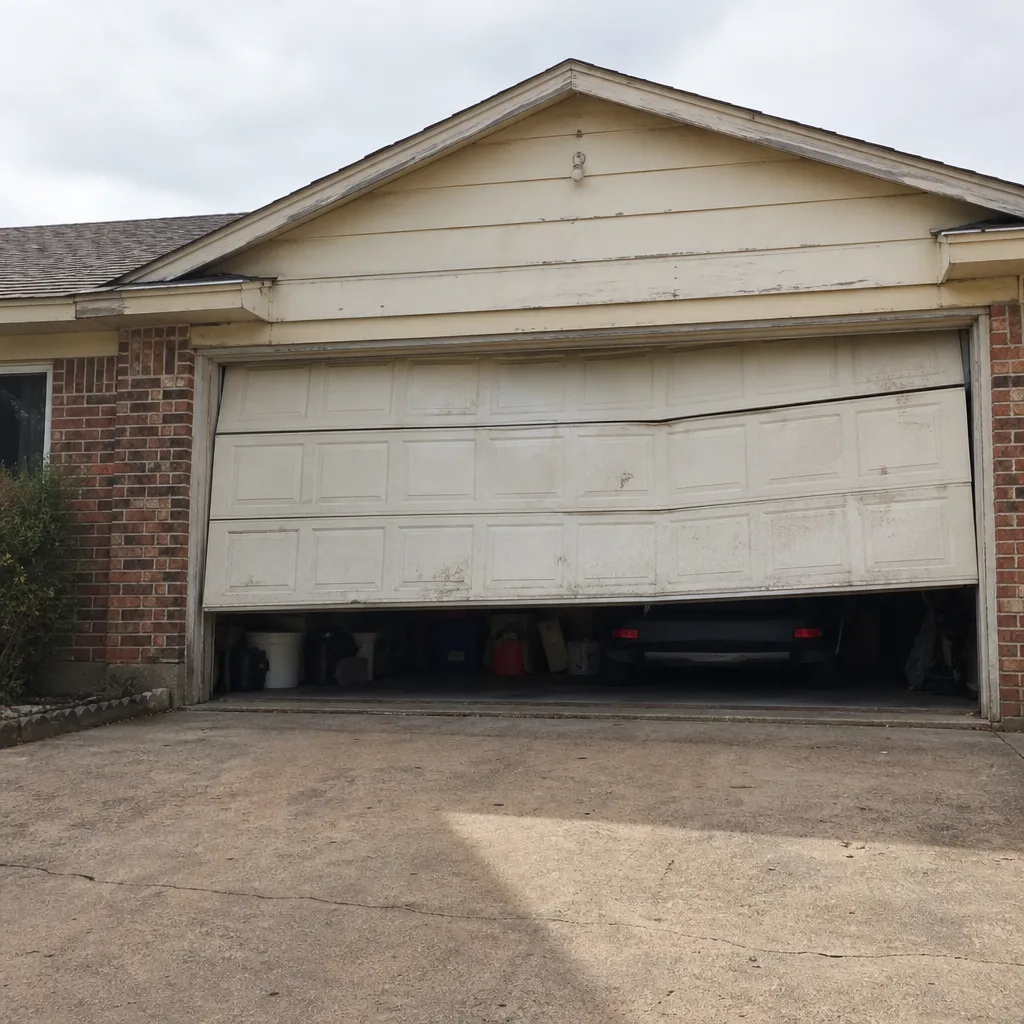 Before
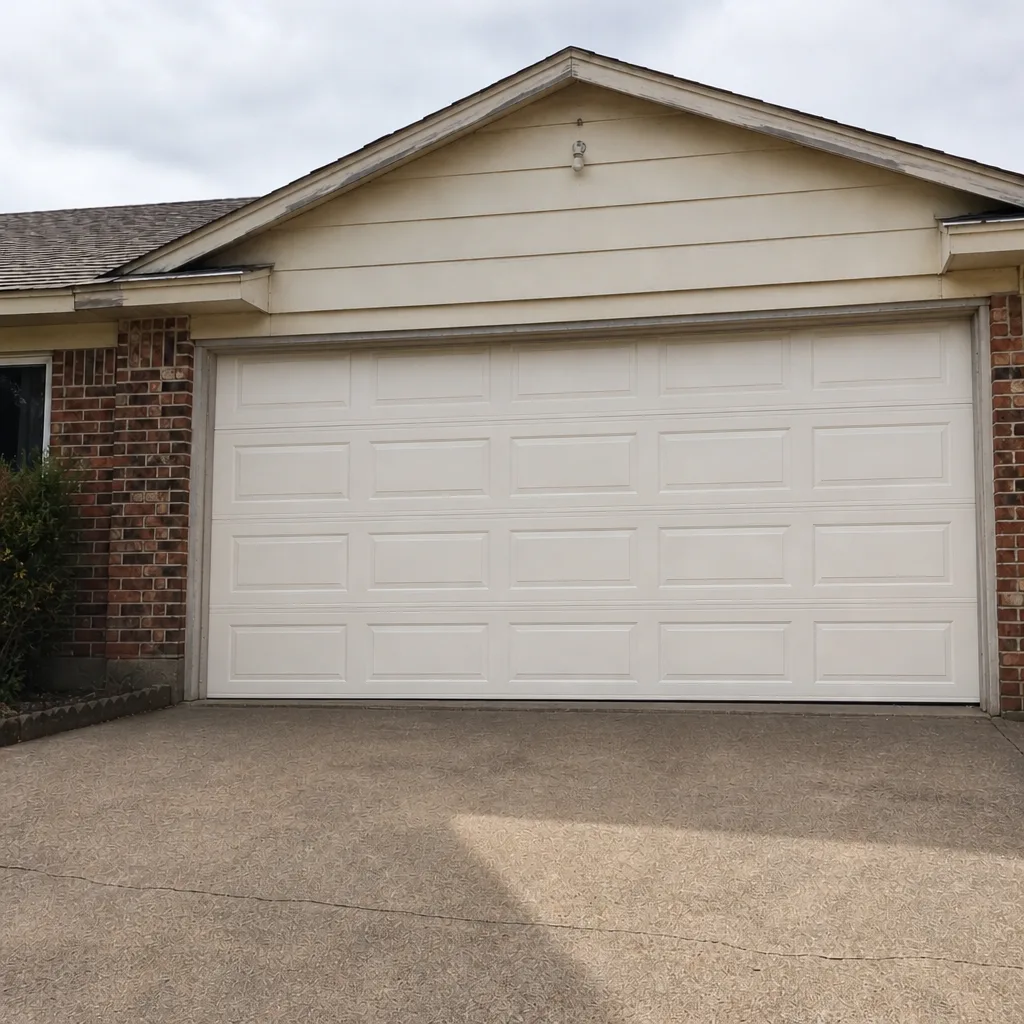 After
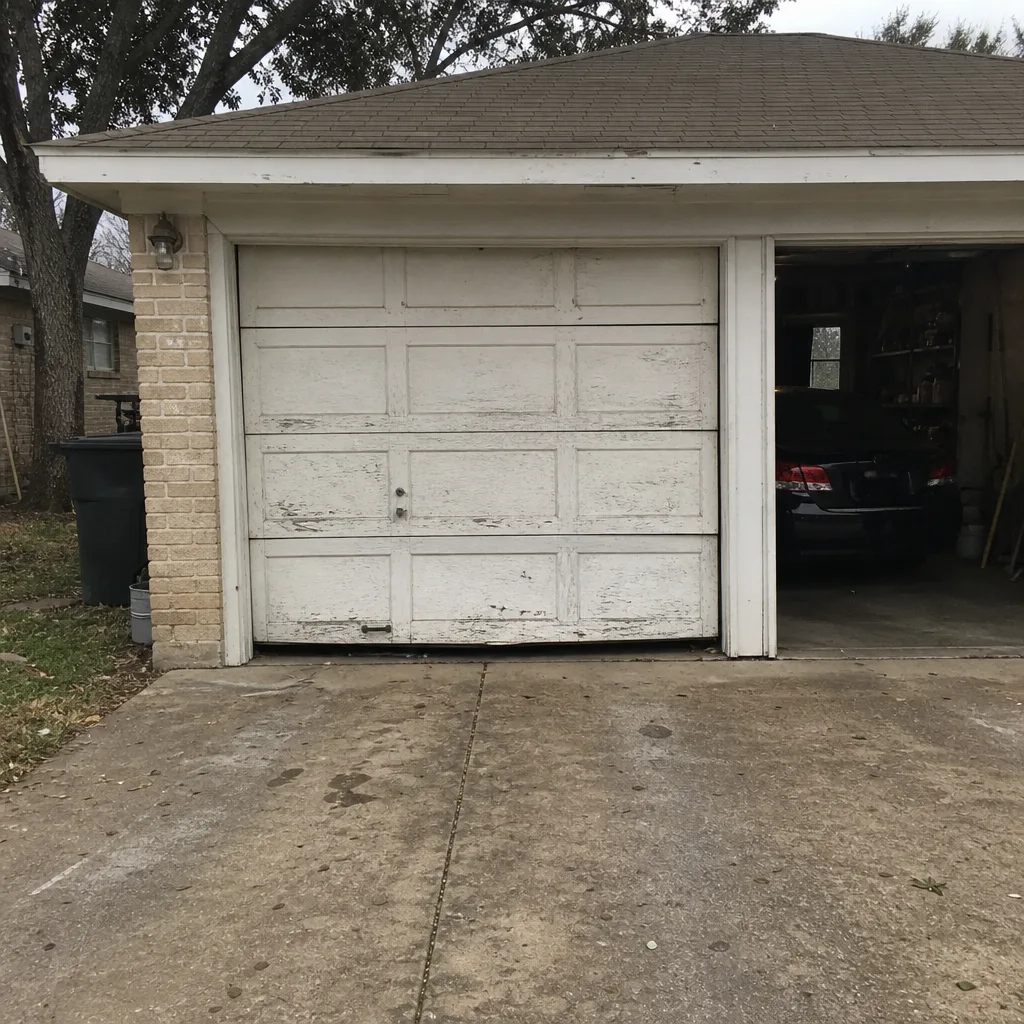 Before
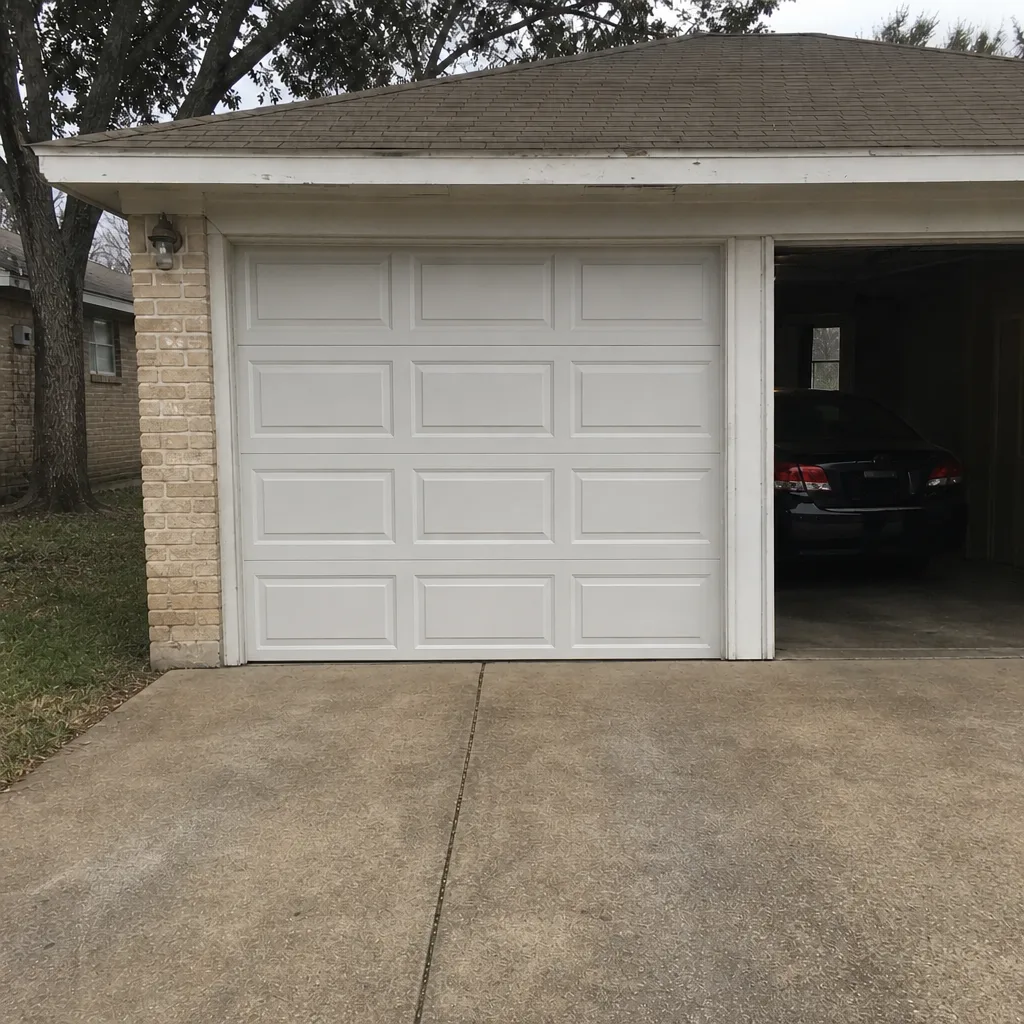 After
When to Call a Professional
Call a professional if any of these are true: the door is moving unevenly or lurching, you hear grinding or scraping during operation, the door reverses before it touches the floor, a spring has visible rust, you can see daylight through the bottom seal when the door is closed, or the opener responds inconsistently to the button. Those are the situations where waiting turns a repair into a replacement, and in the case of springs and cables, waiting means handling something that shouldn’t be handled without training. Hayden Garage Door Repair offers free estimates in Wichita Falls, and the price is quoted and agreed before any work starts. Hayden Garage Door Repair covers repair, opener service, and installation under one company, so whether it’s the door, the opener, or both, it’s one call. Reach us at (844) 524-5488 to get an estimate.
Frequently Asked Questions
Uneven movement is the most common early sign – one corner of the door rising ahead of the other, or the door sitting lower on one side when closed. It usually traces back to a cable or a spring losing tension, and catching it early keeps the repair to a single component rather than a full replacement. Call (844) 524-5488 for an estimate if you see it.
Yes, a change in sound is worth getting checked, especially if it’s a grinding or scraping noise rather than a light squeak. The sound change usually points to worn rollers, a shifted track, or loosening hardware, all of which are cheaper to fix early. Call (844) 524-5488 – estimates are free.
A door that reverses before touching the floor has either misaligned safety sensors or a force-limit setting that’s out of adjustment. Both are safety issues, not a fluke, and both should be corrected before the door is used again. Call (844) 524-5488 to have the sensors and force limit checked.
No – raising the force limit makes the door less likely to reverse when something is actually in the way, which defeats the purpose of the safety system. The right fix is finding out why the door is reversing, whether that’s sensor alignment, a track obstruction, or a door that’s become unbalanced. Call (844) 524-5488 for a diagnosis.
Once a month for the quick visual checks – watching the door move, checking the bottom seal, and looking at the springs – and twice a year for a closer look at the springs and cables, particularly coming out of the wet season. That’s usually enough to catch the early signs before they become failures. Call (844) 524-5488 if you’d rather have someone check it for you.
No. Torsion and extension springs hold serious stored energy, and adjusting or removing them without the right tools and training can cause serious injury. Springs and cables are the one part of the garage door system that should always be handled by a trained professional. Call (844) 524-5488 for any spring-related issue.
The Bottom Line
The garage door failures that seem sudden rarely are. A spring that snaps, an opener that quits, a door that drops – each one had been signaling for weeks or months, and in most cases the signal was visible in the movement, audible in the sound, or obvious in the hardware. In Wichita Falls, the wet winters and hot summers add their own two signs to watch: spring rust and seal gaps from panel expansion. Do the monthly visual check, listen for any change in noise, and act on it while the fix is still small. That’s the whole point of this guide – not to make you an expert, but to help you catch the problem when a repair is still cheaper than a replacement. If something looks off on your door, garage door repair is the place to start, and our technicians have up to 10 years of experience across the brands most homeowners actually own. Call (844) 524-5488 for a free estimate. We answer 24/7. Fast dispatch from 7am to 7pm, Sunday through Friday.
Written by the team at Hayden Garage Door Repair.